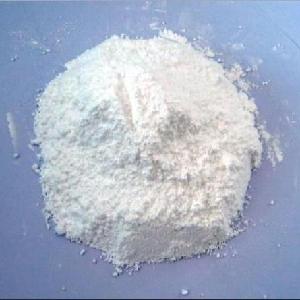
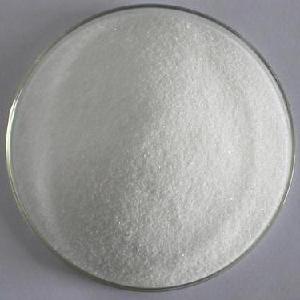
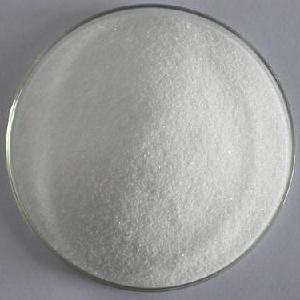
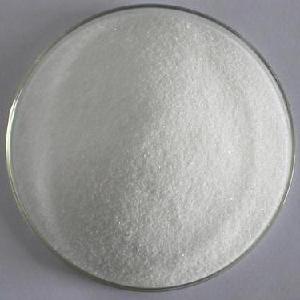
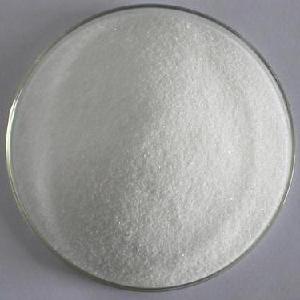
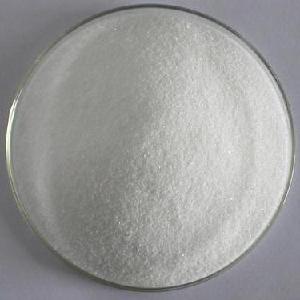
Glycine
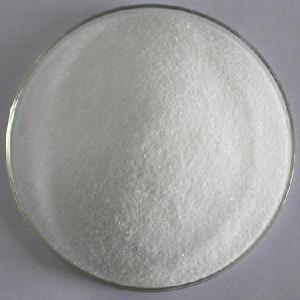
In the field of biological research and laboratories, glycine is one of the most commonly used biochemical reagents. It is the basic monomer for protein and polypeptide synthesis, and is also a key component in preparing electrophoresis buffers, eluents, and lysis solutions. In experiments such as immunohistochemistry, protein blotting, and chromatographic analysis, glycine is often used for elution, blocking, and reaction termination. It is a fundamental reagent necessary for molecular biology, biochemistry, and cell biology laboratories.
Glycine has extended from a basic life substance to almost all important fields such as food, medicine, breeding, industry, and research, and is a key essential amino acid that supports modern industry, agriculture, and health industries.
Other supplier products
|
|
Transport method of Inositol |
Transport Method of Inositol 1. Basic transport properties Inositol is a stable, non-toxic, non-flammable and non-explosive white crystalline powde... |
|
|
DL-Alanine Powder |
Special Notes for Different Grades (Food-Grade vs. Industrial-Grade) Food-grade DL-Alanine: Strictly follow food safety storage standards (e.g., co... |
|
|
Fish collagen peptides |
Fish collagen peptides are a type of protein derivative obtained from fish. Here are the main aspects about them:
Source: They are mainly extract... |
|
|
In functional foods and health supplements |
Inositol is a core active ingredient in functional foods and health supplements. As a special vitamin‑like substance, it regulates human glucose an... |
|
|
L-Cysteine hydrochloride monohydrate |
Packaging Requirements1. Primary PackagingSealable Bags/Bottles: Use hermetically sealed bags (e.g., foil-lined packages) or airtight bottles with ... |
供应产品
Same products
|
|
Glycine |
卖方: Shanghai Yifu Food Ingredients Co., Ltd |
Glycine is a non-essential amino acid naturally present in the human body and is also a substance... |
|
|
Glycine |
卖方: Shanghai Yifu Food Ingredients Co., Ltd |
Glycine is an endogenous amino acid in the human body and a fundamental component of proteins. It... |
|
|
Glycine |
卖方: Shanghai Yifu Food Ingredients Co., Ltd |
Glycine is a food-grade amino acid approved by the state. Due to its high safety, sweet taste, an... |
|
|
Glycine |
卖方: Shanghai Yifu Food Ingredients Co., Ltd |
Glycine has three reaction centers: amino group, carboxyl group, and methylene group. It has typi... |
|
|
Glycine Supply price |
卖方: Shanghai Yifu Food Ingredients Co., Ltd |
Physical properties of glycine1. Appearance and OdorAt room temperature, it is a white crystallin... |