

Benzene Melamine Resin

Introduction to Benzene Melamine Resin (BMR)
Benzene melamine resin is a thermosetting polymer synthesized from melamine and formaldehyde, modified with benzene derivatives to enhance thermal stability and chemical resistance. It is widely used in high-performance coatings, adhesives, and molded components due to its hardness, durability, and flame-retardant properties.
Key Properties and Applications
| Property | Description |
|---|---|
| Chemical Name | Benzene-modified melamine-formaldehyde resin |
| CAS No. | Varies by formulation (e.g., 9003-08-1 for melamine-formaldehyde base) |
| Molecular Structure | Cross-linked thermoset with benzene rings |
| Appearance | White powder or translucent solid |
| Density | ~1.5 g/cm³ |
| Decomposition Temp. | >300°C (572°F) |
| Solubility | Insoluble in water; soluble in polar solvents (e.g., DMF) before curing |
| Flame Resistance | Self-extinguishing (UL94 V-0 rating possible) |
| Application | Use Case |
|---|---|
| Coatings | High-gloss, scratch-resistant finishes for automotive/appliances. |
| Adhesives | Structural adhesives for wood/laminate bonding (enhanced water resistance). |
| Molded Plastics | Electrical components (e.g., switch housings) due to dielectric properties. |
| Textile Finishing | Flame-retardant fabric treatment. |
| Paper Coatings | Wet-strength additive for packaging. |
Advantages
Superior heat resistance vs. standard melamine resins.
Excellent UV and chemical stability.
Low formaldehyde emission (with advanced formulations).
Safety & Handling
| Parameter | Value |
|---|---|
| Thermal Stability | Stable up to 250°C (482°F) |
| Toxicity | Low post-cure; uncured resin may release formaldehyde. |
| Storage | Dry, cool conditions (avoid moisture). |
Benzene Melamine Resin, also known as phenylated melamine resin, is a specialized thermosetting polymer derived from melamine-formaldehyde resin through the incorporation of phenyl groups. This modification enhances its thermal stability, chemical resistance, and compatibility with various substrates, making it a valuable material in high-performance applications. It is widely used in coatings, adhesives, and composite materials where durability and functionality are critical.
Chemical Structure and Synthesis
Benzene melamine resin is synthesized by reacting melamine with formaldehyde to form hydroxymethylmelamine intermediates, followed by the introduction of phenyl groups. These phenyl groups are typically added through etherification or condensation reactions using phenol or benzyl alcohol. The resulting resin retains the triazine ring structure of melamine but gains improved properties due to the hydrophobic and sterically bulky phenyl groups. The degree of phenyl substitution can be adjusted to tailor the resin for specific applications.
Key Properties
- Thermal Stability: The phenyl groups enhance the resin’s resistance to high temperatures, making it suitable for applications requiring heat resistance up to 250–300°C.
- Chemical Resistance: It exhibits excellent resistance to acids, alkalis, and solvents, outperforming conventional melamine resins.
- Low Water Absorption: The hydrophobic nature of phenyl groups reduces moisture uptake, ensuring dimensional stability in humid environments.
- Curing Efficiency: It cures rapidly at elevated temperatures, forming a hard, durable network with strong adhesion to substrates like metals, plastics, and wood.
Applications
- Coatings: Used as a crosslinking agent in automotive, industrial, and powder coatings, providing high gloss, scratch resistance, and UV stability.
- Adhesives: Enhances water resistance in wood composites and decorative laminates.
- Electronics: Employed in encapsulation materials and molding compounds for its insulating properties and thermal endurance.
- Textiles and Inks: Improves wrinkle resistance in fabrics and adhesion in printing inks.
Advantages and Limitations
Advantages: Superior heat and chemical resistance, low formaldehyde emissions, and versatile compatibility.
Limitations: Higher cost than standard melamine resins and reliance on precise curing conditions.
在线联系供应商
Other supplier products
 |
Art Supplies Coloring | Introduction The series of educational and artistic colorants excels in washability on skin and fabrics. They boast a wide spectrum of radiant... |
 |
77PD (4030) CAS 3081-14-9 N, N’- bis-(1,4- Dimethylpentyl)-p-Phenylenediamine | Introduction Chemical Name:N, N’- bis-(1,4- Dimethylpentyl)-p-Phenylenediamine CAS NO.:3081-14-9 Product Specification: Appearance ... |
 |
Rheology modifier STD-9020 | Introduction Composition: Polyamide wax dispersion Appearance: light yellow paste Active ingredient: 20% Solvent: Mixed aromatic hydrocarbons ... |
 |
Benzyl Chloride CAS 100-44-7 | Introduction Properties and Applications 1.1 Molecular formula, Molecular weight, Structural formula and CAS No. Molecular formula: C7H7Cl Mole... |
 |
Camera adhesive | Introduction With the increasing demand for consumer electronics and the development of autonomous driving in automobiles, the demand for came... |
Same products
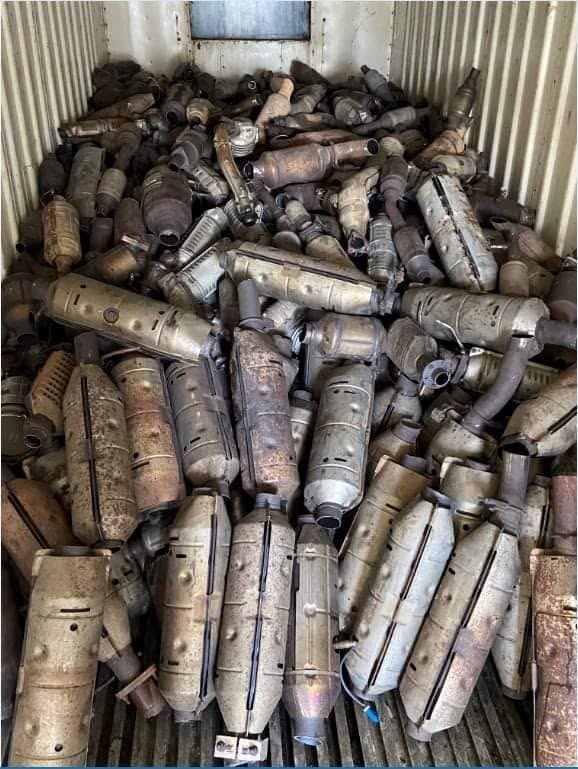 |
Catalytic Converter Scrap Supplier, Catalytic Converter Scrap for Sale, , Catalytic Converter Scrap, Catalytic Scrap for Sale, Catalytic Scrap Supplier, Scrap Catalytic Supplier | 卖方: Trucont LLC | Trucont LLC 持续供应催化转化器废料,可立即装运发货。我们为全球各地的回收公司、金属加工商、汽车回收商、废料贸易商和买家提供优质的催化转化器废料。我们的催化转化器废料经过精心收集、分类... |
 |
Natural cypress cat litter | 卖方: DALIAN ZZ INT'L TRADE CO.,LTD. | Natural cypress cat litter Eco-friendlyLightweightFlushableLow tracking and low dustWill not gro... |
 |
DTG ink for Brother Printhead | 卖方: Guangzhou SAVEN Technology Co., Ltd | DTG inkhas a strong fluency on the kinds of print head, it can be satisfied with the production d... |
 |
Direct to Garment (DTG) Pigment Ink DTG-100W | 卖方: Guangzhou SAVEN Technology Co., Ltd | DTG inks are a range of digital textile pigment inks. Direct to Garment pigment inks offer an eas... |
 |
Premium CMYK color DTF for Epson Printheads | 卖方: Guangzhou SAVEN Technology Co., Ltd | Unlock unmatched vibrancy with Premium CMYK DTF Ink. Engineered for professional Direct-to-Film p... |

