Glycine
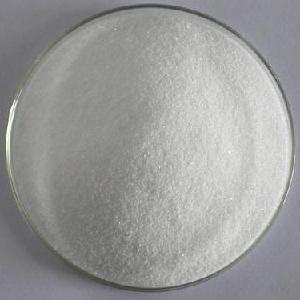
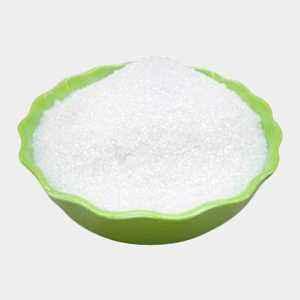
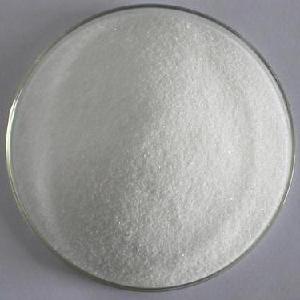
In the food and beverage industry, glycine is a legal and safe food additive, mainly used as a flavoring agent, flavor enhancer, buffer, and preservative. Due to its sweet taste, it can be combined with sodium glutamate and flavor nucleotides to enhance the flavor and moderate the saltiness, and is widely used in instant noodle seasonings, soy sauce, pickled products, meat products, and aquatic processed products. In the production of beverages and alcoholic beverages, glycine can regulate the taste, buffer acidity, reduce alcohol irritation, and protect the stomach. In canned and frozen foods, glycine can inhibit microbial reproduction, extend the shelf life, and at the same time maintain the color and taste of the ingredients, making it an efficient and safe quality improver in the food industry.
Other supplier products
|
|
D-Allulose |
Product Name: D-Allulose English name: D-Psicose Synonyms: Psicose, D- (8CI); D-Allulose; D-ribo-2-Hexulose Molecular Formula: C6H12O6 Molecular We... |
|
|
L-lysine monohydrochloride |
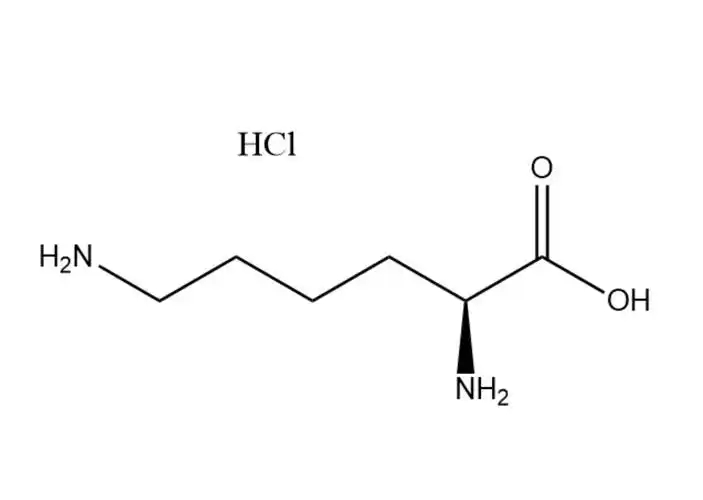
L-lysine monohydrochloride is one of the most stable amino acid salts in industrial applications, with excellent stability in solid form and good s... |
|
|
DL-Methionine |
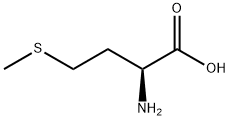
DL-Methionine has multiple coordination sites (amino nitrogen, carboxylate oxygen, and sulfur atom in the methylthio group), enabling it to form st... |
|
|
L-Methionine powder |
L-Methionine, as an essential sulfur-containing amino acid with diverse biological functions, has widespread applications across food nutrition, an... |
|
|
DL-Methionine |
Acid-Base Properties of DL-MethionineDL-Methionine is a neutral amino acid, and its acid-base behavior is derived from the amphoteric nature of the... |
供应产品
Same products
|
|
Glycine |
卖方: Shanghai Yifu Food Ingredients Co., Ltd |
Glycine is a non-essential amino acid naturally present in the human body and is also a substance... |
|
|
Glycine |
卖方: Shanghai Yifu Food Ingredients Co., Ltd |
Glycine is an endogenous amino acid in the human body and a fundamental component of proteins. It... |
|
|
Glycine |
卖方: Shanghai Yifu Food Ingredients Co., Ltd |
Glycine is a food-grade amino acid approved by the state. Due to its high safety, sweet taste, an... |
|
|
Glycine |
卖方: Shanghai Yifu Food Ingredients Co., Ltd |
Glycine has three reaction centers: amino group, carboxyl group, and methylene group. It has typi... |
|
|
Glycine Supply price |
卖方: Shanghai Yifu Food Ingredients Co., Ltd |
Physical properties of glycine1. Appearance and OdorAt room temperature, it is a white crystallin... |