L-Cystine dihydrochloride
Chemical Structure
- L‑cystine is formed by oxidative dimerization of two L‑cysteine molecules via a disulfide bond (‑S‑S‑).
- The dihydrochloride salt is formed by protonating the two amino groups with HCl, which dramatically improves water solubility.
Distinction from Related Compounds
- L‑Cystine dihydrochloride:Dimer, disulfide‑linked, high solubility, used for stable cysteine supply.
- L‑Cysteine hydrochloride:Monomer, reduced form, more reactive, used as a reducing agent.
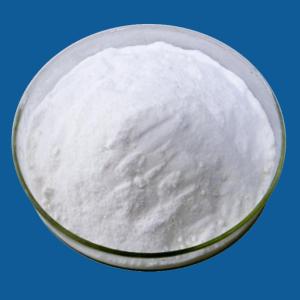
L‑Cystine dihydrochloride is a stable, highly soluble form of L‑cystine that provides a reliable source of cysteine for biological systems. Its unique properties make it indispensable in cell culture, bioproduction, and research.
Other supplier products
|
|
Phospho-L-Tyrosine Disodium Salt Marke quotation |
Phospho-L-Tyrosine Disodium Salt in Pharmaceutical and Biotechnology DevelopmentLead Compound for Drug Discovery: Serves as a structural template f... |
|
|
BOC-L-GLU(ME)-OME 59279-60-6 |
Main use of BOC-L-GLU(ME)-OME (CAS It is a standard intermediate for peptide synthesis & pharmaceutical R&D, used to:Protect the α‑a... |
|
|
N-Acetyl-L-Tryptophan |
N‑Acetyl‑L‑Tryptophan (NAT) is a stable, acetylated derivative of L‑tryptophan with neuroprotective, anti‑inflammatory, and antioxidant properties,... |
|
|
Cystine Disodium Salt |
The disulfide bond (-S-S-) is the most reactive functional group in Cystine Disodium Salt, and its redox conversion with thiol groups (-SH) is a co... |
|
|
L-Aspartic acid monosodium salt monohydrate |
While L-Aspartic acid monosodium salt monohydrate is generally recognized as safe (GRAS) by global regulatory bodies (e.g., FDA in the U.S., EFSA i... |
供应产品
Same products