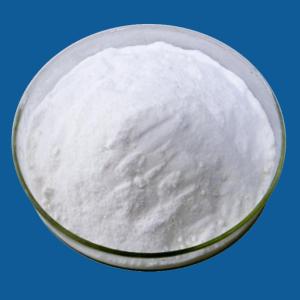
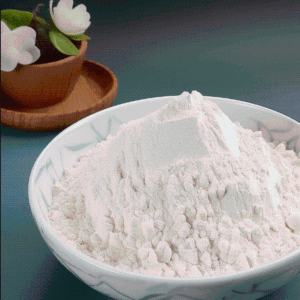
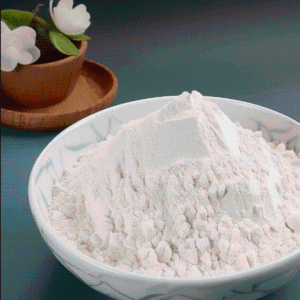
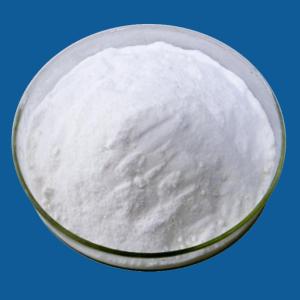
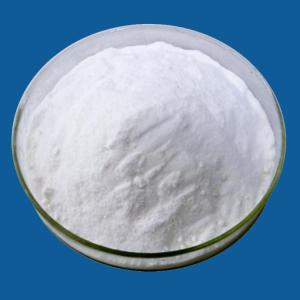
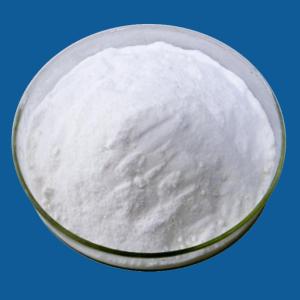
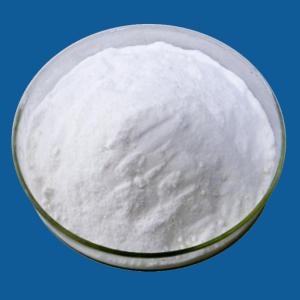
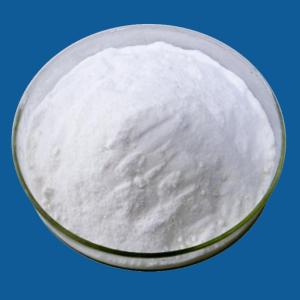
L-Cystine dihydrochloride
Chemical Structure
- L‑cystine is formed by oxidative dimerization of two L‑cysteine molecules via a disulfide bond (‑S‑S‑).
- The dihydrochloride salt is formed by protonating the two amino groups with HCl, which dramatically improves water solubility.
Distinction from Related Compounds
- L‑Cystine dihydrochloride:Dimer, disulfide‑linked, high solubility, used for stable cysteine supply.
- L‑Cysteine hydrochloride:Monomer, reduced form, more reactive, used as a reducing agent.
L‑Cystine dihydrochloride is a stable, highly soluble form of L‑cystine that provides a reliable source of cysteine for biological systems. Its unique properties make it indispensable in cell culture, bioproduction, and research.
Другие товары поставщика
|
|
L-Alanyl-L-Tyrosine |
The application fields of L-Alanyl-L-Tyrosine1. Medicine and health productsNutritional supplements: As a precursor of tyrosine, they can supplemen... |
|
|
Phospho-L-Tyrosine Sodium Salt Supplier |
Product Name:Phospho-L-Tyrosine Disodium SaltSodium(S)-2-amino-3-(4-((hydroxyoxidophosphoryl)oxy)phenyl)propanoate; Phospho-L-tyrosinedisodiumsalt;... |
|
|
High purity N-Acetyl-L-Tryptophan |
N-Acetyl-L-Tryptophan in Industrial Biotechnology & Organic Synthesis Pharmaceutical intermediate: Builds indole‑derived drugs, antibiotics, an... |
|
|
L-Cysteine S-Sulfate Na |
Density and Bulk Properties of L-Cysteine S-Sulfate Na Crystal density: The crystal density of the purified product is approximately 1.65–1.7... |
|
|
N-Acetyl-L-Tryptophan |
N-Acetyl-L-Tryptophan in Key Advantages Over L‑Tryptophan Higher stability: Resists oxidation, racemization, and enzymatic degradation; longer shel... |
Все товары поставщика
Похожие товары