Orotic acid

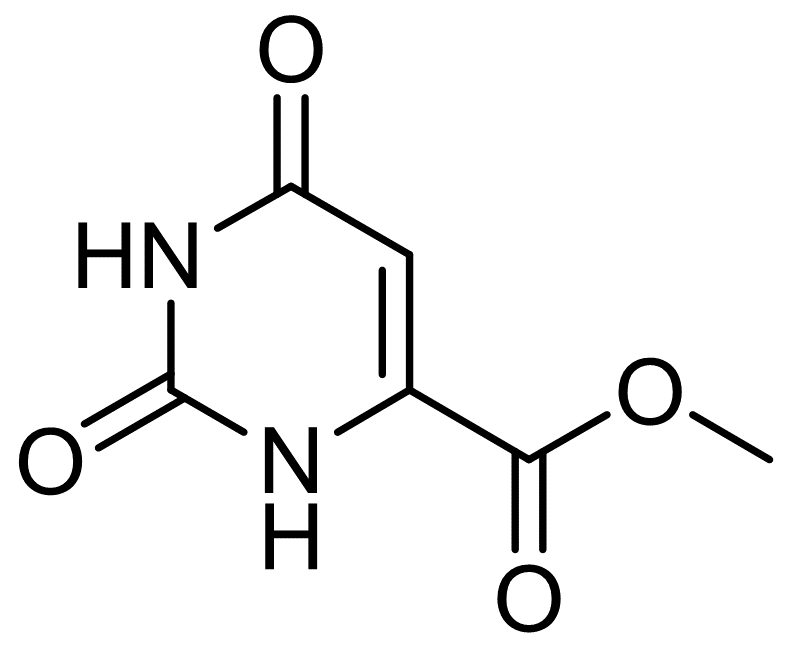
Orotic acid is a naturally occurring organic compound and a derivative of pyrimidine, which is a key component in the biosynthesis of nucleotides, the building blocks of DNA and RNA. It is also known as "pyrimidinecarboxylic acid." Although it is sometimes referred to as "Vitamin B13," it is not officially classified as a vitamin because it is not essential for humans.
Structure and Sources
·Chemically, orotic acid has the molecular formula (C_5H_4N_2O_4).
·It is found in small amounts in certain foods like dairy products and vegetables and is synthesized in the body as part of the pyrimidine biosynthesis pathway.
Uses of Orotic Acid
1. Nucleotide Synthesis:
·Orotic acid is a precursor in the synthesis of pyrimidine nucleotides, such as uridine monophosphate (UMP). These nucleotides are essential for DNA and RNA production, cell division, and protein synthesis.
2. Supplementation (in the form of salts like magnesium orotate):
·Orotic acid is sometimes used in supplements, often in combination with minerals (e.g., magnesium orotate, potassium orotate). These supplements are marketed for their potential benefits in heart health, liver function, and athletic performance.
3. Liver Support:
·Orotic acid has been investigated for its role in promoting liver health, particularly in conditions like fatty liver disease and liver damage. It may help improve liver cell function by supporting nucleotide production.
4. Cardiovascular Health:
·When combined with magnesium (as magnesium orotate), it is used to support heart health, including improving energy metabolism in heart cells, enhancing cardiac function, and reducing symptoms of heart failure.
5. Athletic Performance:
·Orotic acid is sometimes used by athletes as a supplement to enhance endurance and recovery by improving cellular energy production and reducing fatigue.
6. Medical and Scientific Research:
·Orotic acid is used in studies to investigate metabolic disorders, especially those involving pyrimidine metabolism or urea cycle dysfunction.
Potential Benefits
·May improve cellular energy metabolism.
·Supports DNA and RNA synthesis, promoting healthy cell function and repair.
·Helps in maintaining cardiovascular and liver health.
·May aid in muscle performance and recovery when combined with magnesium.
Precautions
·Excessive levels of orotic acid in the body can indicate metabolic disorders, such as orotic aciduria (a rare genetic condition). High levels are also associated with issues like urea cycle dysfunction or liver disease.
·Orotic acid supplementation should be taken under medical supervision, especially in individuals with underlying health conditions.
Other supplier products
|
|
Phospho-L-Tyrosine Disodium Salt |
In biochemical research, Phospho-L-Tyrosine Disodium Salt serves as a critical reference standard for detecting tyrosine phosphorylation. It is use... |
|
|
Glycyl-glycyl-glycine |
Glycyl-glycyl-glycine can be used to regulate the flavor of food and mask off-flavorsCondiments and convenience foodsApplication scenarios: soy sau... |
|
|
BOC-L-GLU(ME)-OME |
Core Applications of BOC-L-GLU(ME)-OME Peptide Synthesis Intermediate: It is a standard reagent for solid-phase or solution-phase peptide synthesis... |
|
|
L-Cysteine S-Sulfate Na |
Appearance and Crystal Morphology of L-Cysteine S-Sulfate NaAt room temperature and normal pressure, L-cysteine S-sulfate sodium salt exists as a w... |
|
|
Glycyl-glycine |
Glycyl-glycine in Pediatric and Geriatric Nutrition In specialized nutritional products for vulnerable groups: For infants or children with immatur... |
供应产品
Same products