High quality N‑Acetyl‑L‑Tryptophan Powder

Basic Information of N‑Acetyl‑L‑Tryptophan
1. Core Identity
Chemical Name: N‑α‑Acetyl‑L‑tryptophan
Common Name: N‑Acetyl‑L‑Tryptophan (NAT)
CAS Number: 1218‑34‑4
Molecular Formula: C₁₃H₁₄N₂O₃
Molecular Weight: 246.26 g/mol
Chirality: Single chiral center, L‑configuration (S‑form); optical purity ≥99%
2. Physical Properties
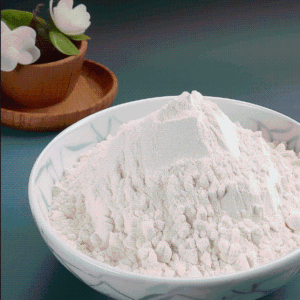
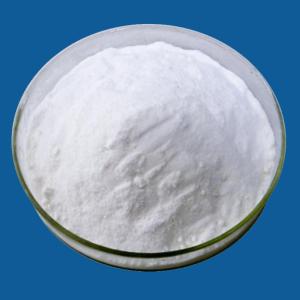
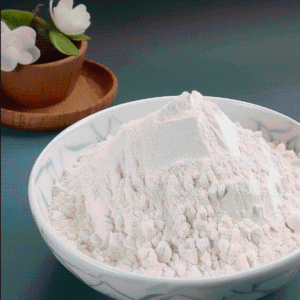
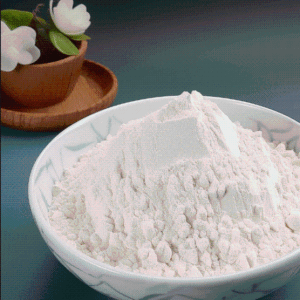
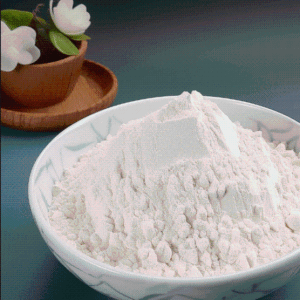
Appearance: White to off‑white crystalline powder
Odor & Taste: Odorless, slightly bitter
Melting Point: 186-190 °C
Specific Rotation: [α]₂₀/D = +24.0° ~ +30.0° (c=1, ethanol)
Solubility (25 °C):
Water: Slightly soluble (~2.5 mg/mL)
Ethanol/Methanol: Soluble
DMSO: Freely soluble
Hexane: Insoluble
Density: 1.3±0.1 g/cm³
Hygroscopicity: Slightly hygroscopic
3. Chemical Properties
pKa (Carboxyl): ~3.65 (weakly acidic)
pH (1% aqueous suspension): ~4.5
Stability:
Stable at pH 4-9; heat‑stable up to 121 °C
Resists oxidation, racemization, and enzymatic degradation
Incompatible with strong oxidants, strong acids/bases
Key Reactions: Acidic hydrolysis → L‑tryptophan + acetic acid; indole ring undergoes electrophilic substitution/oxidation
4. Quality Specifications (Food/Feed Grade)
Purity: ≥98.0% (food grade); ≥99.0% (supplement/pharma grade)
Loss on Drying: ≤0.5%
Residue on Ignition: ≤0.1%
Heavy Metals: Pb ≤1 ppm, As ≤0.5 ppm
Optical Purity: ≥99.0% (chiral HPLC)
D‑Tryptophan: ≤0.5%
5. Main Applications
Food Industry: Flavor enhancer (umami/savory), nutrient fortifier (stable tryptophan source)
Dietary Supplements: Sleep/mood support, stress relief, cognitive health
Feed Additive: Livestock/poultry/aquaculture growth promotion, stress reduction
Pharmaceutical/Biochemical Research: Neuroprotective agent, enzyme inhibitor, chiral building block
6. Storage Requirements
Temperature: 2-8°C (long‑term) or ≤25°C (ambient)
Environment: Cool, dry, dark, humidity ≤60% RH
Packaging: Sealed, moisture‑proof (aluminum foil/HDPE); avoid light/moisture/strong odors
Shelf Life: Unopened 24 months; opened 12 months (sealed)
Other supplier products
|
|
Cystine Disodium Salt |
Thermal and Storage Stability ofCystine Disodium Salt
Thermal stability: Cystine Disodium Salt is stable under moderate heating (≤ 100 °... |
|
|
L-Cysteine S-Sulfate Na in |
Relying on its strong complexation ability with heavy metal ions, L-Cysteine S-Sulfate Na is applied in the treatment of heavy metal-contaminated w... |
|
|
Cystine Disodium Salt |
The ionic form of Cystine Disodium Salt contributes to its excellent biocompatibility, making it suitable for in vivo applications.
Weakly alk... |
|
|
Cystine Disodium Salt |
The combination of the above properties makes Cystine Disodium Salt highly versatile across multiple industries:
In pharmaceuticals, it is use... |
|
|
Phospho-L-Tyrosine Disodium Salt |
Phospho-L-Tyrosine Disodium Salt in Cell Biology and Molecular Biology ResearchProtein Interaction Studies: Used to probe interactions between phos... |
供应产品
Same products