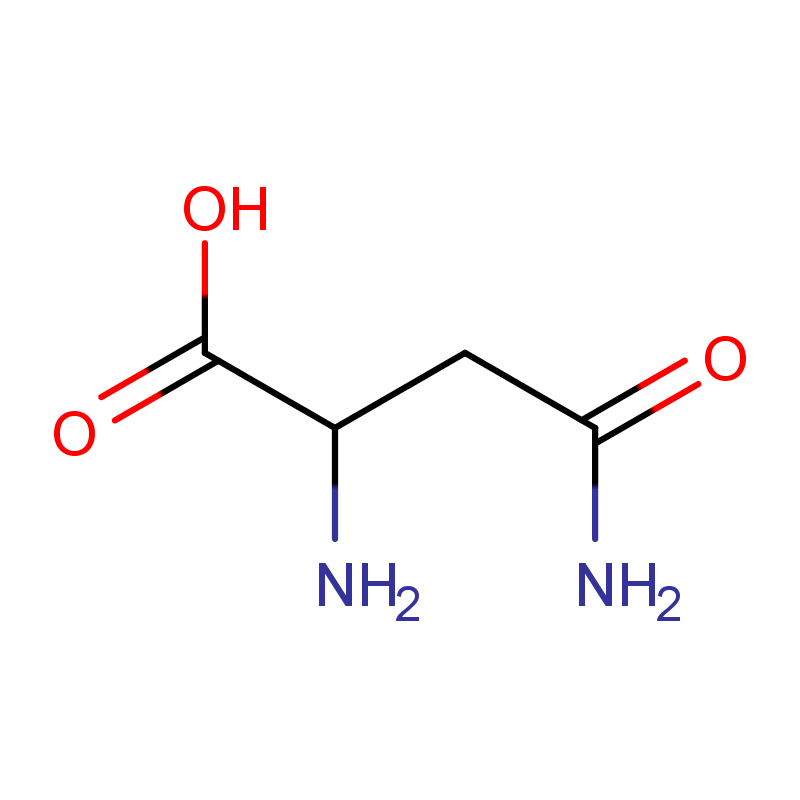
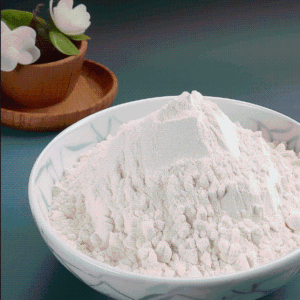
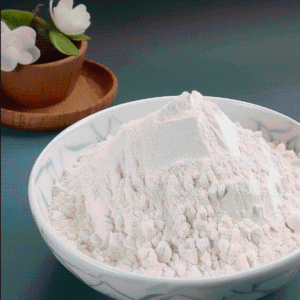
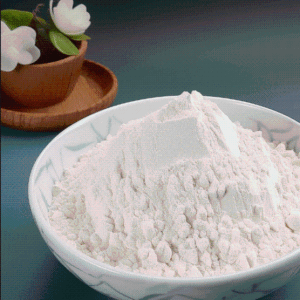
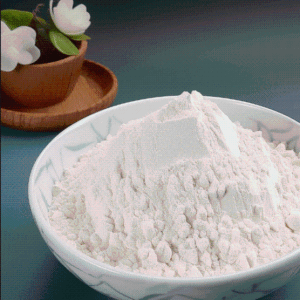
L-Aspartic acid monosodium salt monohydrate

While L-Aspartic acid monosodium salt monohydrate is generally recognized as safe (GRAS) by global regulatory bodies (e.g., FDA in the U.S., EFSA in the EU), its use in food requires adherence to dosage limits, labeling rules, and considerations for specific consumer groups.
Regulatory agencies have established maximum allowable levels to ensure safety and prevent excessive intake:
EFSA (EU): Classified as a "flavor enhancer" (E631) with no set "acceptable daily intake (ADI)" (considered safe at typical consumption levels), but it must be used "in accordance with good manufacturing practice (GMP)"—i.e., only in amounts necessary to achieve the desired technical effect (flavor, stabilization).
FDA (U.S.): Listed as GRAS for use in foods at levels up to 0.1% (by weight) of the finished product, though higher levels may be approved for specific applications (e.g., nutritional fortification) with prior review.
Risk of excess sodium: Each gram of L-Aspartic acid monosodium salt monohydrate contains ~120 mg of sodium. Food manufacturers must account for this when formulating products for sodium-restricted diets (e.g., low-sodium soups, heart-healthy snacks) to avoid exceeding daily sodium guidelines (WHO recommends <2,000 mg/day for adults).
Other supplier products
|
|
N-Acetyl-DL-Tryptophan |
Store N-Acetyl-DL-Tryptophan in a cool, dry, clean and well-ventilated indoor environment at room temperature. Keep tightly sealed to prevent moist... |
|
|
Phospho-L-Tyrosine Disodium Salt |
Storage Precautions of Phospho-L-Tyrosine Disodium SaltPrevent catalytic degradation by storing the product away from biological samples (e.g., cel... |
|
|
Cystine Disodium Salt |
The most prominent advantage of Cystine Disodium Salt is its excellent water solubility, a property that addresses the critical limitation of free ... |
|
|
Biological Activity of N-Acetyl-DL-Tryptophan |
Biological Activity of N-Acetyl-DL-Tryptophan 1. Stable tryptophan supplementation activity As a derivatized form of tryptophan, it can be slowly m... |
|
|
L-Cysteine S-Sulfate Na |
Solubility of L-Cysteine S-Sulfate NaWater solubility: It is highly soluble in water with good dissolution performance. At 25 °C, the solubilit... |
供应产品
Same products