

Burning Manikin System

Get a quote:
Whats/App: +86 185 0176 3615
Web: qinsun-lab.com
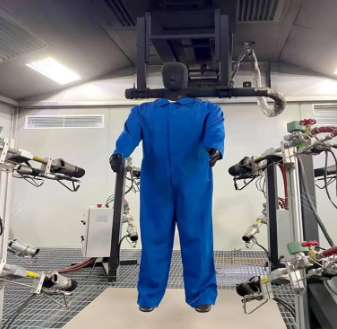
The burning manikin system is used to test the overall thermal protection performance of protective clothing.Complete combustion manikin system, which consists of combustion chamber, burning manikin and gas control system and other components.
Application
The Burning Manikin System is primarily applied in the following areas:
Fire Environment Simulation: This system simulates high-risk fire environments, realistically recreating flashover scenarios. Using a burning manikin testing system and accompanying software, it evaluates the flame-retardant performance of protective clothing.
Thermal Protection Performance Assessment: By placing thermal sensors on the manikin model, it measures and calculates the heat and temperature transmitted through the clothing to various parts of the manikin's surface, thereby predicting the possible locations and extent of burns.
Fire Environment Research: This system helps researchers analyze the heat transfer mechanism between the heat source, clothing, and the human body in a fire environment, improving the thermal protection performance of protective clothing.
Firefighter Protection: Through burning manikin testing, it evaluates the heat insulation performance of fire suits, optimizing designs to reduce the rate of burns.
These applications contribute to improving the survivability of firefighters and soldiers under high-intensity flame conditions.
Standards
EN ISO 11612:rotective clothing - Clothing to protect against heat and flame - Minimum performance requirements
EN ISO 11611:Protective clothing for use in welding and allied processes - Minimum basic safety requirements
ISO 13506:Protective clothing against heat and flame - Test method for complete garments - Prediction of burn injury using an instrumented manikin
EN469:2005:Protective clothing for firefighters - Performance requirements for protective clothing for firefighting
ISO13506-1:Protective clothing against heat and flame- part1: Test method for complete garments-Measurement of transferred energy using an instrumented manikin
ISO13506-2:Protective clothing against heat and flame- part2: Skin burn injury prediction- Calculation requirements and test cases
ASTM F1930:Standard test method for evaluation of flame-resistant clothing for protection against fire simulations using an instrumented manikin
GB8965.1:Protective clothing - Flame retardant protective clothing
Principle
The burning manikin system is composed of:
1. computer combustion dummy;
2. thermal sensor group;
3. flame generator;
4. computer control module;
5. data acquisition and processing module;
6. burn analysis module.
Features
High-precision measurement: Utilizing 124 thermal sensors, it accurately measures changes in human skin temperature to predict burn severity.
Repeatability: Test results can be repeated in simulated fire environments, ensuring accuracy and reliability.
Rapid testing: The system can complete tests quickly, suitable for rapid assessment and quality control.
Versatility: Applicable to various types of protective clothing, such as flame-retardant suits and fire-fighting suits, providing comprehensive thermal protection performance evaluation.
Standardized testing: Complies with international standards such as ISO 13506 and ASTM F1930. ensuring international recognition of test results.
These features make the burning mannequin system of significant value in the field of safety protection, effectively improving the thermal protection performance of protective clothing and ensuring personnel safety.
Parameters
| Parameter | Description |
| Dimensions (L×W×H) | 14m × 6m × ≥6m |
| Weight | 2000 kg |
| Thermal Sensors | Monitor heat flux changes on mannequin surface; quantity varies by design |
| Combustion Flame Array | Multiple propane generators arranged around mannequin to simulate fire |
| Gas Supply System | Provides stable gas via high-pressure tanks and pipelines |
| Combustion Chamber | Houses flame array and mannequin for safe, controlled experiments |
| Data Acquisition System | Collects data from thermal sensors with processing units and cables |
| Testing Software | Controls experiments, analyzes data, and generates visual reports |
| Calibration Tools | Ensure accuracy and reliability of sensor data through calibration |
在线联系供应商
Other supplier products
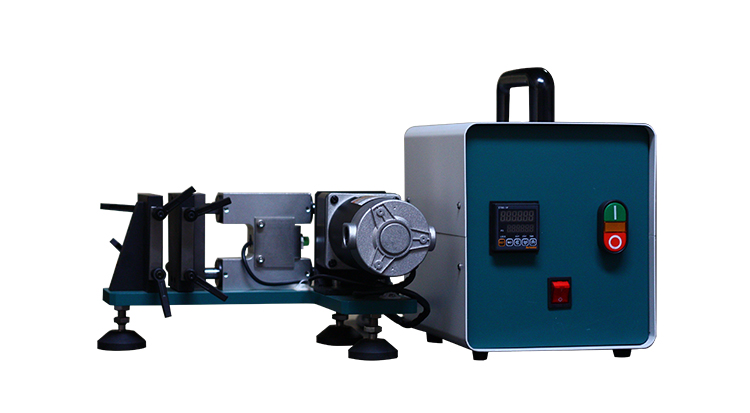 |
Low Temperature Chrysler Fold Tester | Get a quote: Whats/App: +86 185 0176 3615 Web: qinsun-lab.com Standards: LP-463-KB-28-01 Method A Applications: This Cold Fold Tester is appl... |
 |
High and low temperature universal creep testing machine | Get a quote: Whats/App: +86 185 0176 3615 Web: qinsun-lab.com The High and Low Temperature Universal Creep Testing Machine is designed for long-... |
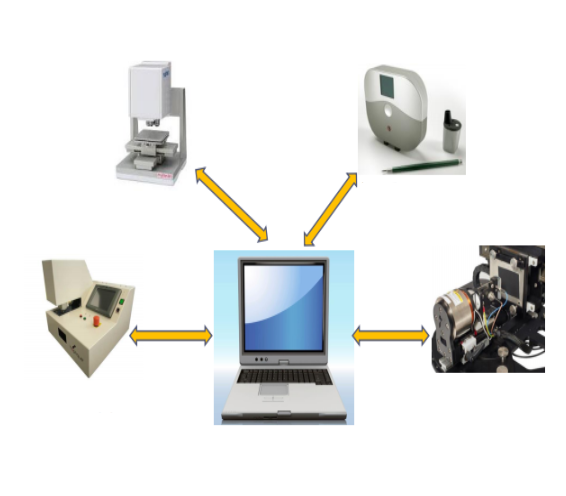 |
Touch Haptics Test System | Get a quote: Whats/App: +86 185 0176 3615 Web: qinsun-lab.com The Touch Haptics Test System is a precision laboratory instrument designed to eva... |
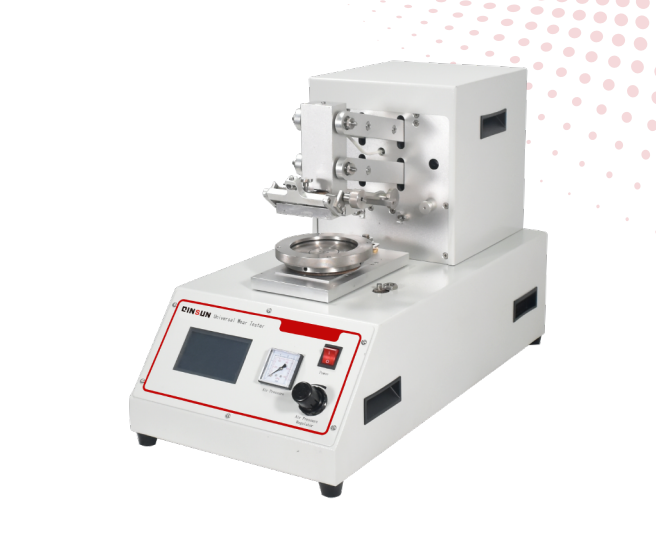 |
Universal Wear Tester(UWT)/Stoll Quartermaster | Get a quote: Whats/App: +86 185 0176 3615 Web: qinsun-lab.com Email: serving@qinsun-lab。com Application Universal Wear Tester (UWT) is used to... |
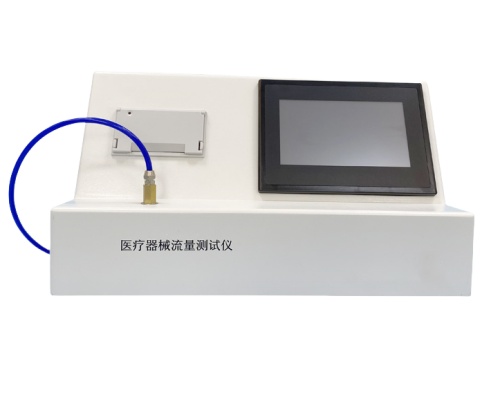 |
Syringe needle flow tester | Get a quote: Whats/App: +86 185 0176 3615 Web: qinsun-lab.com The Syringe Needle Flow Tester is designed to evaluate the flow characteristics of... |
Same products
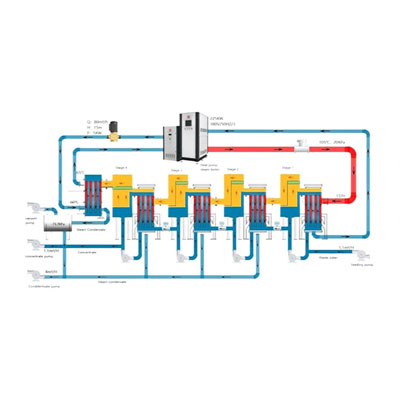 |
PanEVAP & MVR system | 卖方: Yangzhou Panstar Heat Exchanger Equipment Co., Ltd | A multiple-effect evaporator is a device that efficiently uses steam heat to evaporate water. Wat... |
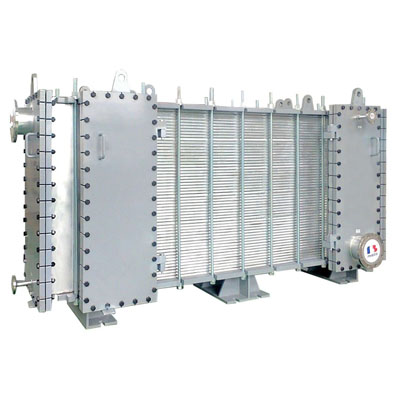 |
PanGAP wide gap welded plate heat exchanger | 卖方: Yangzhou Panstar Heat Exchanger Equipment Co., Ltd | PanGAP wide gap welded plate heat exchangerconsists of a welded plate pack with different channel... |
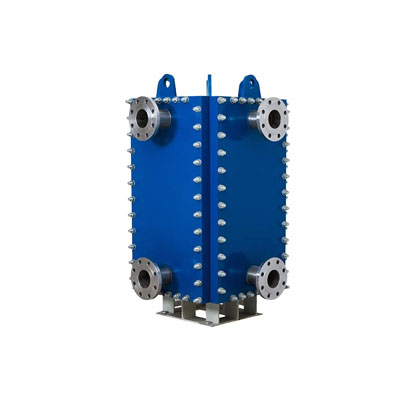 |
PanBloc welded plate heat exchanger | 卖方: Yangzhou Panstar Heat Exchanger Equipment Co., Ltd | PanBloc welded plate heat exchangeris compact and efficient, although fully welded, is totally ac... |
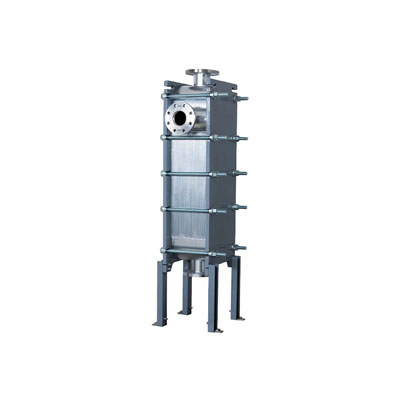 |
PanBox welded plate heat exchanger | 卖方: Yangzhou Panstar Heat Exchanger Equipment Co., Ltd | PanBox welded plate heat exchangerconsists of a laser welded plate pack with optimized corrugated... |
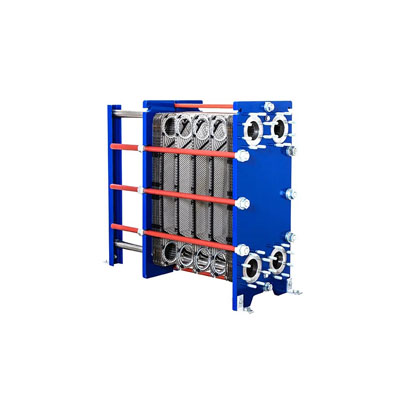 |
PanPHE gasketed plate heat exchangers | 卖方: Yangzhou Panstar Heat Exchanger Equipment Co., Ltd | PanPHE gasketed plate heat exchangersare designed with easy access for regular servicing and for ... |

