

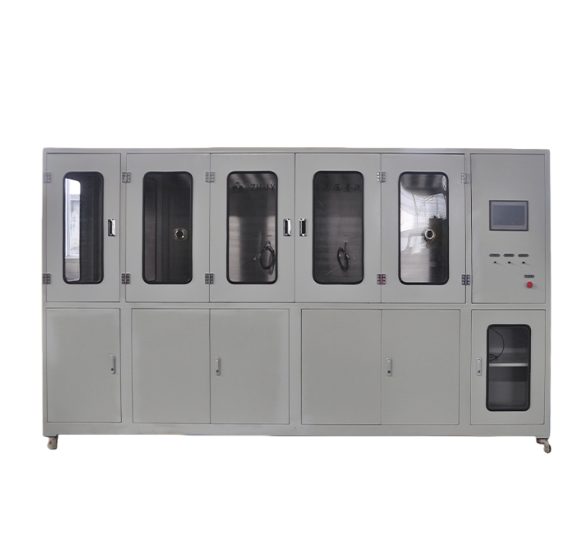
Pump and Valve Contamination Tolerance Tester, ISO 4406 Contamination Control Test Equipment

Whats/App: +86 156 1874 6768
Web: standard-groups.com
Solid particle contamination is a major cause of wear, silting, stiction, leakage, and ultimately failure in hydraulic pumps and valves. A Pump and Valve Contamination Tolerance Tester provides a controlled environment to subject both component types to contaminated fluid and assess their performance over time.
The tester typically consists of a hydraulic test circuit where the pump(s) and valve(s) under evaluation are installed. A reservoir holds a volume of test fluid (hydraulic oil) which is intentionally contaminated with a specific type and concentration of solid particles. The pump circulates this contaminated fluid, and the system includes a loading mechanism (e.g., restrictors, actuators) to operate the pump and cycle the valve(s) under realistic pressure, flow, and temperature conditions.
Throughout the test, which may involve running for extended durations or millions of cycles, the performance of both the pump and the valve(s) is monitored. Pump performance measurements include flow rate (volumetric efficiency), pressure, speed, and potentially power consumption. Valve performance measurements vary depending on the valve type (directional control, pressure control, flow control) but can include leakage rate, pressure control accuracy, flow regulation accuracy, response time, and the force or current required to shift spools. The cleanliness level of the circulating fluid is continuously or periodically verified using fluid sampling and particle counting according to standards like ISO 4406. After the test, component performance is re-measured, and the pump and valve(s) are often disassembled for detailed visual inspection and quantitative measurement of wear on critical surfaces. This comprehensive evaluation provides crucial data on how contamination affects the operational lifespan and performance stability of both pumps and valves.
Applications
Evaluating the wear resistance and durability of hydraulic pumps and valves simultaneously under contaminated fluid conditions.
Determining the impact of fluid contamination on the performance characteristics (efficiency, leakage, control accuracy, response time) of pumps and valves over time.
Validating the contamination tolerance of pump and valve designs, materials, and manufacturing processes.
Benchmarking the contamination resistance of different pump and valve models or manufacturers.
Research and development of more robust hydraulic components for use in contaminated environments.
Assessing the effectiveness of design modifications in improving contamination tolerance.
Standards
(1) ISO 4406:2021 — Hydraulic fluid power — Fluids — Method for coding the level of contamination by solid particles.
(2) ISO 18413:2017 — Hydraulic fluid power — Filters — Vocabulary and commercial specifications.
(3) ISO 10707:2019 — Petroleum products and lubricants — Determination of demulsibility characteristics.
(4) ISO 6403:2018 — Hydraulic fluid power — Filter elements — Verification of collapse/burst pressure.
(5) ISO 10372:2016 — Hydraulic fluid power — Filter elements — Method for measuring filtration performance.
(6) NFPA T2.6.1 — Standard for Hydraulic Power Units.
(7) GB/T 16907-1997 — Hydraulic systems — General technical specifications.
(8) GB/T 14039-2002 — Hydraulic transmission — Solid particle contamination code for oil.
(9) JB/T 7857-2006 — Evaluation method for contamination sensitivity of hydraulic valves.
(10) ISO 12103-A3 — Test dust standard for simulating solid particle contamination.
Features
Provides a comprehensive evaluation of both hydraulic pump and valve performance and wear resistance in a single test setup under contaminated conditions.
Simulates the interaction of contaminated fluid with key components in a hydraulic circuit.
Essential for selecting pumps and valves that can reliably operate in hydraulic systems with expected levels of fluid contamination.
Helps validate component designs and materials specifically for resistance to wear and degradation caused by particles.
Provides objective, quantitative data on the long-term effects of contamination on pump and valve performance.
Supports research and development efforts aimed at improving the robustness and lifespan of hydraulic components.
Technical Parameters
| No. | Technical Parameters | Specifications |
|---|---|---|
| 1 | Test medium | Hydraulic oil |
| 2 | Temperature of medium | 10 ~ 80℃ |
| 3 | Test dust | ISO 12103-A3 |
| 4 | Test pressure range | 0.5 ~ 6MPa |
| 5 | Test flow | 1 ~ 20L/min |
| 6 | Purification cleanliness | -/12/10 (GB/T |
| 7 | Test tank volume | 40L |
| 8 | Execution standard | JB/T 7857-2006 |
| 9 | Equipment power supply | AC380V / 50Hz |
| 10 | Power of the whole machine | 5.5kW |
Accessoriess
1. Core Functional Components:
Hydraulic test circuit assembly (including piping and connectors)
Reservoir (for holding contaminated hydraulic oil)
Mounting and fixing device for the pump/valve under test
Solid particulate contamination additive assembly (matching standard dust such as ISO 12103-A3)
Loading mechanism (e.g., throttle, actuator, simulating actual working conditions)
2. Monitoring and Control Components:
Pressure gauge (monitoring system pressure)
Flow monitoring device
Temperature control module (adjusting medium temperature)
Control panel (setting test parameters)
3. Auxiliary Components:
Seals (e.g., O-rings, gaskets)
Pipeline cleaning tools
Instruction manual, certificate of conformity
Test Procedures
1. Preliminary Preparation
Check the sealing of all components of the test bench to ensure there are no leaks in the pipelines and storage tanks; Add hydraulic oil to the storage tank, and add the specified type/concentration of solid particulate contaminants (such as ISO 12103-A3 dust) according to the test requirements, stirring to ensure uniform dispersion of the contaminants.
2. Equipment Installation and Parameter Setting
Install the hydraulic pump and valve to be tested onto the corresponding mounting device in the test circuit; Connect the AC 380V/50Hz power supply and set the test parameters (such as medium temperature, pressure, flow rate, etc.) through the control panel.
3. Test Operation
Start the pump to circulate the contaminated hydraulic oil in the circuit; Activate the loading mechanism to simulate the pressure and flow load under actual working conditions, allowing the pump/valve to operate continuously in the contaminated medium; Monitor and record the pump/valve performance data (such as pressure stability, flow rate changes, leakage, etc.) in real time.
4. Post-Test Processing
After the test, first stop the loading mechanism, then turn off the pump;
Remove the pump/valve under test and check its wear, jamming, etc.;
Drain the contaminated oil from the storage tank and clean the pipelines, storage tank, and other components.
5. Data Processing and Equipment Cleanup
Analyze the performance data recorded during the test to assess the pump/valve's contamination tolerance;
Turn off the equipment power, organize the test records, and complete the equipment cleaning.
在线联系供应商
Other supplier products
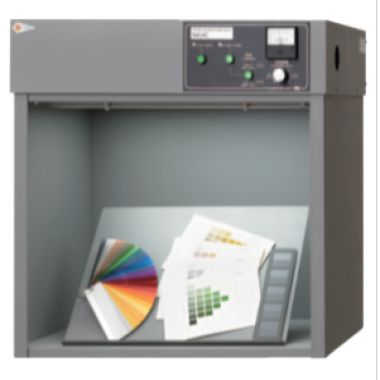 |
Standard light source sample table | Whats/App: +86 156 1874 6768 Web: standard-groups.com Standards ISO 3664:2009: Meets international standards for graphic arts and photography vi... |
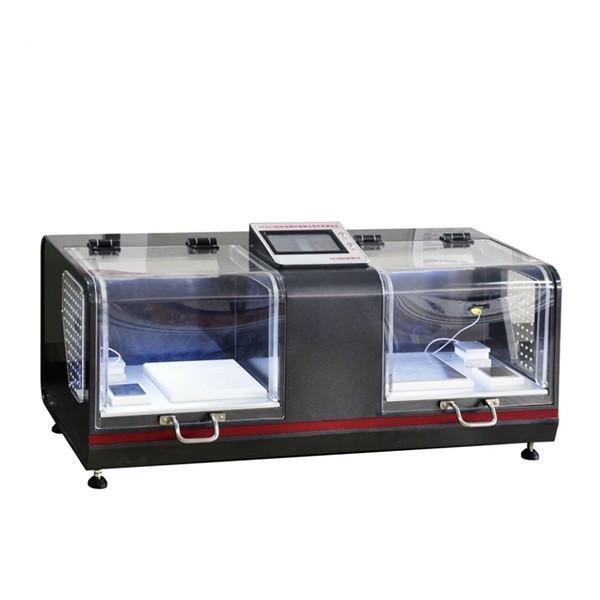 |
Fabric Touch Cool Feeling Tester | Whats/App: +86 156 1874 6768 Web: standard-groups.com Applications Fabric Cooling Sensation Tester is used to evaluate the instant cooling sensa... |
 |
Alternative to PV Friction Tester | Whats/App: +86 156 1874 6768 Web: standard-groups.com The testing machine can monitor the changes in friction force and the wear condition of the... |
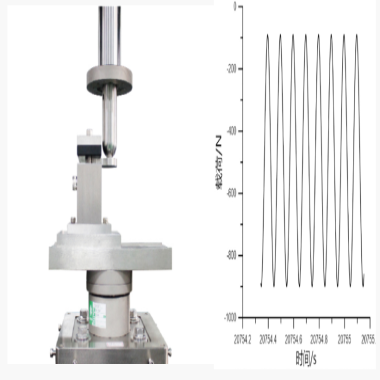 |
Biomechanical Femoral Neck Fatigue Evaluation System | Whats/App: +86 156 1874 6768 Web: standard-groups.com The Femoral Stem Neck Prostheses Fatigue Testing Machine is a specialized mechanical testin... |
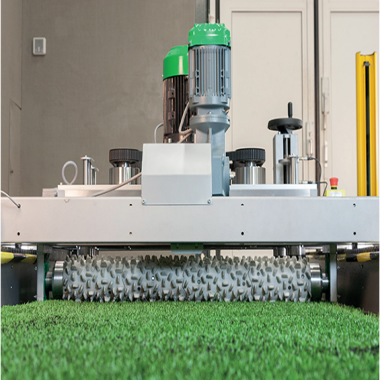 |
Artificial turf wear tester | Whats/App: +86 156 1874 6768 Web: standard-groups.com Standard FIFA Quality Programme: Exceeds 2015/2016 handbook requirements for artificial tu... |
Same products
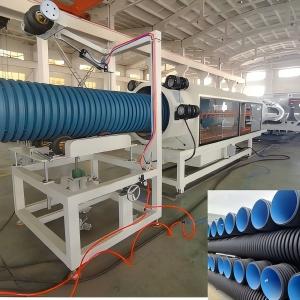 |
HDPE高速水冷双壁波纹管生产线 | 卖方: Shandong HUASU Plastic Technology Co.,Ltd. | 机头模具采用双流道结构、氮化磨光处理机头,偏壁调整方便快捷,保证内外层壁厚均匀和稳定成型。 最新设计密闭压力水冷冷却结构,冷却充分,多点分布真空系统,效率更高,生产速度更快。 双层在线扩口功... |
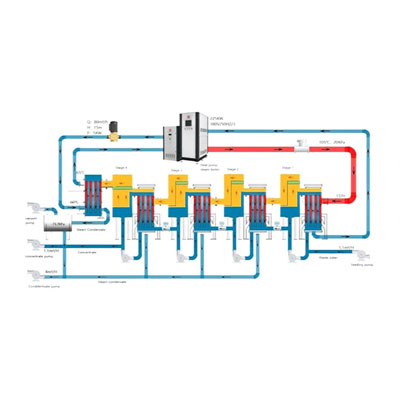 |
PanEVAP & MVR system | 卖方: Yangzhou Panstar Heat Exchanger Equipment Co., Ltd | A multiple-effect evaporator is a device that efficiently uses steam heat to evaporate water. Wat... |
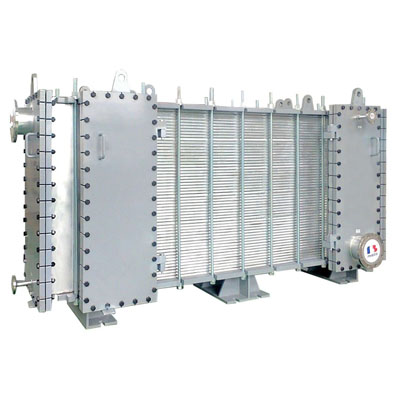 |
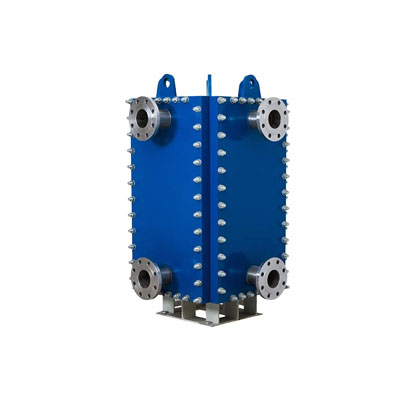
PanGAP wide gap welded plate heat exchanger | 卖方: Yangzhou Panstar Heat Exchanger Equipment Co., Ltd | PanGAP wide gap welded plate heat exchangerconsists of a welded plate pack with different channel... |
 |
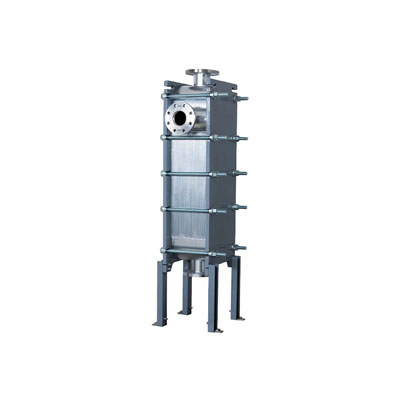
PanBloc welded plate heat exchanger | 卖方: Yangzhou Panstar Heat Exchanger Equipment Co., Ltd | PanBloc welded plate heat exchangeris compact and efficient, although fully welded, is totally ac... |
 |
PanBox welded plate heat exchanger | 卖方: Yangzhou Panstar Heat Exchanger Equipment Co., Ltd | PanBox welded plate heat exchangerconsists of a laser welded plate pack with optimized corrugated... |

