

Metal Corrosivity Tester

Whats/App: +86 156 1874 6768
Web: standard-groups.com
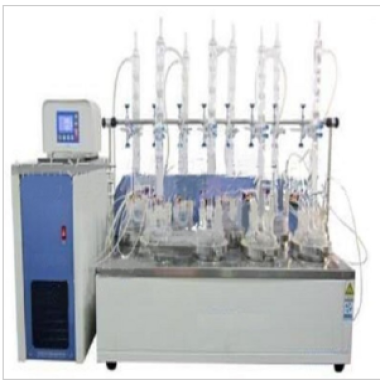
The Metal Corrosivity Tester is used to determine the corrosivity of liquids and solids that may become liquid during transport. It conforms to the UN Recommendations on the Transport of Dangerous Goods – Manual of Tests and Criteria 37.4. Test Methods for Determining Corrosivity of Metals, and GB 19521.6-2004. Safety Specifications for Testing Hazardous Characteristics of Corrosive Dangerous Goods. The instrument consists of three parts: a display and control unit, a testing system, and a water supply system. It features automatic sample level detection, automatic condensate circulation, and automatic water replenishment for the constant temperature water bath. The testing system is equipped with two sets of testing devices, allowing simultaneous corrosion tests on two different types of samples. Operators can monitor the entire testing process via an LCD screen.
Applications
The metal corrosivity tester is designed and manufactured in line with the requirements stipulated in the national standard of the People's Republic of China, GB/T21621 Test Method for Metal Corrosivity of Dangerous Goods. It is applicable to the metal corrosivity testing of liquid substances or solid substances that may become liquid during transportation.
Standards
It conforms to the United Nations Recommendations on the Transport of Dangerous Goods - Manual of Tests and Criteria 33.2.1.4 Test N.1: Test Method for Flammable Solids; conforms to GB/T 21618-2008 "Dangerous Goods - Test Method for Burning Rate of Flammable Solids"; conforms to NY/T 1860.15-2010 "Guidelines for Determination of Physicochemical Properties of Pesticides - Part 15: Flammability of Solids"; conforms to GB 5085.4 "Identification Standards for Hazardous Waste - Flammability Identification" 4.2 Flammable Solid Test; conforms to GAT536 "Classification and Test Methods for Fire Hazards of Flammable and Explosive Hazardous Goods"; and conforms to national standards and industry standards that are equivalent or equivalent to the above standards.
Features
1. It adopts an embedded processor and Windows CE operating system.
2. With an 8 - inch liquid - crystal touch screen, it can display the test status in real - time.
3. It integrates two functions, "sieving experiment" and "combustion rate experiment", into one.
4. It is applicable to the detection of two types of sample materials: non - metallic powder and metallic powder.
5. It is equipped with a standard stacking mold and features a user - friendly shaking handle design.
6. Strictly in accordance with standard requirements, an ignition torch is used for the sieving experiment, eliminating the need for a gas cylinder and ensuring safety.
7. A nitrogen rod is used as the ignition source for the combustion rate experiment. The material has high stability, and the ignition source temperature detection device ensures that the ignition temperature reaches above 1000°C.
8. It uses full - automatic infrared flame detection technology, which can reliably detect open flames and smoldering phenomena, ensuring detection accuracy.
9. It has a fault - detection function and audible and visual alarm functions to ensure the safety of the experiment.
10. The experimental process is fully automated, requiring no manual intervention. It supports functions such as parameter setting, data storage, and report viewing.
Technical Parameters
|
Operating environment |
(5~40)°C, <85%RH |
|
Temperature control range |
Room temperature ~ 80°C |
|
Temperature control accuracy |
±1°C |
|
Temperature uniformity |
±0.5°C |
|
Timing range |
(0~30)days |
|
Timing display resolution |
1min |
|
Sample container volume |
3000mL, effective volume 2000mL |
Accessoriess
1. Core Working Components
Sample Testing Unit
8-well sample etching tank (suitable for multiple parallel tests): Used to load test liquid/molten solid samples and metal specimens;
Metal specimen fixing bracket: Adaptable to standard specimens (such as steel and aluminum) as required by GB/T 12621. ensuring stable immersion/contact with the sample.
Environmental Control Unit
Compressor - Refrigeration circulating water tank: Supports the condensation system, maintaining a stable test environment temperature;
High-precision temperature sensor (accuracy ±0.5℃): Real-time monitoring of the test tank temperature, matching the temperature control range of "room temperature to 100℃";
Heating module: Achieves temperature rise and constant temperature control for the test.
Control and Display Unit
Touchscreen display: Used for parameter setting (temperature, duration) and real-time display of test status;
Embedded control module: Supports automated instrument operation and data storage.
2. Auxiliary Accessories
Sample Processing: Standard metal test pieces (meeting GB/T 12621 material requirements), sample melting and heating device (for easily liquefied solid samples during transportation), pipettes/measuring cylinders (for quantitative liquid dispensing);
Calibration and Maintenance: Temperature calibration standard source, test piece grinding/cleaning tools (sandpaper, anhydrous ethanol, drying oven);
Data Recording: USB flash drive (for exporting test data/reports), test piece weighing balance (accuracy 0.1mg).
Test Procedures
Taking "Corrosion Testing of Metals in Dangerous Goods" as an example, the procedure is as follows:
1. Sample and Test Piece Preparation
Sample Processing:
Liquid Samples: Shake well before use;
Solid Samples Easily Liquefied During Transportation: Heat to a molten state (temperature control must be matched to sample characteristics).
Metal Test Piece Processing:
Take a standard test piece (e.g., steel/aluminum test piece specified in GB/T 12621), grind to remove the surface oxide layer, clean with anhydrous ethanol, and dry;
Accurately weigh the initial mass of the test piece (recorded as m₁), and record the test piece dimensions (calculate surface area).
2. Instrument Preparation
Connect to AC220V power supply, start the instrument, and complete the fault self-check via the touch screen;
Check whether the condensation system (compressor - refrigeration circulating water tank) is operating normally, and calibrate the temperature sensor (ensuring ±0.5℃ control accuracy);
Clean the 8-well sample corrosion tank to ensure no residual impurities.
3. Sample Loading and Parameter Setting
Fix the prepared sample piece onto the support, place it in the sample container, and add the sample to be tested (ensuring the sample piece is completely submerged/in full contact with the sample);
Place the sample container into the corresponding holes of the 8-well corrosion tank;
Set the parameters via the touchscreen: test temperature (e.g., 25℃ room temperature or standard specified temperature), test duration (e.g., the stress corrosion test duration required by GB/T 15970), and start the condensation system.
4. Starting the Test
After confirming the parameters are correct, start the instrument's automatic program;
During the test, monitor the temperature and sample status in real time via the touchscreen. If leakage, abnormal temperature, or other issues occur, the instrument will trigger an audible and visual alarm (which must be addressed promptly).
5. Post-Test Processing and Data Analysis
After the test, stop the instrument and remove the sample.
Clean the sample surface of any remaining sample with the specified solvent, dry it, and weigh it again (record as m₂).
Observe the corrosion state of the sample (e.g., pitting, cracking, surface discoloration, etc.), and calculate the corrosion rate based on the mass change (formula: corrosion rate = |m₁ - m₂| / (sample surface area × test duration)).
Determine the metal corrosivity level of the sample according to GB/T 12621. and export the test report using the instrument.
6. Instrument Cleanup
Empty the sample corrosion tank, clean it with pure water, and allow it to air dry.
Turn off the instrument power and disconnect the condenser water circuit.
在线联系供应商
Other supplier products
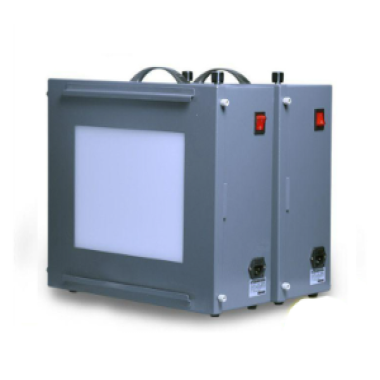 |
Image test standard transmission light box | Whats/App: +86 156 1874 6768 Web: standard-groups.com Standard CIE 15:2004: Adheres to colorimetry standards for spectral measurement. ISO 3664... |
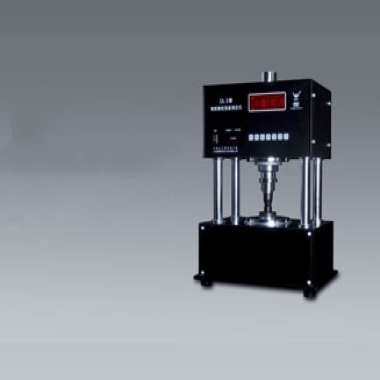 |
Particle Strength Tester | Whats/App: +86 156 1874 6768 Web: standard-groups.com The Particle Strength Tester is a high-precision instrument designed to measure the mechani... |
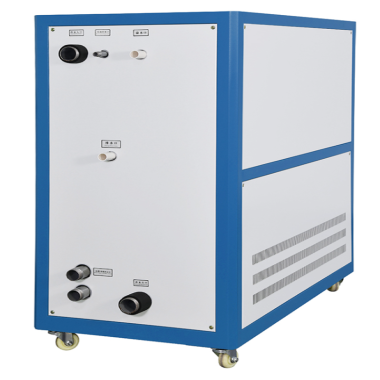 |
Industrial chillers | Whats/App: +86 156 1874 6768 Web: standard-groups.com Standards ASHRAE 15(Safety Standard for Refrigeration Systems) ISO 5149(Refrigerating S... |
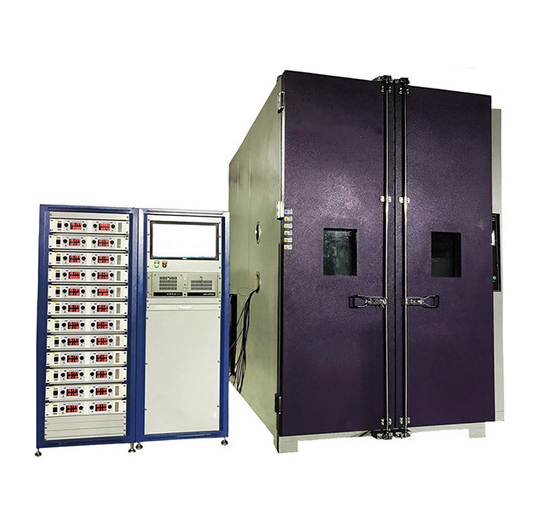 |
Freeze thaw cycle test chamber | Whats/App: +86 156 1874 6768 Web: standard-groups.com Standards (1)GB/T 9535 Crystalline Silicon Terrestrial Photovoltaic (PV) Modules – D... |
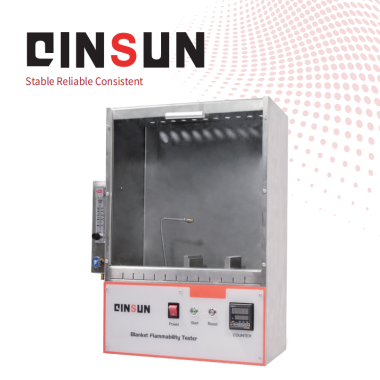 |
Blanket Flammability Test Machine | Whats/App: +86 156 1874 6768 Web: standard-groups.com The Bed Blanket Flammability Tester assesses flame retardancy and surface flame spread of b... |
Same products
 |
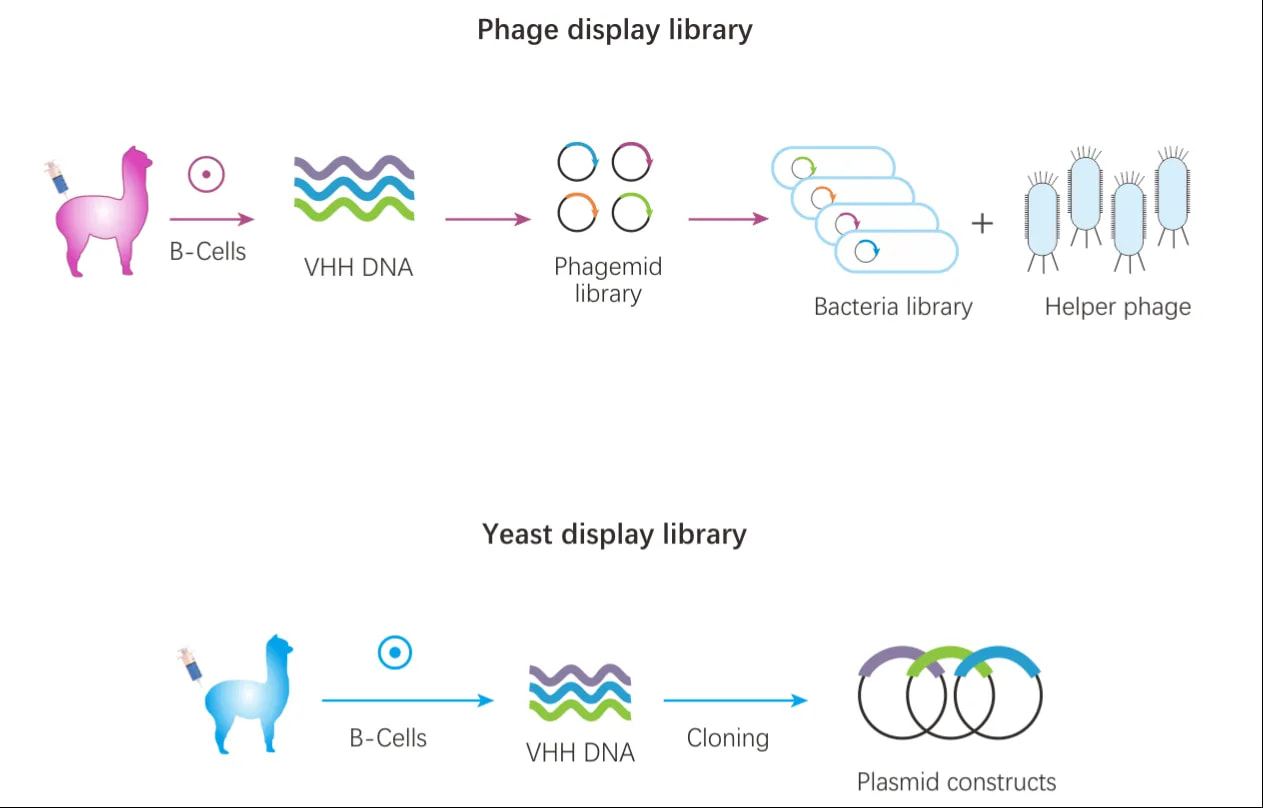
KL‑016A Benchtop High‑precision pH Meter | 卖方: 科立龙电子股份有限公司ctron Co.Ltd | Product Description: Large‑screen display with high resolution and precision for con... |
 |
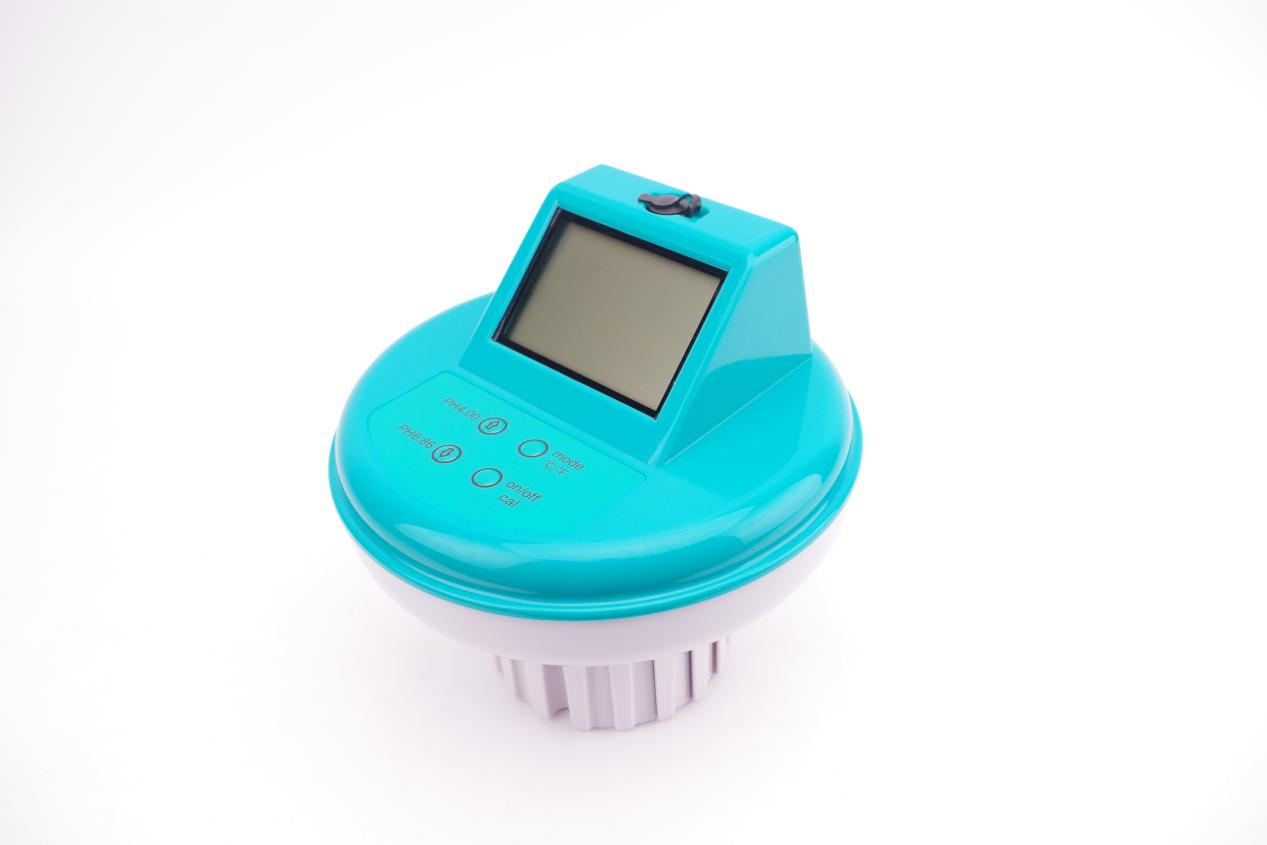
Large Naïve VHH Library | 卖方: AlpVHHs | Large Naïve VHH Library VHHare single-domain antibodies derived from the variable regions o... |
 |
PH-2398 pH/EC/ORP/温度 多参数测试仪 | 卖方: 科立龙电子股份有限公司 | 大显示,可同时进行水质PH、氧化还原电位、电导率、温度的测量; 带背光LCD显示清晰,功能齐全,精度高; 仪表采用微电脑测量与控制技术,具有自动校准功能,方便实用。 内置蓝牙,可以与电脑或... |
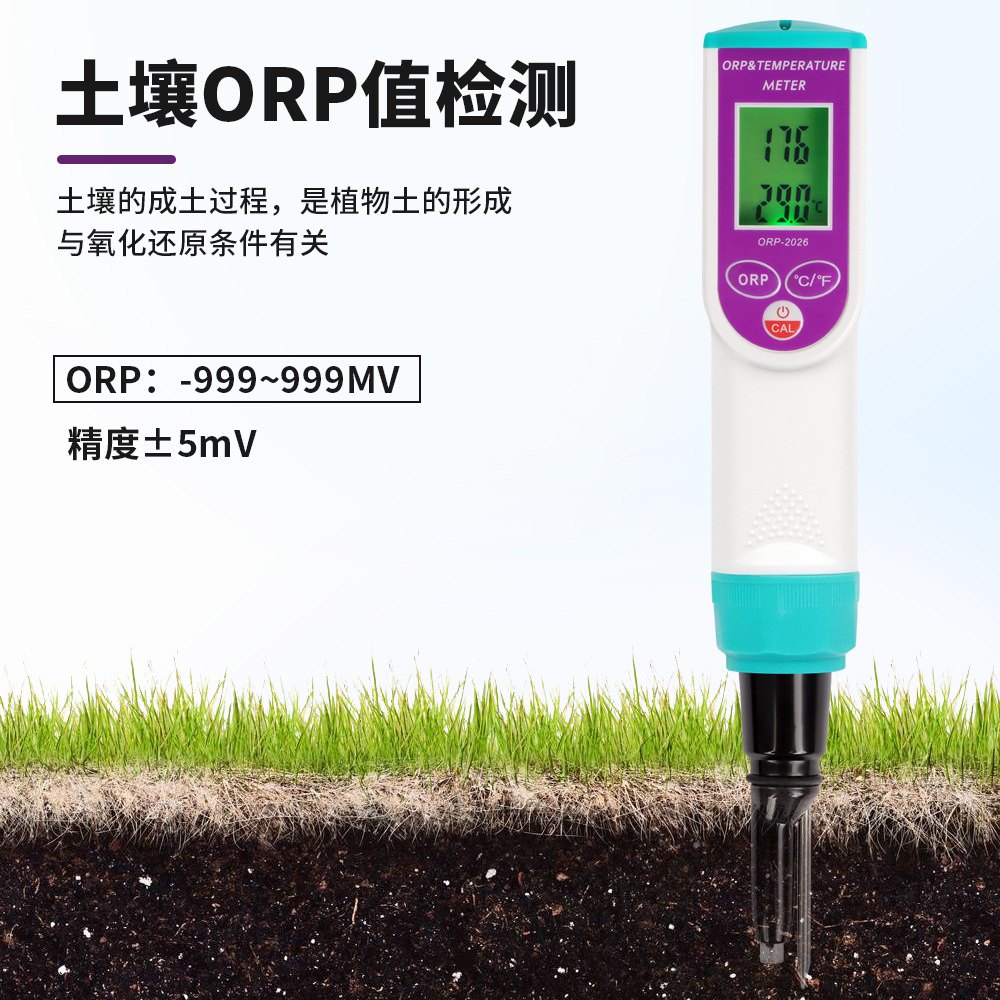 |
ORP-2026S 防水型 土壤ORP&温度 二合一测试仪 | 卖方: 科立龙电子股份有限公司 | 范围 ORP -999~999mV Temp 0~50℃ 分辨率 ORP 1mV... |
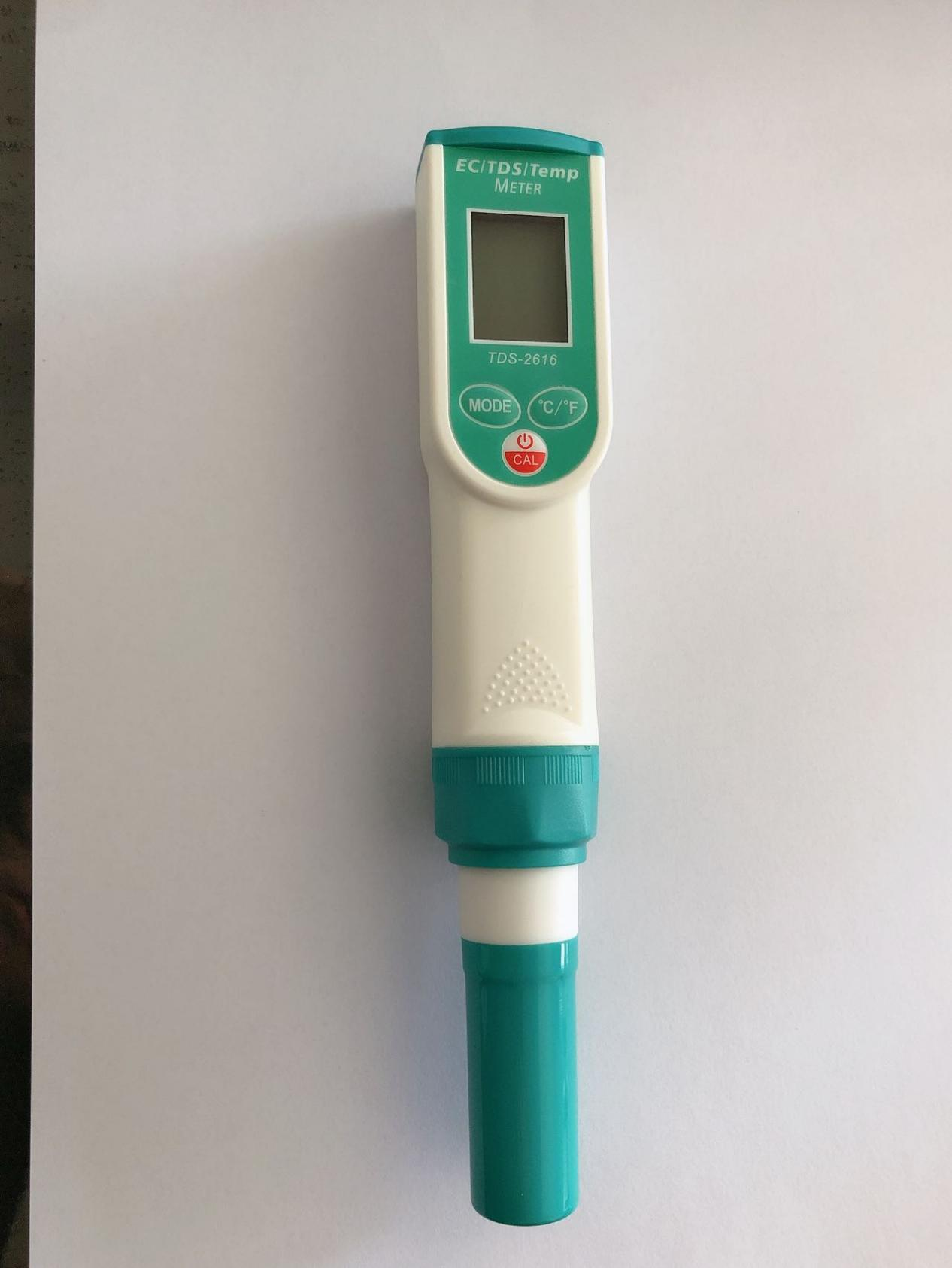 |
防水型 EC /TDS/温度三合一参数测试仪 | 卖方: 科立龙电子股份有限公司 | 范围 EC ~19.9mS TDS Temp 0~50℃ 分辨率 ... |

