

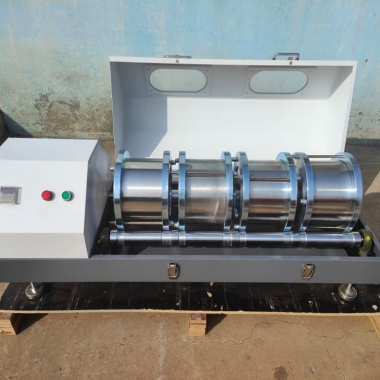
Deval abrasion testing machine

Whats/App: +86 156 1874 6768
Web: standard-groups.com
The Deval Abrasion Testing Machine is designed to measure the wear resistance of stones and aggregates under dry or wet conditions. It provides reliable evaluation of anti-friction and anti-impact properties, helping to assess aggregate quality for construction and engineering applications. The instrument is widely used in laboratories, quality control units, and research institutions for stone and aggregate testing according to both national and international standards.
Application
(1) Measurement of stone and aggregate wear resistance in highway, railway, and civil engineering projects.
(2) Evaluation of construction materials including crushed stone, gravel, and mineral aggregates for durability and impact resistance.
(3) Testing of decorative stone materials and natural stones for flooring, paving, and façade applications.
(4) Comparative study of dry versus wet abrasion resistance for aggregates.
(5) Quality control in aggregate production plants and laboratories.
(6) Material research and development in universities and research institutes focusing on stone and mineral durability.
Standards
(1) JTG 3432-2024: Aggregate Test Regulations for Highway Engineering, Ministry of Communications, China.
(2) NF P: French Standard for stone abrasion testing.
(3) NS EN : European Standard for mechanical and physical properties of aggregates.
(4) AASHTO T327-2012: Standard Test Method for Deval Abrasion of Coarse Aggregate.
(5) ASTM D6928-10: Standard Test Method for Abrasion Resistance of Coarse Aggregate (Deval Method).
(6) CSA A23.2-23A: Canadian Standard for Deval Abrasion of Aggregates.
(7) CSA A23.2-29A: Canadian Standard for Wear Testing of Aggregates.
(8) UNE 83115: Spanish National Standard for abrasion resistance of aggregates.
Features
(1) Standard Compliance: Fully complies with national, European, French, American, Canadian, and Spanish standards.
(2) Reliable Abrasion Testing: Measures stone and aggregate wear resistance under dry and wet conditions.
(3) High Precision Cylinder: Stainless steel cylinder ensures uniform abrasion and durability.
(4) Adjustable Testing Parameters: Cylinder revolution can be set from 0 to 999,999 revolutions with automatic stop.
(5) Easy Operation: Simple assembly and intuitive operation suitable for laboratory and field use.
(6) Durable Construction: Robust design ensures long-term stability and minimal maintenance.
Parameters
| Parameter | Specification |
|---|---|
| Power supply | AC 220V, 50Hz, 1kW |
| Stainless steel test cylinder | Inner diameter 200mm ±1mm, length 154mm ±1mm, wall thickness 3mm |
| Flat cover thickness | 8mm |
| Ball diameter | 10mm ±0.5mm |
| Cylinder speed | 100 r/min ±5 r/min |
| Cylinder revolution | 0–999,999 revolutions, adjustable with automatic stop |
| Test sample | Stones, aggregates, minerals |
| Operation mode | Dry and wet abrasion testing |
Accessories
(1) Stainless steel test cylinder
(2) Flat cover
(3) Steel balls (abrasion media)
(4) Power cable
(5) User manual
Test Procedures
(1) Place the stone or aggregate sample inside the stainless steel test cylinder.
(2) Add the specified number of steel balls to the cylinder.
(3) Secure the flat cover on the cylinder.
(4) Connect the machine to the power supply and set the desired cylinder speed and revolution count.
(5) Start the machine and allow the cylinder to rotate for the set number of revolutions.
(6) Upon completion, remove the sample and steel balls.
(7) Clean and dry the sample, then weigh it to calculate the abrasion rate.
(8) Record the results and compare with standard values for quality assessment.
Maintenance Information
(1) Regularly inspect the cylinder, cover, and steel balls for wear or damage.
(2) Clean the cylinder and balls after each test to avoid contamination.
(3) Check the motor and electrical connections periodically to ensure safe operation.
(4) Lubricate moving parts as needed according to the manual.
(5) Store the machine in a clean, dry environment when not in use.
(6) Follow safety protocols to avoid injury during operation and maintenance.
在线联系供应商
Other supplier products
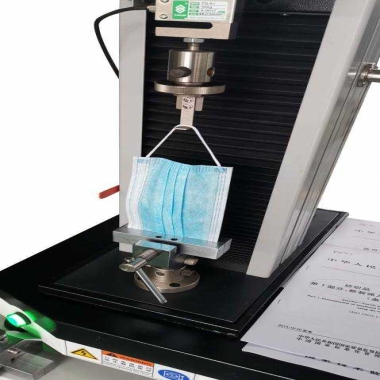 |
Face Mask Tensile Tester丨Face Mask Tensile Test machine | Whats/App: +86 156 1874 6768 Web: standard-groups.com Introduction: The test machine uses the integrated structure of the motor and the speed co... |
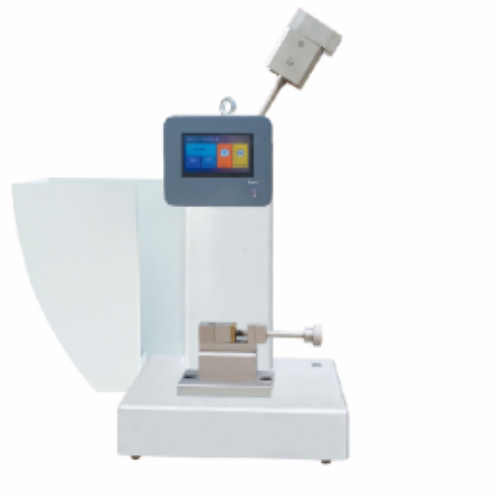 |
PLC liquid crystal touch impact testing machine (simple suspension) | Whats/App: +86 156 1874 6768 Web: standard-groups.com A PLC LCD Touch Impact Testing Machine (Simple Suspension) is a type of pendulum impact tes... |
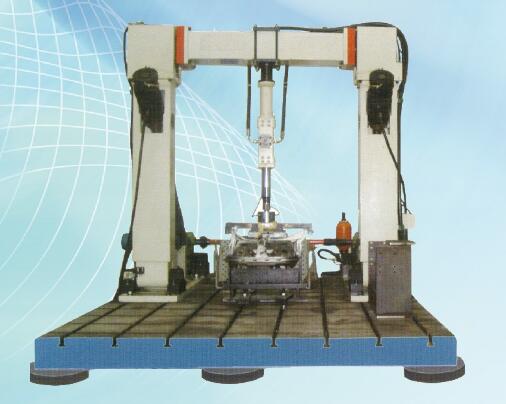 |
Car seat fatigue tester | Whats/App: +86 156 1874 6768 Web: standard-groups.com The Car Seat Fatigue Tester is a dedicated durability testing system used to evaluate the l... |
 |
Walk-In Thermal Comfort Environmental Chambe | Whats/App: +86 156 1874 6768 Web: standard-groups.com Standards Internal compliance with laboratory safety and electrical standards. Temperatur... |
 |
EN sole bending tester | Whats/App: +86 156 1874 6768 Web: standard-groups.com The EN Sole Bending Tester is designed to assess the bending resistance and zigzag durabili... |
Same products
 |
Large Naïve VHH Library | 卖方: AlpVHHs | Large Naïve VHH Library VHHare single-domain antibodies derived from the variable regions o... |
 |
PH-2398 pH/EC/ORP/温度 多参数测试仪 | 卖方: 科立龙电子股份有限公司 | 大显示,可同时进行水质PH、氧化还原电位、电导率、温度的测量; 带背光LCD显示清晰,功能齐全,精度高; 仪表采用微电脑测量与控制技术,具有自动校准功能,方便实用。 内置蓝牙,可以与电脑或... |
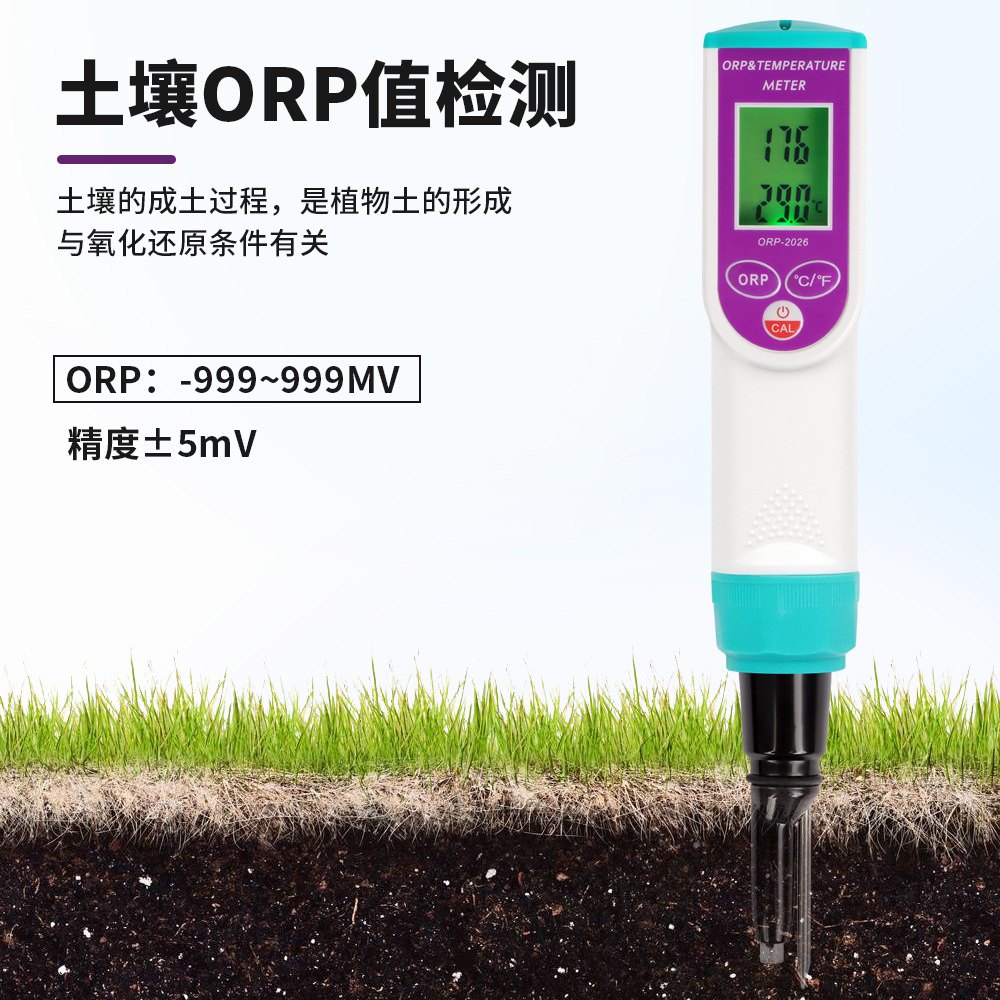 |
ORP-2026S 防水型 土壤ORP&温度 二合一测试仪 | 卖方: 科立龙电子股份有限公司 | 范围 ORP -999~999mV Temp 0~50℃ 分辨率 ORP 1mV... |
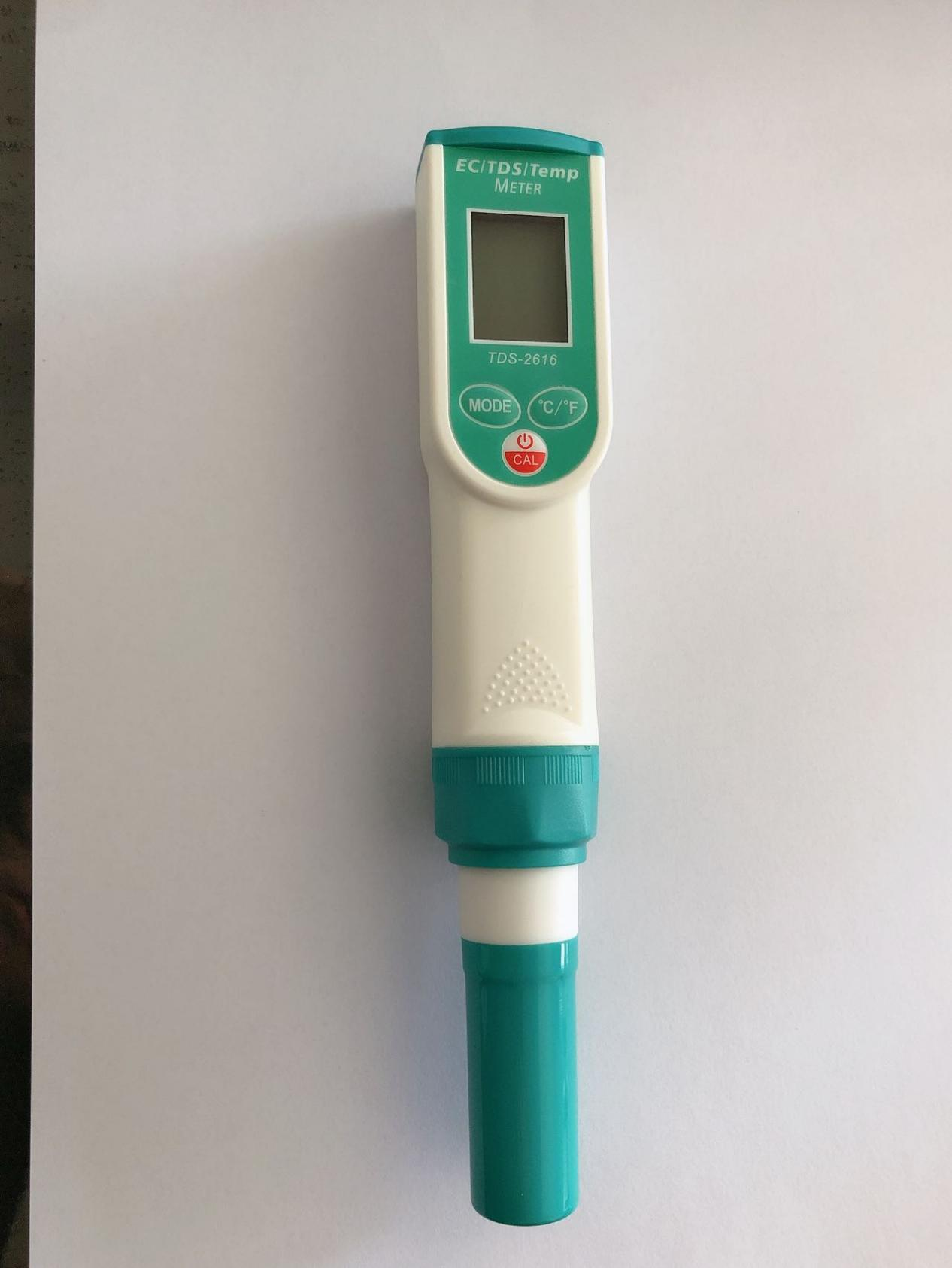 |
防水型 EC /TDS/温度三合一参数测试仪 | 卖方: 科立龙电子股份有限公司 | 范围 EC ~19.9mS TDS Temp 0~50℃ 分辨率 ... |
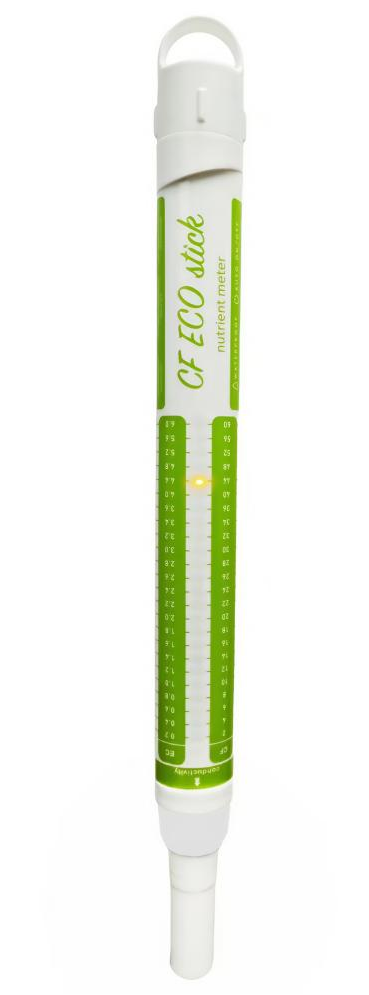 |
EC-98330 电导率营养测试棒 | 卖方: 科立龙电子股份有限公司 | 本营养测试仪适用于水培和农业应用,能够准确测量水中的营养液电导率(EC)单位为mS/cm,以及总溶解固体(TDS)转换为百万分之一(ppm)。 适合需要较高EC值的植物,该测试仪具有高达6.0... |

