

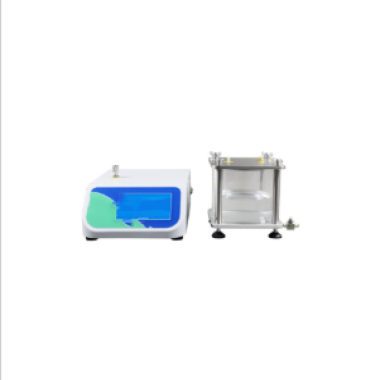
Pressure Transmission Flow Meter Test Instrument

Whats/App: +86 156 1874 6768
Web: standard-groups.com
The Pressure Transmission and Flow Tester is widely used in multiple fields and is mainly used to test the pressure transmission and flow performance in fluid systems.
Applications
- Fluid System Performance Evaluation: The Pressure Transmission and Flow Tester can be used to evaluate the pressure transmission efficiency and flow characteristics of fluid systems under specific conditions, ensuring that the systems can meet the design and usage requirements.
- Product Quality Control: During the manufacturing process, this tester can be used for quality inspection of fluid system components (such as pipelines, valves, sensors, etc.) to ensure that product quality complies with relevant standards and regulations.
- Fault Diagnosis and Maintenance: By testing the pressure and flow data of fluid systems, it can help diagnose faults in the systems and provide a basis for the repair and replacement of faulty components.
- Research, Development and Optimization: In the design, research and development process of fluid systems, the tester can be used to test the effects of different design or improvement schemes, providing data support for optimizing system performance.
Standards
The design and manufacture of the Pressure Transmission and Flow Tester need to comply with relevant industry standards and technical specifications to ensure the accuracy and reliability of test results. Common compliance standards include, but are not limited to: GB/T 19335 - 2022 General Technical Requirements for Disposable Blood - path Products, etc.
Features
• The instrument has three test modes: pressure transmission performance, blood occlusion, and puncture device flow rate.
• Equipped with a dual-sensor, vacuum generator, and precise pressure testing system, the testing accuracy is significantly improved.
• Embedded high-speed microcomputer chip control and a simple and efficient human-machine interface provide users with a comfortable and smooth operating experience.
• Equipped with a precision pressure regulating valve for high-precision pressure range adjustment.
• A 7-inch color touch screen combined with intelligent data processing functions provides users with a comfortable and smooth operating experience.
• Simple and intuitive operation interface, convenient user-defined test functions, and comprehensive data analysis and reporting functions.
• Simple and convenient operation process, a brand-new UI interface design, and an intuitive operation interface greatly enhance the user experience.
• Automatic result determination and printable test data.
• Supports quick viewing and printing of historical data.
• The instrument comes with a built-in miniature printer and powerful data storage capabilities, storing up to 50.000 data entries.
• Equipped with a standard RS232 communication port for convenient external connection and data transmission between the system and a computer.
• Energy-saving and environmentally friendly design, aesthetically pleasing appearance, and ultra-low power consumption power supply meet national energy-saving and environmental protection requirements.
Technical Parameters
| Serial No. | Parameter Item | Parameter Details |
|---|---|---|
| 1 | Testing Range (Pressure) | 0 - 10 KPa (standard configuration); customizable according to actual needs |
| 2 | Testing Range (Flow) | Depends on specific model and configuration; usually covers a wide flow range |
| 3 | Accuracy (Pressure Testing) | 0.5%FS (full-scale error); ensures the accuracy of test results |
| 4 | Accuracy (Flow Testing) | Depends on specific model and configuration; meets high-accuracy requirements |
| 5 | Air Source Pressure | ≤0.7 MPa (user-provided); ensures the normal operation of the tester |
| 6 | Air Source Interface | Φ8 mm polyurethane tube or other standard interfaces; facilitates air source connection |
| 7 | Power Supply | Voltage and frequency vary by model; supports wide voltage range (adapts to different regional electrical standards) |
| 8 | External Dimensions | Main unit: 300 mm(L)×410 mm(W)×150 mm(H) (varies by model); easy to place and operate |
| 9 | Weight | Moderate; easy to carry and move |
| 10 | Other Functions (Data Recording & Storage) | Real-time data recording and storage; convenient for subsequent analysis and processing |
| 11 | Other Functions (Display & Operation Interface) | Color touch-screen interface; supports Chinese-English switching (or other languages); clear and easy to operate |
| 12 | Other Functions (Automatic Calibration & Fault Diagnosis) | Some models have automatic calibration (ensures test accuracy) and fault diagnosis (facilitates timely problem detection/resolution) |
Accessoriess
Standard configuration: Main unit, miniature printer, air supply connection pipe, hydraulic leak-proof device
Note: The air source interface of this machine uses an 8mm polyurethane tube; the air source must be provided by the user.
Test Procedures
1. Preparation Before Operation
Equipment and Environment Check:
Confirm that the instrument's power supply (wide voltage adaptable) and gas line interfaces (Φ8mm polyurethane tubing) are in normal condition; place the equipment on a ventilated, temperature-stable (20±5℃) workbench, ensuring no airflow interference.
Sample and Consumable Preparation:
Prepare the fluid system components to be tested (e.g., pipes, valves, sensors), ensuring the components are clean and undamaged; prepare a suitable gas source (provided by the user, pressure ≤0.7MPa).
Standard Matching:
Confirm the standards that the test needs to comply with, and clarify the pressure and flow rate test indicators.
2. Equipment Calibration
Start the instrument and access the "Calibration Interface" via the color touch screen;
Perform automatic calibration of the pressure sensor (according to 0.5% FS accuracy requirements) and flow module (supported by some models), or perform manual calibration using a standard pressure/flow source to ensure test accuracy.
3. Parameter Settings
Select the corresponding standard on the touch screen interface;
Set test parameters:
Pressure test range: Default 0-10KPa (customizable as needed);
Flow rate test range: Match the actual flow rate range of the component under test;
Test duration: Set the continuous test cycle according to the component characteristics.
4. Sample Installation
Connect the fluid components to be tested (e.g., pipes, valves) to the input/output terminals of the instrument via standard gas line interfaces (Φ8mm polyurethane tubing);
Check the connection for airtightness (to avoid air leaks affecting test results), ensuring the components are securely installed and not twisted.
5. Test Execution
After confirming that the parameters and sample installation are correct, click "Start Test";
The instrument automatically runs according to the set parameters: controlling the gas source pressure transmission, synchronously collecting flow rate data, and recording indicators such as pressure transmission efficiency and flow characteristics in real time;
Monitor the data curve via the touch screen during the test. If any abnormalities occur (e.g., pressure/flow rate fluctuations exceeding limits), the test can be paused to troubleshoot the problem.
6. Data Processing and Report Generation
After the test is completed, the instrument automatically stores the real-time data;
Export a test report containing "pressure transmission data, flow characteristic curves, and compliance with standard judgment" for:
Fluid system performance evaluation: verifying whether the system meets design/usage requirements;
Product quality control: checking whether the component quality meets industry standards.
7. Post-Test Maintenance
Disconnect the air supply and power, remove the tested component, and clean any remaining impurities from the air circuit connections;
Record the instrument's operating status, and regularly re-check and calibrate it to ensure long-term stable operation of the equipment.
在线联系供应商
Other supplier products
 |
Bench-top Strength Tester for Lead - end of Photovoltaic Modules | Whats/App: +86 156 1874 6768 Web: standard-groups.com The Strength Tester for Lead-End of Photovoltaic Modules is designed to evaluate the mechan... |
 |
Computer Controlled Torque Rheostat Tester | Whats/App: +86 156 1874 6768 Web: standard-groups.com The Computer Controlled Torque Rheostat Tester simulates industrial mixing on a lab scale. ... |
 |
Abrasive Wear Test Apparatus | Whats/App: +86 156 1874 6768 Web: standard-groups.com Standard ASTM G65 - 04 GB/T 3960-1983 Main Purposes The wet - type rubber wheel abrasiv... |
 |
American European bending tester | Whats/App: +86 156 1874 6768 Web: standard-groups.com Test Purpose: To determine if metal wires in children's products bend or break under stres... |
 |
Electrochemical Corrosion and Wear Testing Machine | Whats/App: +86 156 1874 6768 Web: standard-groups.com Electrochemical corrosion and wear testing machines are widely used in materials science, m... |
Same products
 |
KL‑016A Benchtop High‑precision pH Meter | 卖方: 科立龙电子股份有限公司ctron Co.Ltd | Product Description: Large‑screen display with high resolution and precision for con... |
 |
Large Naïve VHH Library | 卖方: AlpVHHs | Large Naïve VHH Library VHHare single-domain antibodies derived from the variable regions o... |
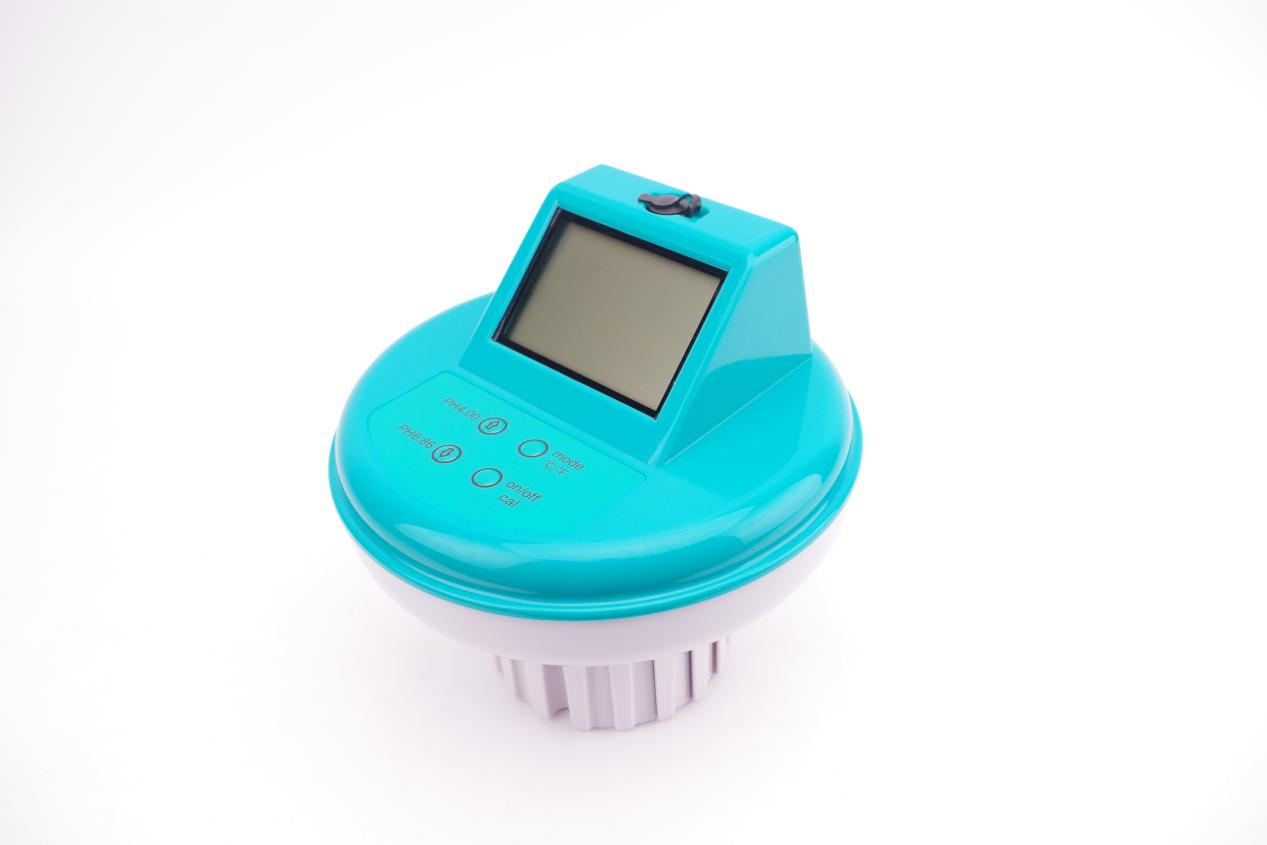 |
PH-2398 pH/EC/ORP/温度 多参数测试仪 | 卖方: 科立龙电子股份有限公司 | 大显示,可同时进行水质PH、氧化还原电位、电导率、温度的测量; 带背光LCD显示清晰,功能齐全,精度高; 仪表采用微电脑测量与控制技术,具有自动校准功能,方便实用。 内置蓝牙,可以与电脑或... |
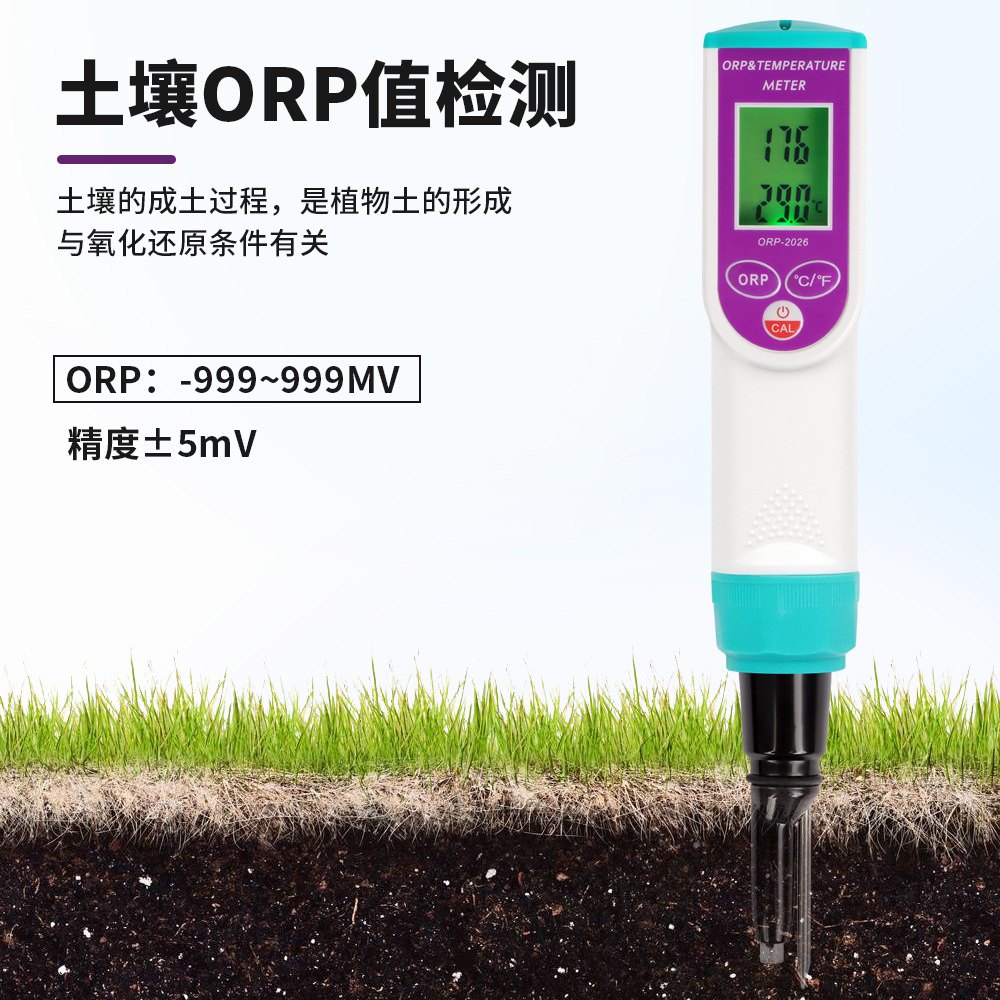 |
ORP-2026S 防水型 土壤ORP&温度 二合一测试仪 | 卖方: 科立龙电子股份有限公司 | 范围 ORP -999~999mV Temp 0~50℃ 分辨率 ORP 1mV... |
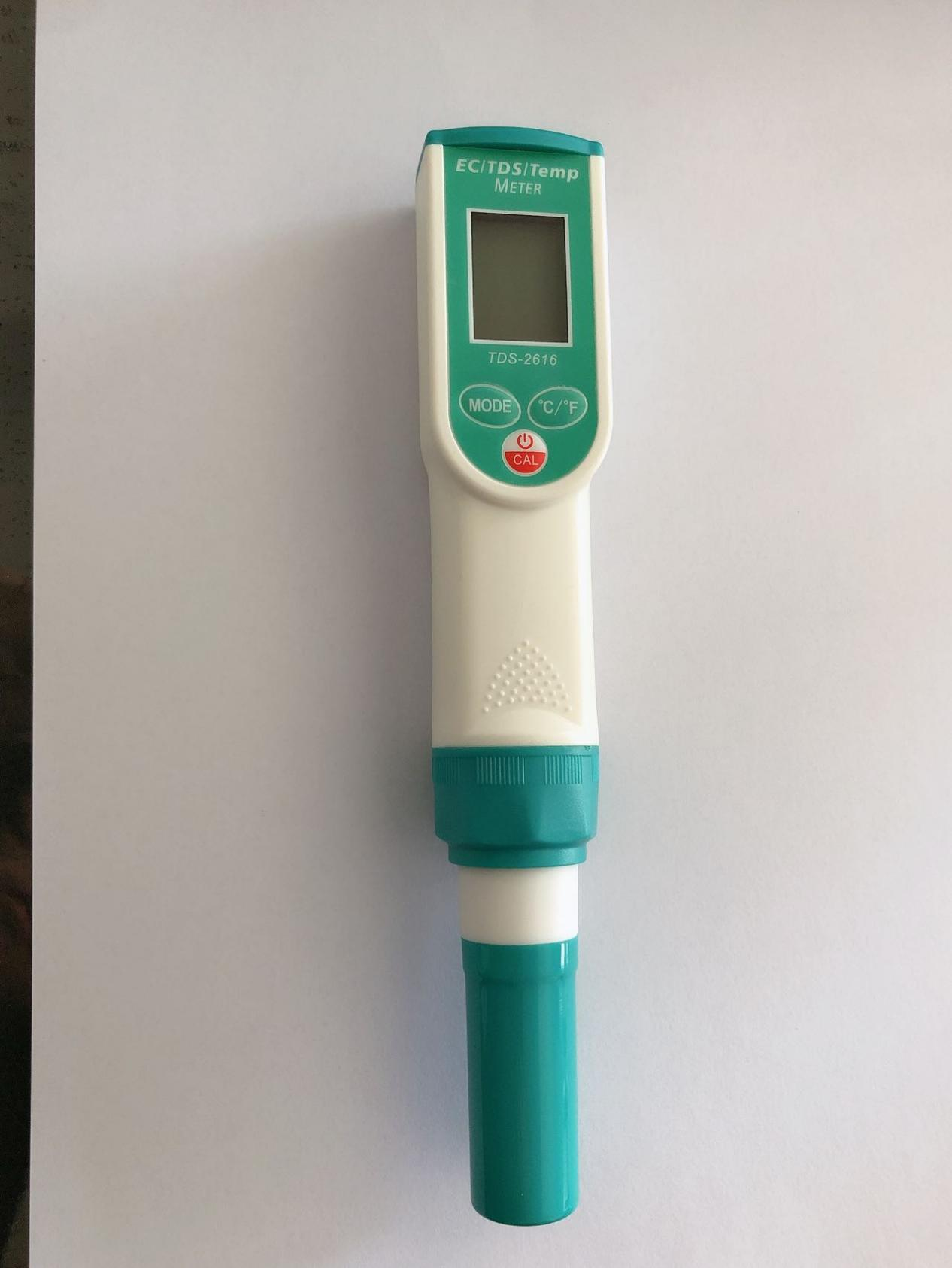 |
防水型 EC /TDS/温度三合一参数测试仪 | 卖方: 科立龙电子股份有限公司 | 范围 EC ~19.9mS TDS Temp 0~50℃ 分辨率 ... |

