

Beam Expander

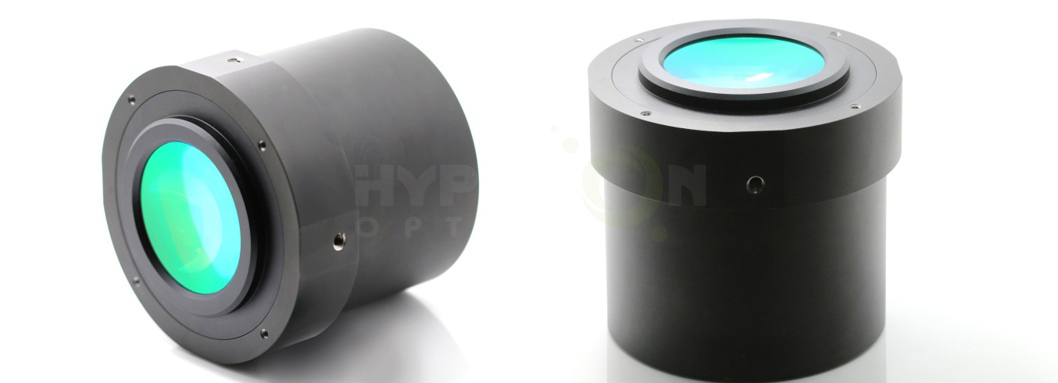
Beam Expander
Leave A Message!
Beam expansion
Laser beam expansionor reduction is a common application requirement in most labs using lasers or light sources and optics. Users always find there are so many off-the-shelf galilean beam expander, however, hard to find one exactly fit their needs in terms of spectral range or expansion ratio. In most cases, the plug and play solution may not be the answer.
Hyperion Optics helps customers with their unique expander
Hyperion Optics helps customers with their unique expander development project, from optical design, mechanical design and responsible for the application performance. It is critical to communicate with our engineers your input and output beam diameter ratio requirement. For simple expanders, such as telescopes, consists of two lenses, the magnification of a 2 lens system is equal to the ratio of the focal lengths of the lenses, which is also equal to the ratio of the radii of curvatures of the lenses.
unique expander for sale
M= the magnification of the beam expander
F2= effective focal length of exit lens
F1= effective focal length of entry lens
R2= radius of curvature of exit lens
H2=radius of exit spot (image height)
H1=radius of entry spot (object height)
At Hyperion Optics, we offer rapid optical design and prototyping, in most expander cases, we offer 6 weeks delivery, means when we study your application, expansion ratio and input output parameters, we are able to deliver assembled expander within 6 weeks. Or we can work on your existing off-the-shelf solution to improve your application’s performance.
We also offer off-the-shelf expanders, please refer to following products for your requirement, or contact our engineer for further information.
If you want to know more about hyp design, please contact us.
在线联系供应商
Other supplier products
 |
Services | Bioanalytical Service Bioanalytical Service for Small Molecule Drugs and Metabolites, Large Molecules – Peptides and Proteins, etc. LCMSMS Q... |
 |
Achromatic Cylindrical Lenses | Achromatic objective lensare ideal for eliminating spherical and chromatic aberration at the image plane, for example using monochromatic light sou... |
 |
Germanium lenses | germanium lenses In the range of 2-12 μm, germanium is the most commonly used material for the production of spherical lenses and windows for h... |
 |
Asphere Lenses | The complex surface profile of an asphere can significantly reduce or even eliminate spherical aberrations comparing to spherical lenses. Hence, as... |
 |
Diffractive Optical Elements | Diffractive Optical Elements (DOEs) have complex microstructural surfaces to manipulate (or “shape”) and split laser beams in an energy... |
Same products
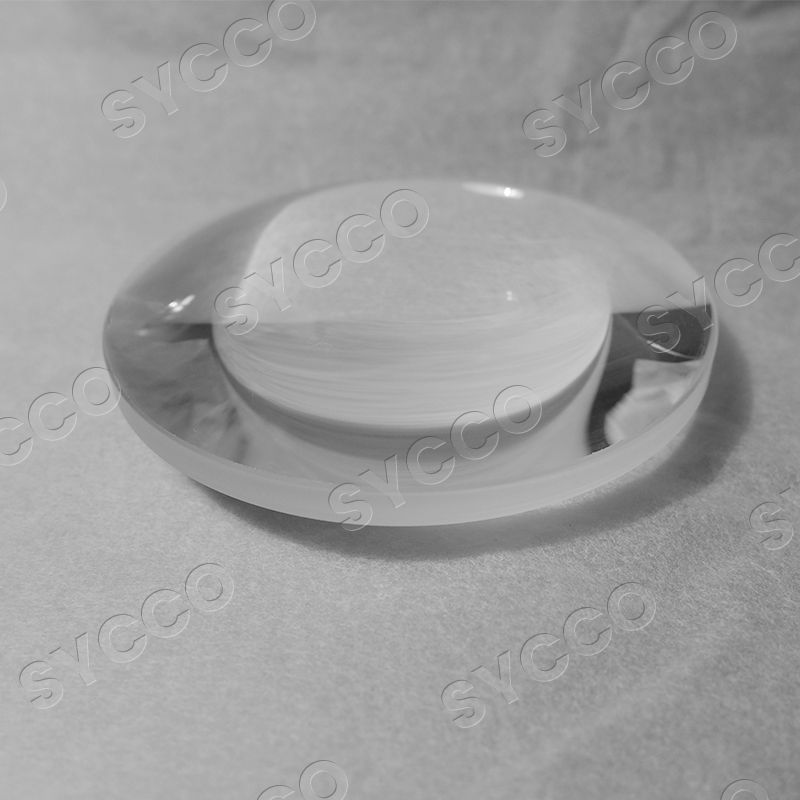 |
Double Convex Lenses | 卖方: Shandong Yanggu Constant Crystal Optics, Inc | Double Convex Lensesare used in image relay applications, or for imaging objects at close conjuga... |
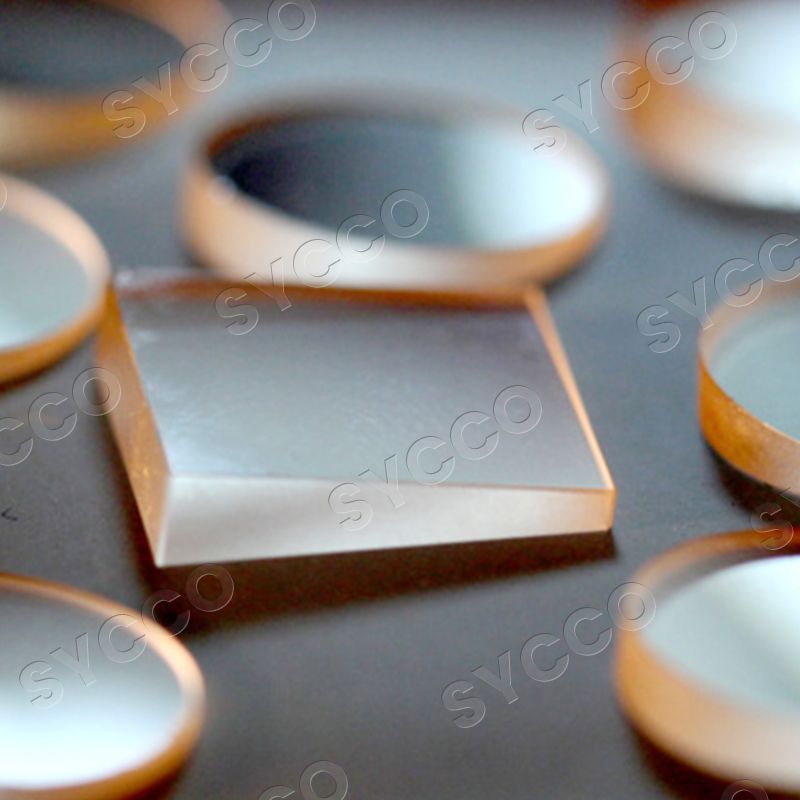 |
Wedge Prism | 卖方: Shandong Yanggu Constant Crystal Optics, Inc | Wedge prismis an optical element with plane-inclined surfaces, usually the faces are inclined tow... |
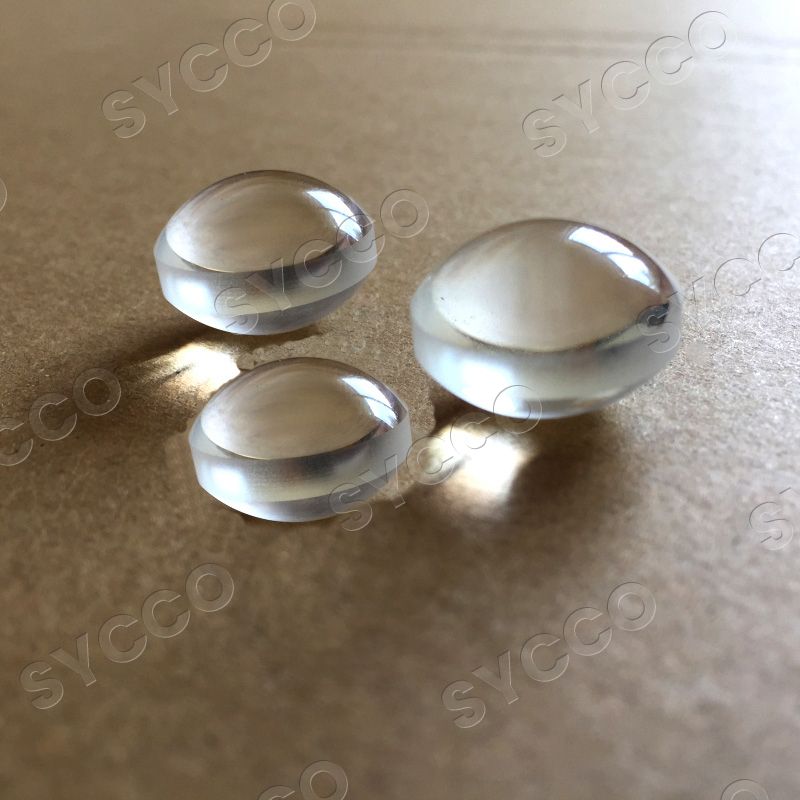 |
Ball Lenses | 卖方: Shandong Yanggu Constant Crystal Optics, Inc | Ball Lensesare commonly used to improve signal quality in fiber coupling applications, or for use... |
 |
Optical Brightener OB-1 (OBA 393) | 卖方: Jinan Ogilvy Chemical Co., Ltd | Chemical Name: 2-[(Ethylsulfanyl)methyl]phenyl methylcarbamateC.I.: 393CAS: 1533-45-5Molucular Fo... |
 |
Optical Dove Prisms | 卖方: Changchun Long Ze Precision Optics Co., Ltd | A Optical Dove prismis a truncated version of a right-angle prism, used as a reflective prism inv... |

