

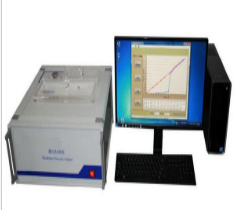
GMA Ultra-filtration Membrane Porometers ISO 4003-1990 ASTM F316-2003

Standards:
ASTM F316-2003. ASTM D6767-2002. ASTM E1294-1999. ISO 4003-1990. GB/T 14041.1-2007. HY/T 051-1999. HY/T 064-2002
Applications:
Based on the principle of liquid-liquid replacement method, the instrument realizes automaticdatacollection, analysis and calculation through an integrated system, and is suitable for measuringthepore size distribution of ultra-filtration membranes and micro-filtration membranes. The liquidfluxof the membrane is calculated from the trans-membrane pressure and the corresponding liquidflowrate. With the rapid development of the membrane industry, the membrane pore size and fluxanalyzerwill become a necessary professional instrument for colleges and universities, scientific researchinstitutes, production enterprises, environmental protection, measurement, quality inspectionandother related units. , metal and other membrane materials, product development, productionqualitycontrol, use failure.
Product Information:
Technical Specifications:
2.1 Dimension: 480*420*230
2.2 Working medium: water, organic solvent
2.3 Flow: 0-10mL/min
2.4 Working pressure: 0-1Mpa
2.5 Aperture measuring range: 8nm-200nm
2.6 Pipeline interface: 8mm
2.7 Weight: 20kgs
2.8 Environment temperature (℃) :4 ~ 40;
Aperture test range:
0.08~ 500um According to the basic principle of the liquid-liquid exclusion method, the pores of the membrane arefilledwith wetting liquid, and another liquid incompatible with it is used as the osmotic hydraulic pressure toenterthe pores of the membrane. The larger the value, the easier it is for the wetting fluid to be dischargedbythepermeate, that is, the largest pores are first opened by the permeate. In the same way, the channel that isfinally opened is the smallest, and the diameter of the channel can be calculated fromthe openingpressure. Calculated as follows.
where d is the pore size, γ is the interfacial tension between the wetting fluid and the permeate, θ is the contact angle between the wetting fluid and the membrane material, and P is the opening pressureThrough the corresponding relationship between the permeate flow and pressure, the pore size distributionof the membrane material can be calculated according to the mathematical model.
![]() Reference standard:
Reference standard:
ASTM F316-2003 Standard Test Methods for Pore Size Characteristics of Membrane Filters by BubblePoint and Mean Flow Pore Test;
ASTM D6767-2002 Standard Test Method for Pore Size Characteristics of Geotextiles by CapillaryFlowTest;
ASTM E1294-1999 Standard Test Method for Pore Size Characteristics of Membrane Filters UsingAutomated Liquid Porosimeter;
ISO 4003-1990 Permeable sintered metallic materials - Determination of pore size ;
GB/T 14041.1-2007 Hydraulic transmission, filter element, verification of structural integrityanddetermination of initial bubble point;
HY/T 051-1999 Test method for hollow fiber microporous membrane;
HY/T 064-2002 Test method for tubular ceramic microporous membrane
Function:
Main functions of membrane pore size and flux analyzer: maximum pore size, average pore size, poresizedistribution, pure water or other liquid flux.
(1) The maximum pore size increases with the increase of the permeate pressure. When a stable permeateflow rate begins to be detected, it means that the first channel (ie, the largest channel) is opened. Thepressure value at this time can be calculated by entering the above formula. maximumaperture. Thisinstrument adopts a high-precision flow detector, which can automatically determine and measurethemaximum aperture.
(2) As the average pore size increases with the pressure of the permeate, accurately measure the relationshipbetween the permeate flow and pressure (commonly known as the "wet curve"). When the wettingliquidiscompletely removed, slowly reduce the permeate pressure and accurately measure the permeate again. Curveversus pressure (commonly known as "dry curve"). Divide the ordinate value of the "dry curve" datapointby 2 to obtain a new set of data points, and draw the curve, which is commonly known as the "semi-drycurve". The average pore size can be calculated according to the pressure corresponding to the intersectionof the "semi-dry curve" and the "wet curve", as shown in the example below. The average pore sizethuscalculated is also known as the "flux median pore size", that is, the pore size above and belowthis poresizecontribute half to the membrane flux.
(3) Pore size distribution By comparing the difference between the "wet curve" and the "dry curve", theporesize distribution of the membrane material can be obtained by calculating with a certain mathematical model,and the pore size distribution diagram and the cumulative pore size distribution diagramare drawnbythecalculation software.
(4) Pure water flux Using pure water as the permeable medium, and accurately measuring the relationshipbetween water flow and pressure, the pure water flux F can be calculated:
Among them, Q is the flow rate of pure water, A is the membrane area, and P is the pressure.
(5) Liquid flux In addition to pure water, the instrument can also measure the permeation fluxof otherliquids, the method is the same as above
在线联系供应商
Other supplier products
 |
Environmental stress cracking testing machine/ ESCR Test Machine / Polymer Stress Cracking Resistance Tester | Standard ASTM D1693: Exclusively designed for bending beam and constant load tests on polyethylene and other thermoplastics. ISO 22088-3: Confi... |
 |
Spinal Internal Fixation Components System Tester | Standard YY/T 0961-2014 (China): Specifies static/fatigue testing protocols for spinal fixation systems, including connection integrity and anti... |
 |
HapLog Finger Tactile Sensor | Content HapLog sensor is a “sensor that measures natural finger operations” with a built-in contact force sensor and a 3-axis accele... |
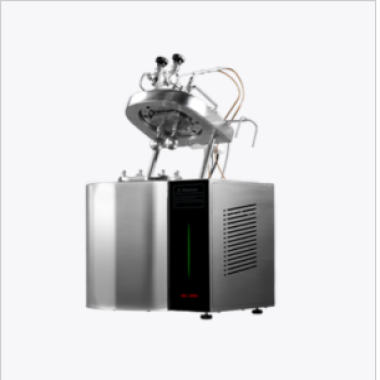 |
Rapid screening Calorimeter | Product Introduction: The rapid - screening calorimeter is a professional calorimetric instrument for the quick assessment of reaction thermal haz... |
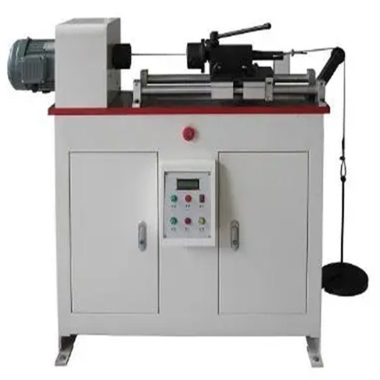 |
Metal Wire Wrap Tester | According to the criteria: GB/T 2976 "Wire winding test method for Metal Materials" ISO 4101 Cold drawn steel wire for elevator wire ropes - Tech... |
Same products
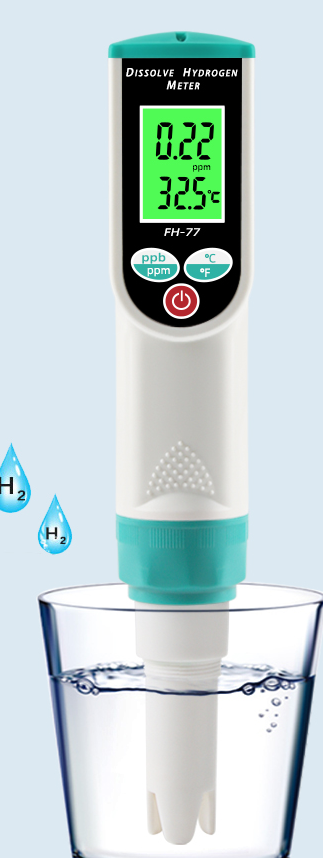 |
FH-77富氢测试笔 | 卖方: 科立龙电子股份有限公司 | 产品说明: 用于测量氢气水(富氢水)和氢气水发生器的溶解氢含量。 特征: 1、电极更换方便 智能、携带方便、操作方便、实用; 产品广泛应用于食品、环卫、地质勘探、冶金、地表水、 ... |
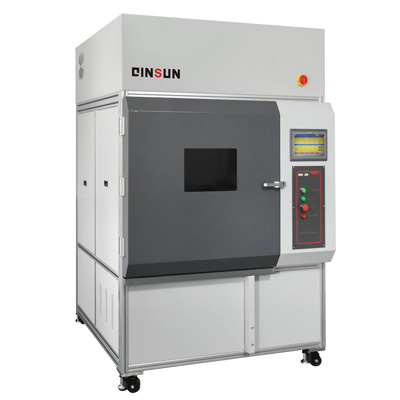 |
Xenon Arc Weather Ometer | 卖方: Standard Group (Hong Kong) Limited | Get a quote: Whats/App: +86 181 0160 0864 SI4000Xenon Arc Weather Ometer utilizes a xenon lamp ... |
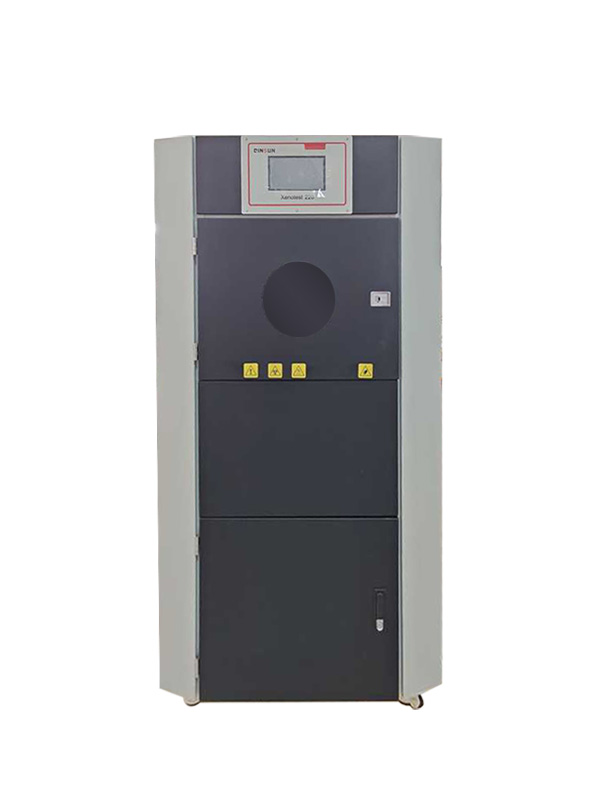 |
Xenotest | Light Fastness Tester Si220 (SunTest) | 卖方: Standard Group (Hong Kong) Limited | Get a quote: Whats/App:+86 180 0160 0864 A Light Fastness Tester, or Xenon Tester, Accelerated ... |
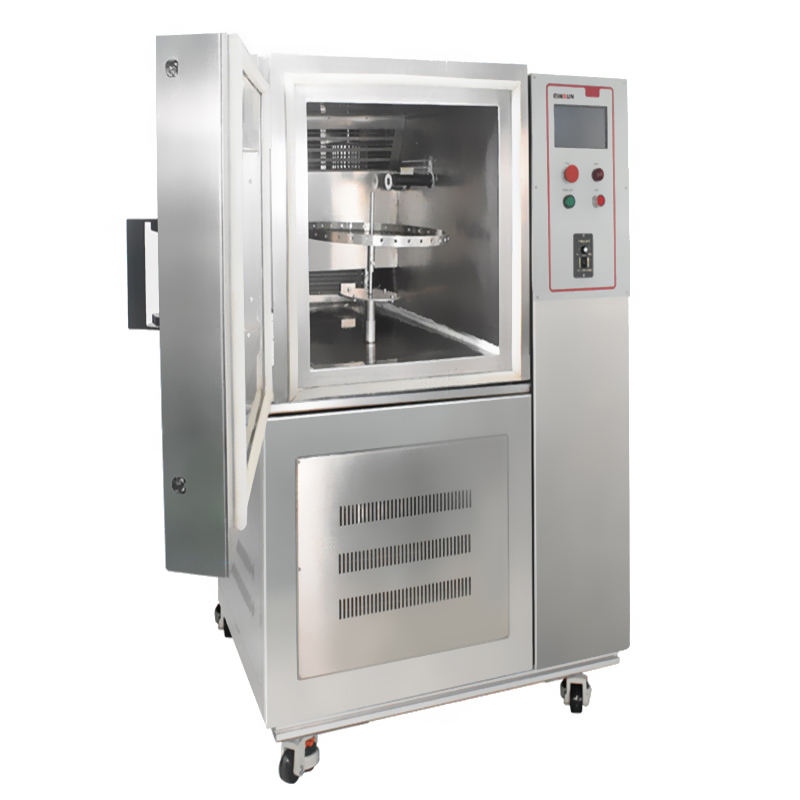 |
Ozone Aging Chamber | 卖方: Standard Group (Hong Kong) Limited | Get a quote: Whats/App:+86 156 1874 6768 The Ozone Aging Chamber is a precision testing instrum... |
 |
Plastic Smoke Density Tester F313 | 卖方: Standard International Group (HK) Limited | Whats/App: +86 156 1874 6768 Web: standard-groups.com The F313 Plastic Smoke Density Tester is ... |

