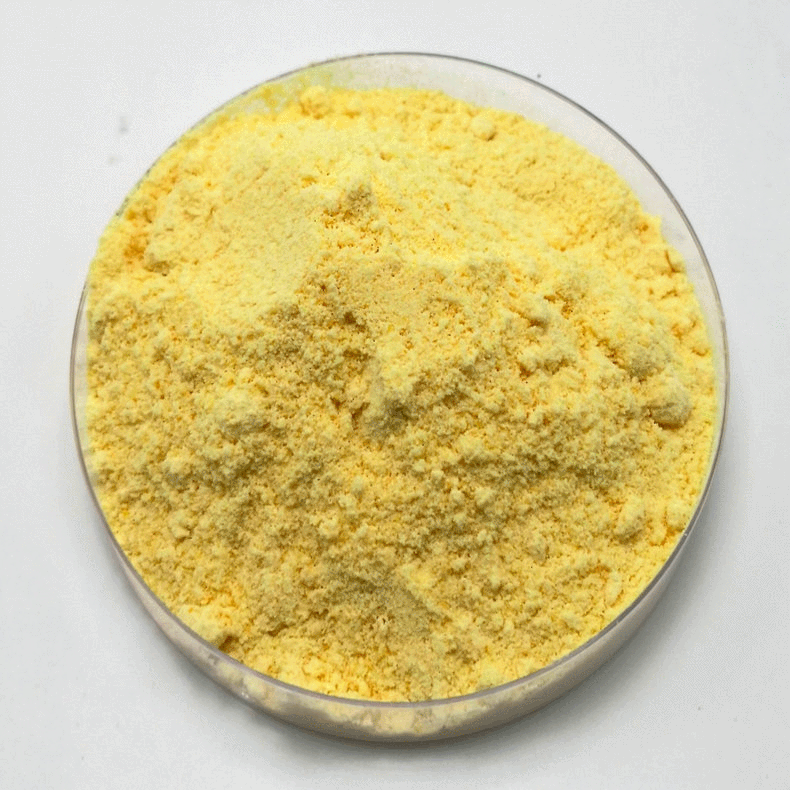
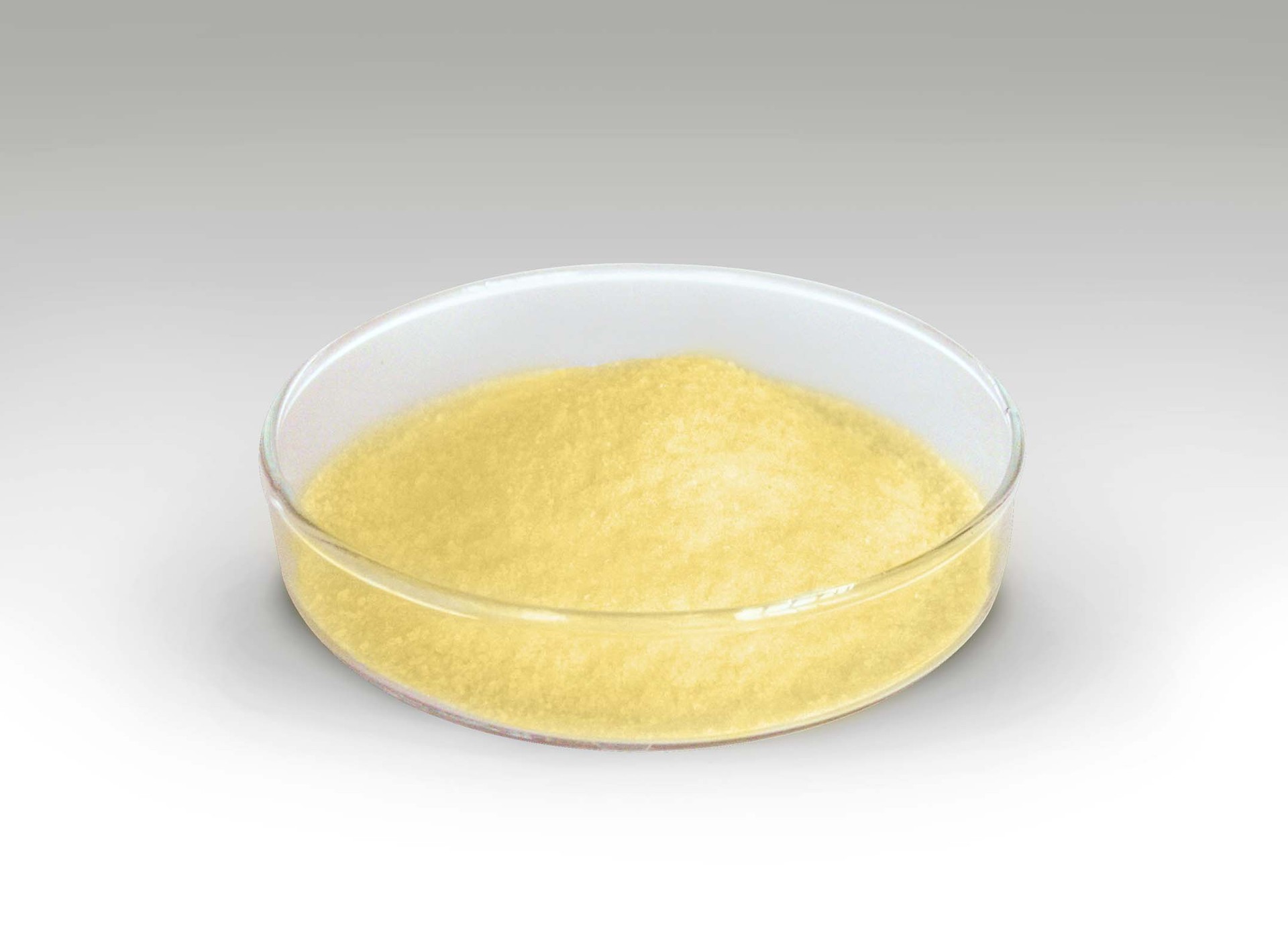
High quality Phosphatidylserine Intake

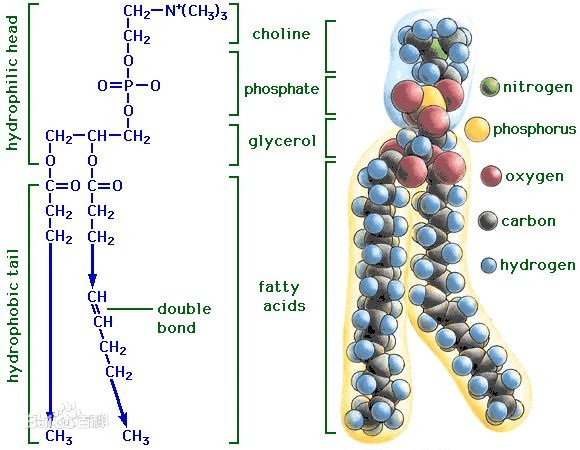
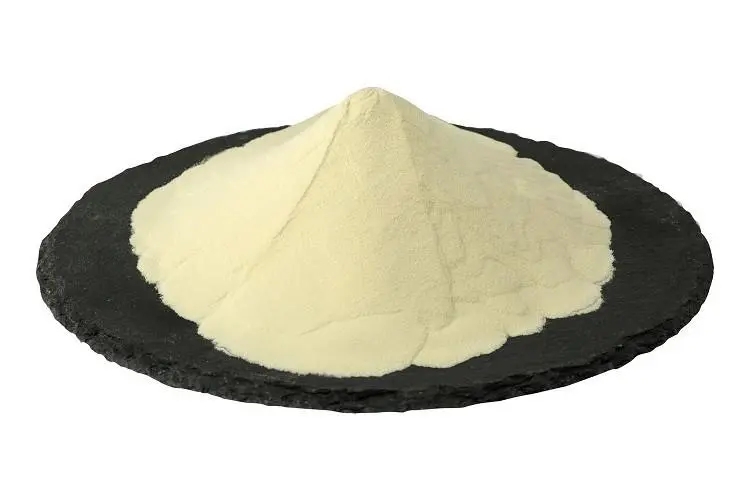
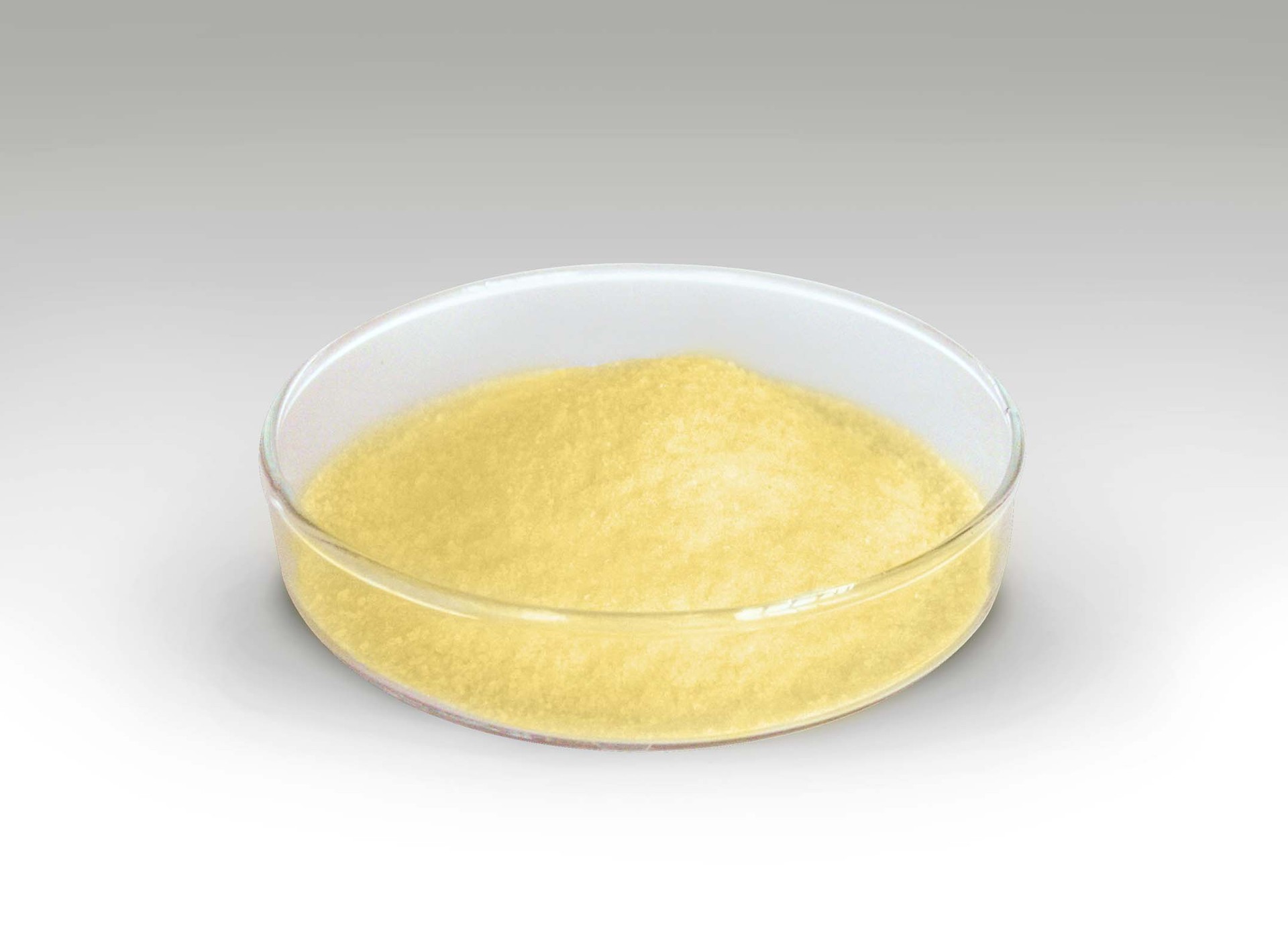
Jordi Folch, a young neurochemist at Harvard University in the United States, extracted phosphatidylserine powder from the brains of cows in 1942. It is mainly found in brain cells and is an active substance in cell membranes.
Phosphatidylserine is also found in meat, fish, and breast milk, where it is found at higher levels in the brain or internal organs such as the liver and kidneys, and at very low levels in dairy products and vegetables (except soy).
With the change in modern dietary habits and the improvement of awareness of healthy food, the consumption of phosphatidylserine has increased, while the amount of phosphatidylserine added has been decreasing. Moreover, the reduction of phosphatidylserine content in modern industrialized oil and fat products further reduces the daily intake of phosphatidylserine of normal people. Generally speaking, if the diet is high in meat and fish content, The intake of phosphatidylserine is about 180 mg/day; Consume less than 100 mg or even less than 50 mg a day on a low-fat diet. According to statistics, the difference between the daily intake of phosphatidylserine and the normal requirement of normal people is between 70 and 150 mg, especially for vegetarians, the difference is as high as 200 to 250 mg. For the above reasons, normal people need to supplement 100 to 300 mg of pure phosphatidylserine every day. This is more important for vegetarians, people on low-fat or cholesterol diets, and the elderly. In addition, some other eating habits can lower the amount of phosphatidylserine in the brain.
Other supplier products
|
|
Phospholipid in Meat & Aquatic Products |
Phospholipid in Meat & Aquatic Products (Sausages, Ham, Fish Balls) Core purpose: Retain moisture (reduce cooking loss) and improve tenderness.... |
|
|
Phospholipid Supply price |
The phosphate head group of phospholipids contains acidic properties due to the presence of phosphate groups. This allows them to participate in ac... |
|
|
Phosphatidylserine Price |
Phosphatidylserine is a kind of phosphatidylserine. Pure phosphatidylserine is a white waxy solid, which can be dissolved in most non-polar solvent... |
|
|
Export Phosphatidylserine |
Phosphatidylserine is a crucial phospholipid molecule with various important functions in the body. It supports neuronal function, maintains cell m... |
|
|
Phospholipids in Fried foods |
Fried foods (French fries, fried chicken, potato chips) absorb excessive oil during frying, leading to high calorie content and greasy mouthfeel. P... |
All supplier products
Same products