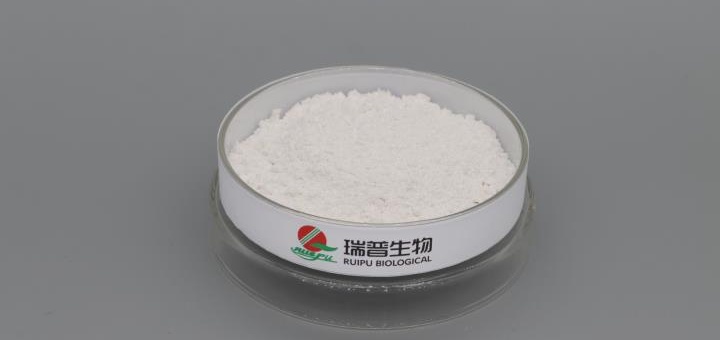
Calcium Carbonate Supply price
The molecular structure of Calcium Carbonate
It is formed by the combination of calcium ions (Ca²⁺) and carbonate ions (CO₃²⁻) through ionic bonds and belongs to ionic crystals.
It exists in nature in various crystal forms. Common ones include:
Calcite: Trigonal crystal system, with a compact crystal structure and a relatively high density (2.71g /cm³), is the most stable crystal form of calcium carbonate.
Aragonite: Orhombic crystal system, with a slightly higher density (2.93 g/cm³). Thermodynamically, it is less stable than calcite and can transform into calcite over a long period of time.
Vaterite: Hexagonal crystal system, rare, metastable crystal form, easily transforms into calcite or aragonite.
Other supplier products
|
|
Magnesium Gluconate Partners, long-term cooperation |
Practical Applications of Physical Properties of Magnesium Gluconate Nutrition and Supplements: High water solubility and mild taste make it ideal ... |
|
|
Magnesium Citrate Supplier |
One of magnesium citrate's most well-known applications is as an osmotic laxative. When consumed, magnesium citrate draws water into the intestines... |
|
|
High quality Calcium lactate gluconate |
Nutritional and Physiological PropertiesCalcium Source: It is an important source of calcium. Calcium is an essential element for the human body, p... |
|
|
Magnesium Citrate Powder |
Magnesium citrate contributes a mild, tart flavor due to its citric acid component, making it useful for adjusting taste profiles in certain foods:... |
|
|
Calcium lactate gluconate Market quotation |
Functions and UsesNutritional supplement: Calcium lactate gluconate is widely used as a calcium supplement. Calcium is an essential mineral for the... |
All supplier products
Same products