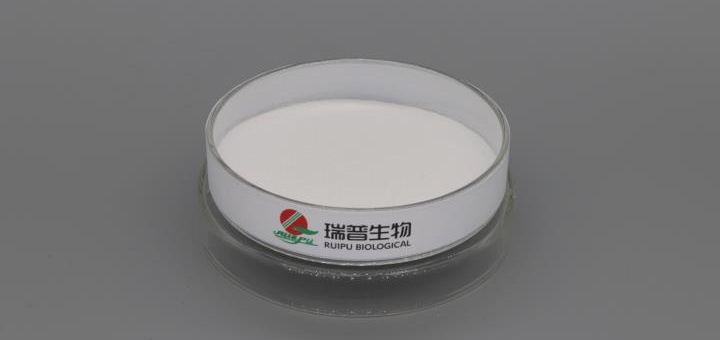
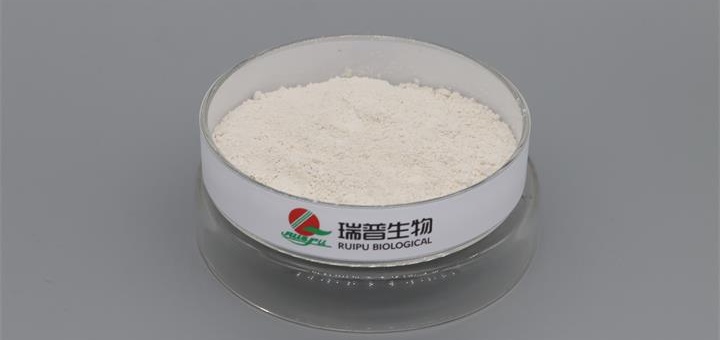
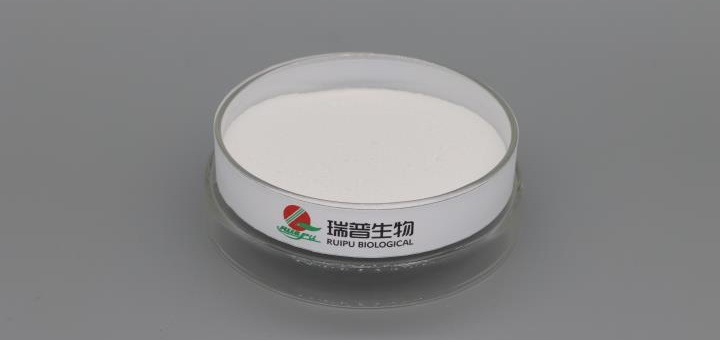
Calcium Carbonate
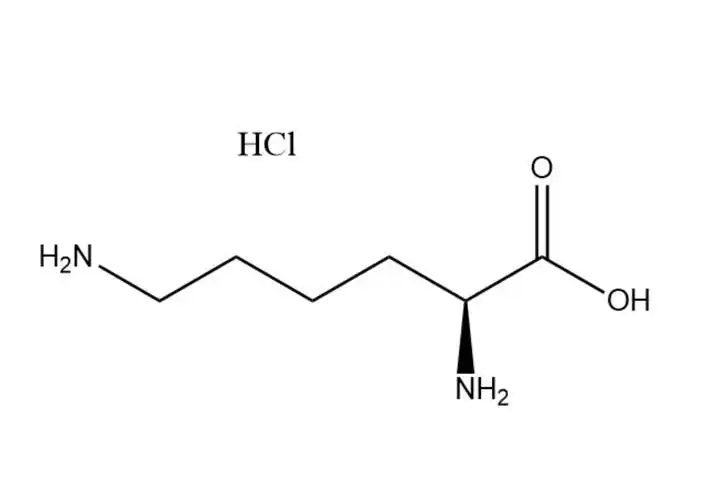
The molecular structure of Calcium Carbonate
It is formed by the combination of calcium ions (Ca²⁺) and carbonate ions (CO₃²⁻) through ionic bonds and belongs to ionic crystals.
It exists in nature in various crystal forms. Common ones include:
Calcite: Trigonal crystal system, with a compact crystal structure and a relatively high density (2.71g /cm³), is the most stable crystal form of calcium carbonate.
Aragonite: Orhombic crystal system, with a slightly higher density (2.93 g/cm³). Thermodynamically, it is less stable than calcite and can transform into calcite over a long period of time.
Vaterite: Hexagonal crystal system, rare, metastable crystal form, easily transforms into calcite or aragonite.
Other supplier products
|
|
Magnesium Lactate Powder |
Magnesium lactate in Animal Feed and Veterinary Use Livestock Nutrition: Added to animal feed to prevent magnesium deficiency in livestock, especia... |
|
|
Supermicro Ferric Pyrophosphate |
Product Name:Supermicro Ferric Pyrophosphate Description Raw material :Ferric pyrophosphate Particle size range:120 - 1500 mesh Shelf life:24 month... |
|
|
nutrient additives |
One of magnesium citrate's most well-known applications is as an osmotic laxative. When consumed, magnesium citrate draws water into the intestines... |
|
|
Magnesium Citrate Raw Material |
Monosodium Fumarateis a sodium salt derived from fumaric acid, with distinct chemical and physical properties that underpin its practical applicati... |
|
|
Monosodium Fumarate |
Monosodium Fumarate is a sodium salt of fumaric acid, a naturally occurring organic compound (a dicarboxylic acid) found in various plants and fung... |
供应产品
Same products