Phospholipids Supplier

The physical properties of phospholipids
Solubility: Phospholipids have a hydrophilic head and a hydrophobic tail. This amphiphilic structure determines their special solubility in water. Under normal circumstances, phospholipids are insoluble in water, but they can be dispersed in water to form micelles, liposomes or emulsions. For instance, during the soap manufacturing process, the phospholipid-like structure endows the soap with a certain emulsifying ability, enabling it to disperse oil stains in water.
Melting point: The melting points of different types of phospholipids vary, usually ranging from 0℃ to 80℃. Generally speaking, phospholipids with a higher content of saturated fatty acids have a relatively higher melting point, while those with a higher content of unsaturated fatty acids have a lower melting point. For instance, soy lecithin contains a relatively high amount of unsaturated fatty acids, and its melting point is relatively low.
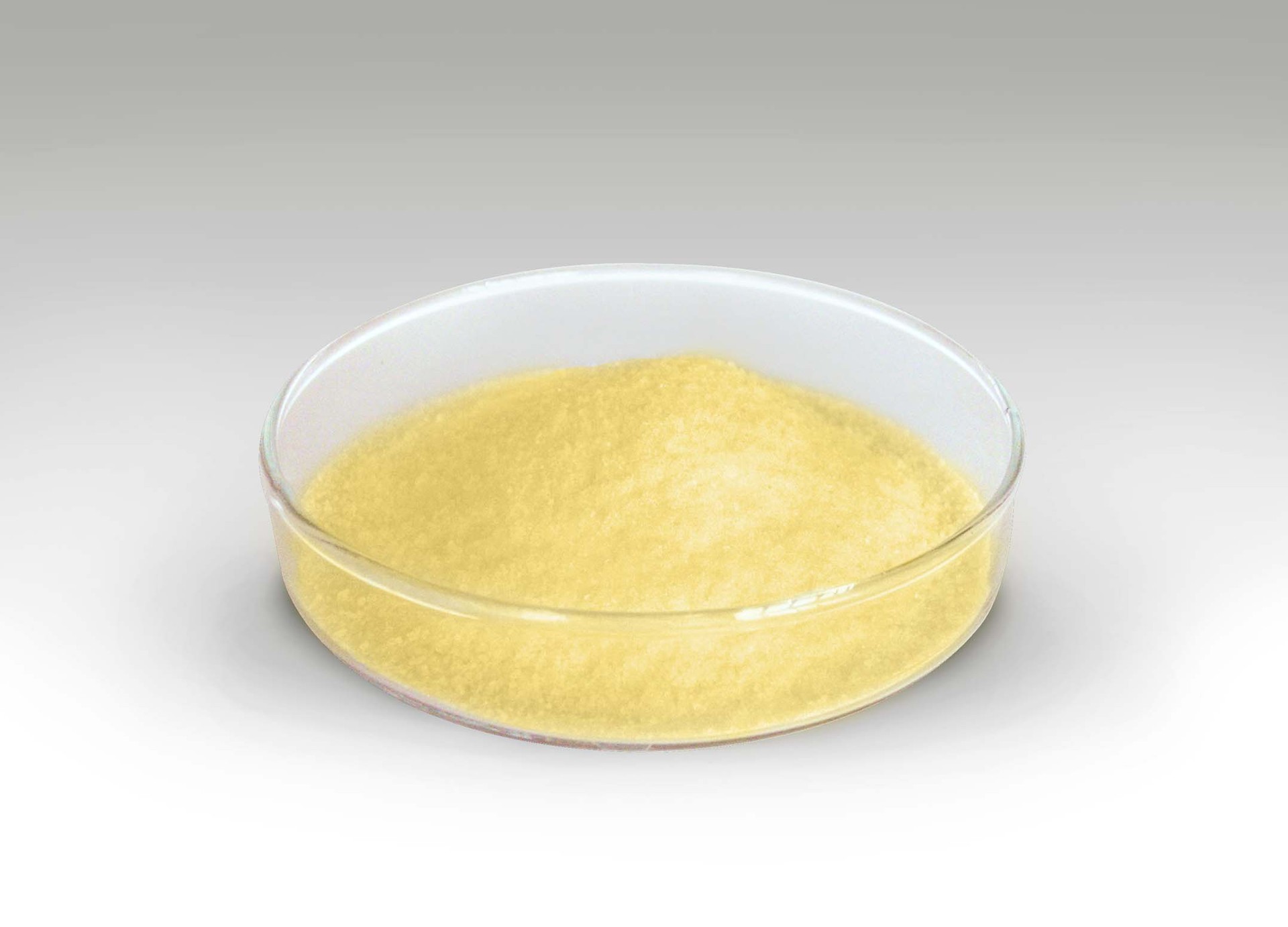
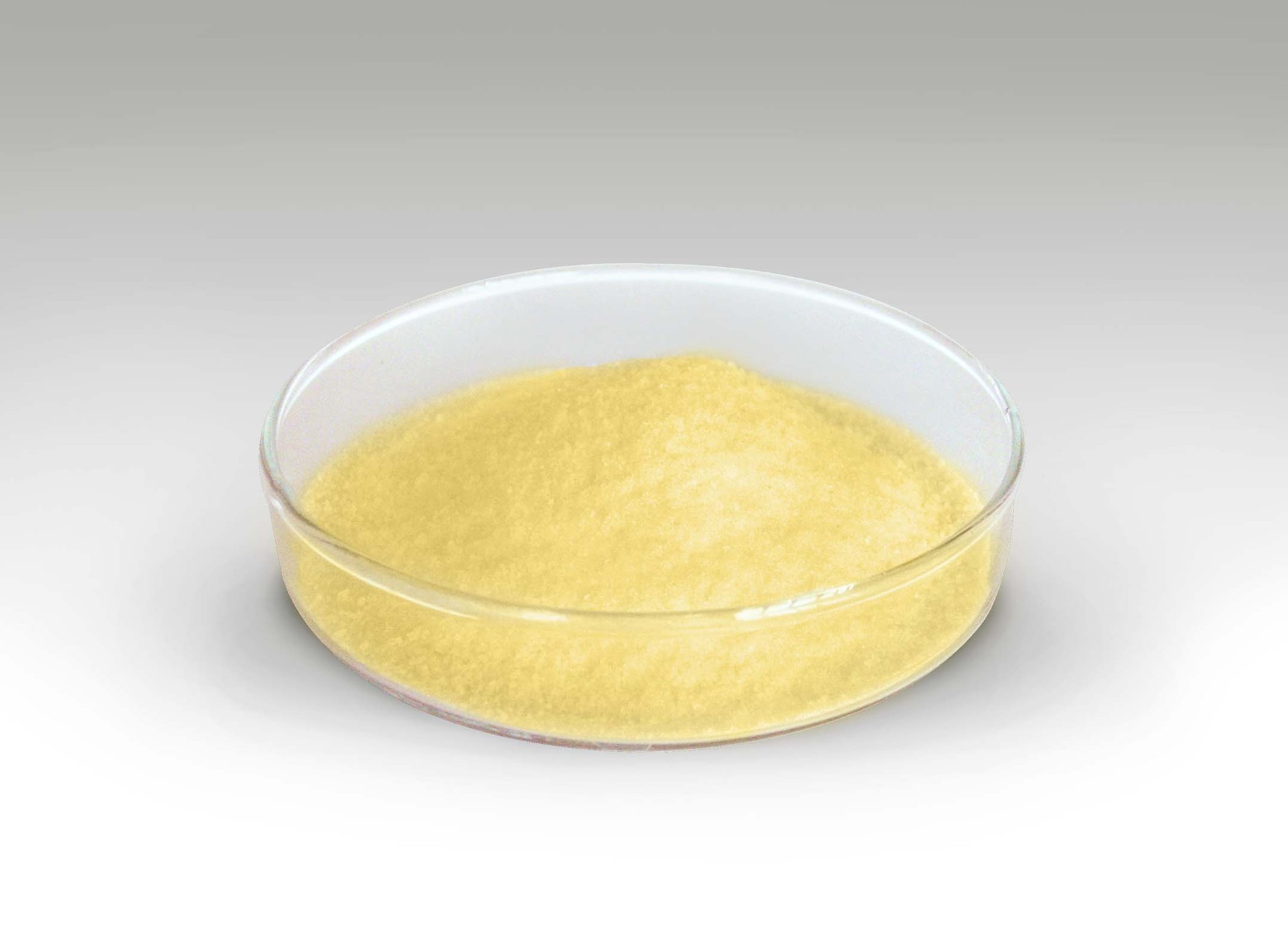
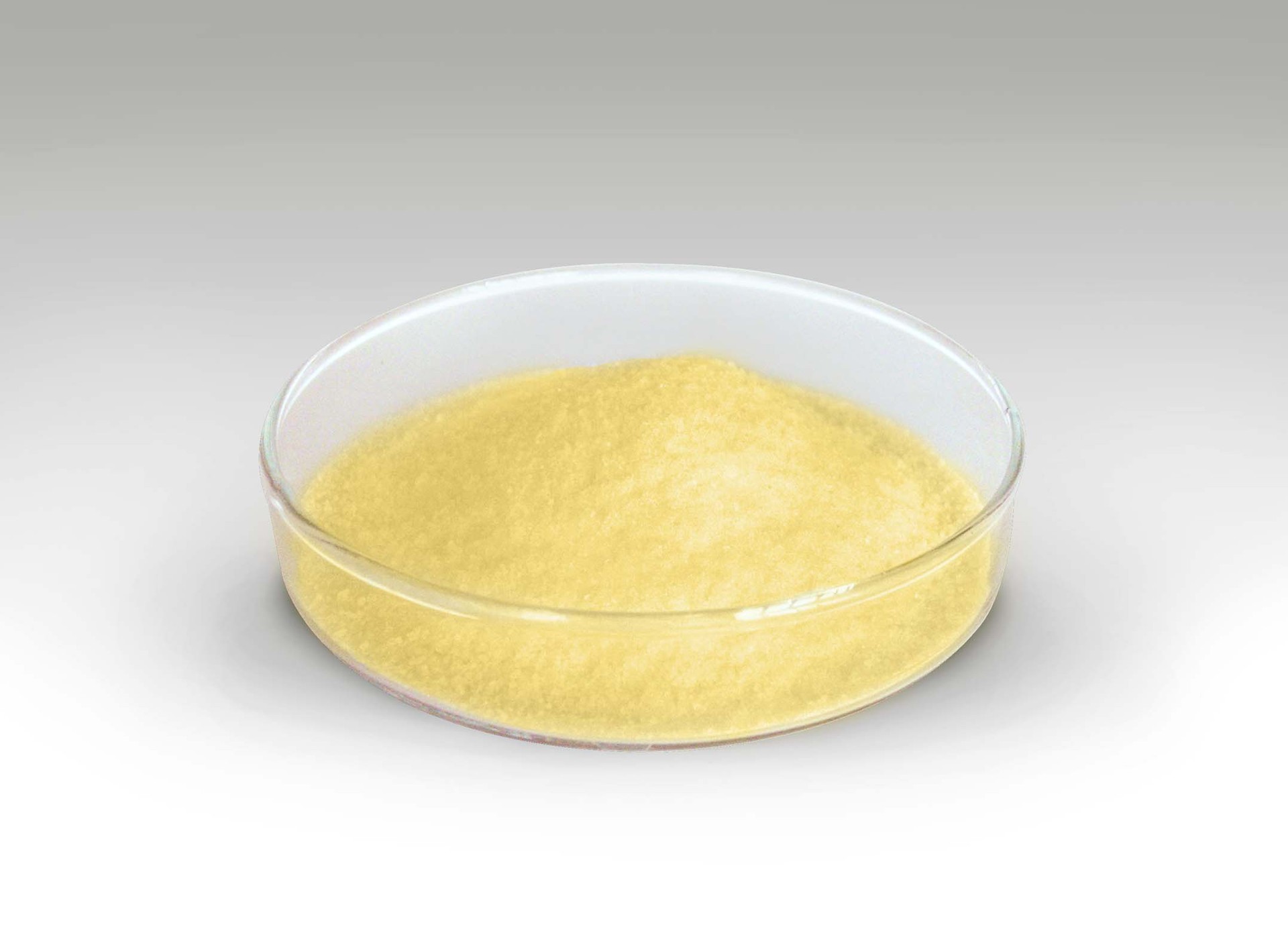
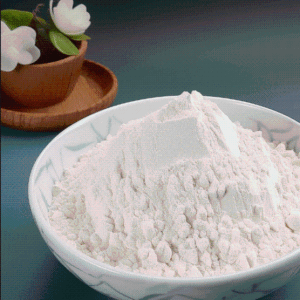
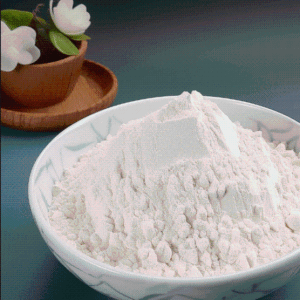
Form: Pure phospholipids are generally white to light yellow waxy solids or viscous liquids at room temperature. Their appearance may vary depending on the type and saturation of the fatty acids they contain.
Other supplier products
|
|
Phospholipid powder as a nutrient additive |
Phospholipids play a pivotal role in nutritional supplements, leveraging their unique structural properties (amphiphilicity, biocompatibility) and ... |
|
|
Phosphatidylserine Manufacturer |
Phosphatidylserine has amphipathic properties, meaning it has both hydrophobic and hydrophilic characteristics.It is composed of a hydrophilic glyc... |
|
|
Phospholipid powder Supply price |
Phospholipids are critical components of brain cell membranes, where they regulate fluidity, signaling, and nutrient transport. Supplements formula... |
|
|
Phosphatidylserine supplements |
Phosphatidylserine improves psychological performance by balancing stress responses and neurotransmitter levels, with advantages over traditional a... |
|
|
High purity Phospholipid |
Typical Applications of phospholipids: Chocolate & Confectionery: Chocolate is an oil-in-water emulsion (cocoa butter = oil; sugar/cocoa solids... |
All supplier products
Same products