Magnesium Lactate Powder
1. Chemical and Molecular Properties
Chemical Formula: Mg(C3H5O3) 2⋅nH2O(common forms include dihydrate, Mg(C3H5O3) 2⋅2H2O.
Structure: It consists of magnesium cations (Mg2+) and lactate anions (C3H5O3^- )), with a crystalline structure that may contain water of hydration.
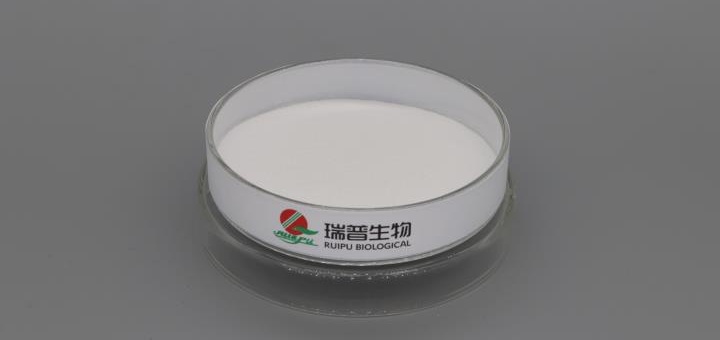
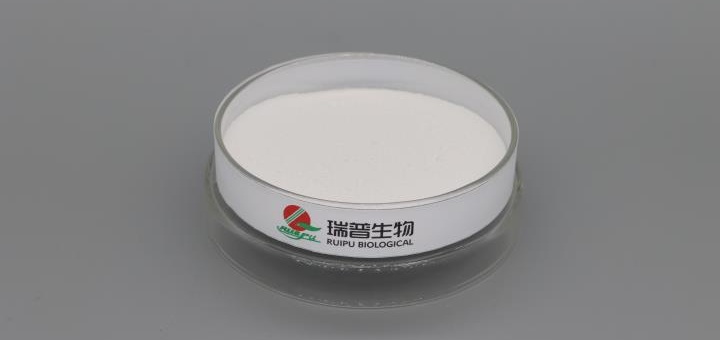
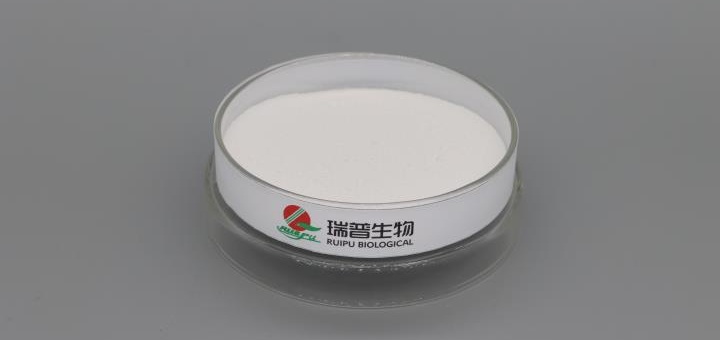
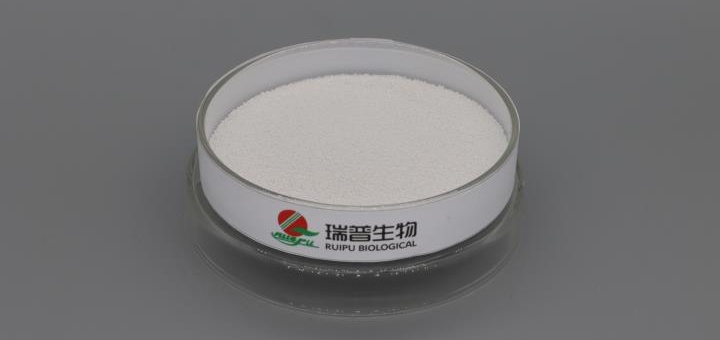
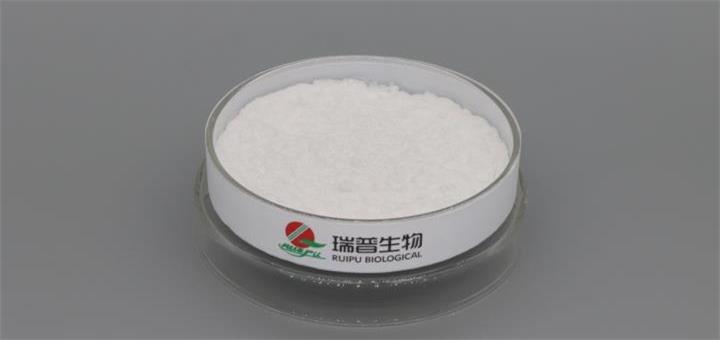
Physical Properties: Usually appears as a white crystalline powder, odorless, with a slightly sweet and sour taste, and is soluble in water.
2. Main Sources and Production Methods
Natural Occurrence: Found in small amounts in some fermented foods (e.g., yogurt, pickles) and grains, but it is more commonly produced synthetically.
Industrial Production: Typically prepared by reacting magnesium carbonate or magnesium hydroxide with lactic acid. The reaction is as follows: MgCO3+2C3H6O3→Mg(C3H5O3 ) 2+CO2↑+H2O.
Other supplier products
|
|
Monosodium Fumarate Raw Material |
Monosodium fumarate is most commonly used in the food industry as an acidulant, flavor enhancer, or preservative. Its roles include: Acidulation: P... |
|
|
High quality Magnesium Citrate |
Magnesium is critical for bone formation and muscle function, making magnesium citrate a key component in supplements targeting:Bone health: Magnes... |
|
|
Copper Gluconate CAS527-09-3 |
Product Name:Copper Gluconate Description Molecular formula:C12H22CuO14 Molecular weight:453.84 Copper assay:14 % Shelf life: 24 month CAS NO.:527-... |
|
|
Magnesium Carbonate Granules |
Product Name:Magnesium Carbonate Granules Description Raw material :Heavy Magnesium Carbonate, Maltodextrin, E50 Assay:40—44% Shelf life:24 m... |
|
|
Monosodium fumarate Purchase price |
Monosodium fumarate, a sodium salt of fumaric acid, is primarily valued for its functional properties in various industries, with its most prominen... |
All supplier products
Same products