Magnesium Lactate Powder
1. Chemical and Molecular Properties
Chemical Formula: Mg(C3H5O3) 2⋅nH2O(common forms include dihydrate, Mg(C3H5O3) 2⋅2H2O.
Structure: It consists of magnesium cations (Mg2+) and lactate anions (C3H5O3^- )), with a crystalline structure that may contain water of hydration.
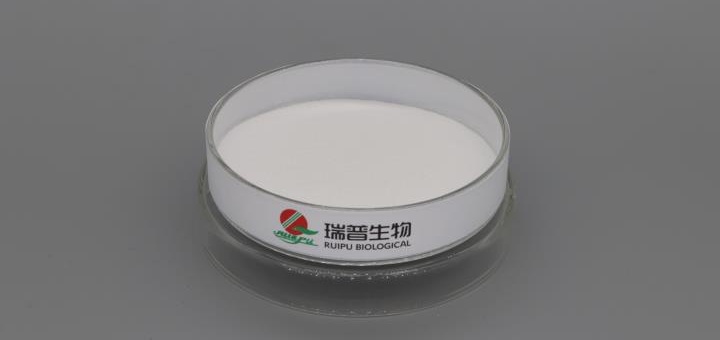
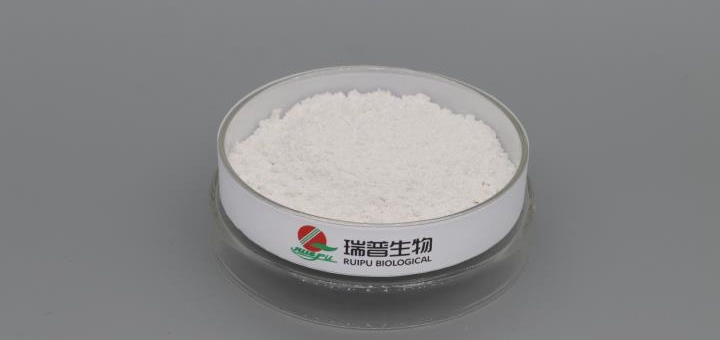
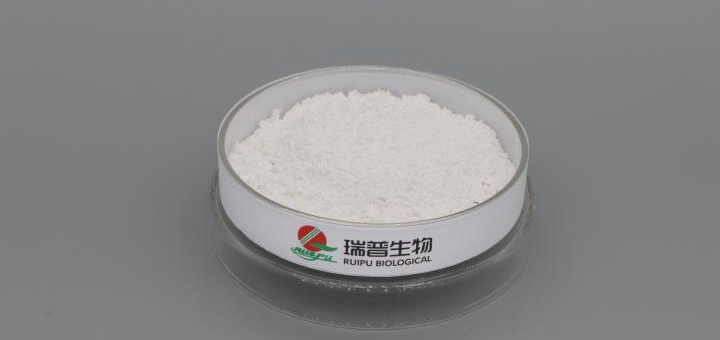
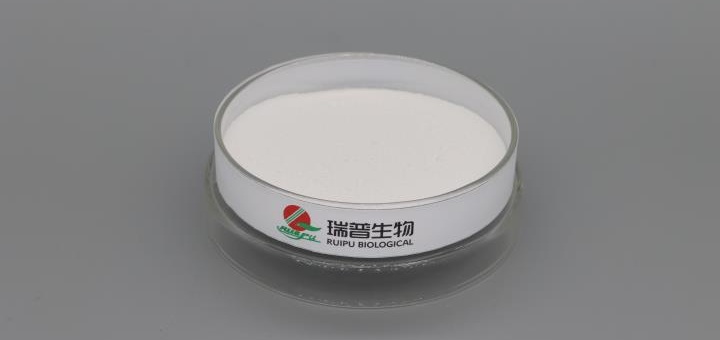
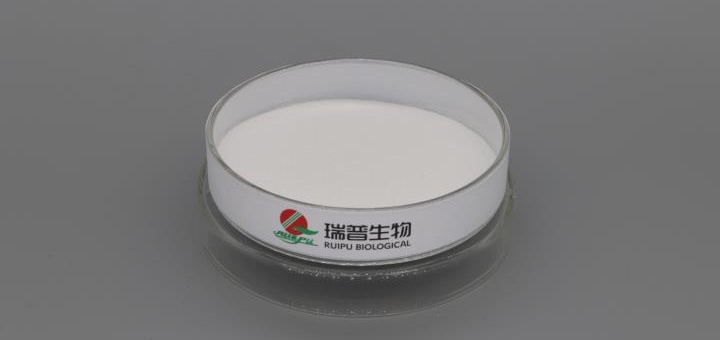
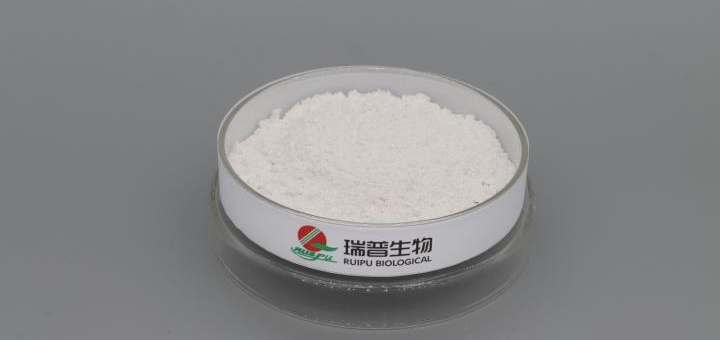
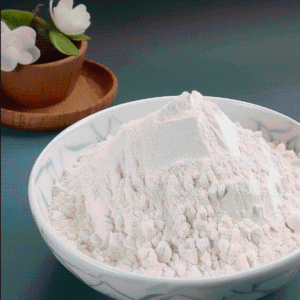
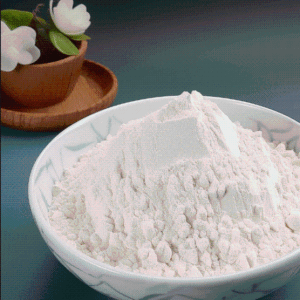
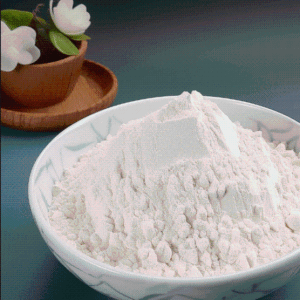
Physical Properties: Usually appears as a white crystalline powder, odorless, with a slightly sweet and sour taste, and is soluble in water.
2. Main Sources and Production Methods
Natural Occurrence: Found in small amounts in some fermented foods (e.g., yogurt, pickles) and grains, but it is more commonly produced synthetically.
Industrial Production: Typically prepared by reacting magnesium carbonate or magnesium hydroxide with lactic acid. The reaction is as follows: MgCO3+2C3H6O3→Mg(C3H5O3 ) 2+CO2↑+H2O.
Other supplier products
|
|
Magnesium Gluconate |
pH and Aqueous Solution Properties of Magnesium Gluconate Aqueous pH: Solutions of magnesium gluconate are slightly alkaline (pH 7.5–9) due t... |
|
|
Magnesium Gluconate |
Crystal Structure and Hydration of Magnesium Gluconate Hydration State: Often exists as a hydrate, such as magnesium gluconate hexahydrate (Mg(C6H1... |
|
|
Magnesium Citrate |
Magnesium Citrate is a chemical compound formed by the combination of magnesium ions (Mg²⁺) and citrate anions, with the molecular formula typ... |
|
|
Magnesium Lactate Powder |
Nutritional Supplements for Magnesium Replenishment Primary Use: Magnesium lactate as a key ingredient in oral supplements to address magnesium def... |
|
|
Market quotation |
Stability and Compatibility of Magnesium Gluconate Chemical Stability: Stable under normal storage conditions when kept dry, but may degrade in the... |
供应产品
Same products