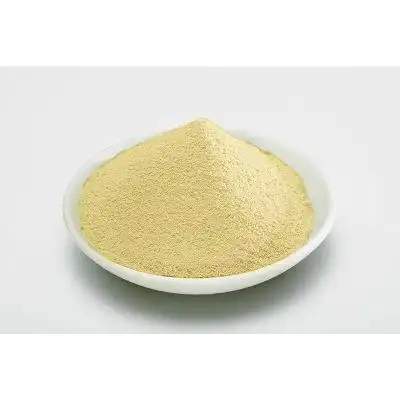
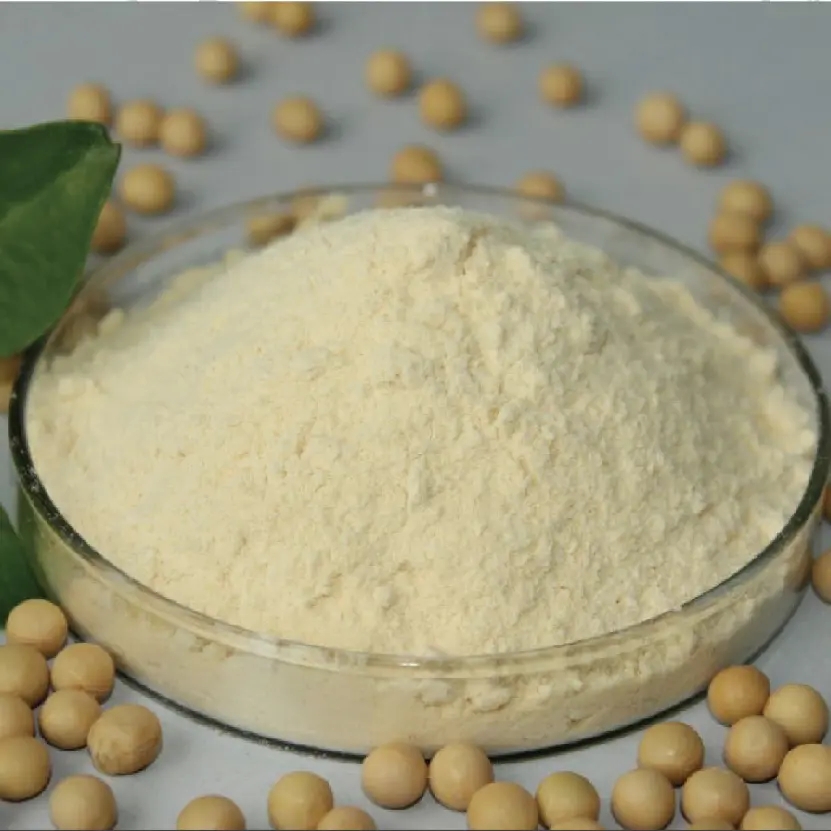
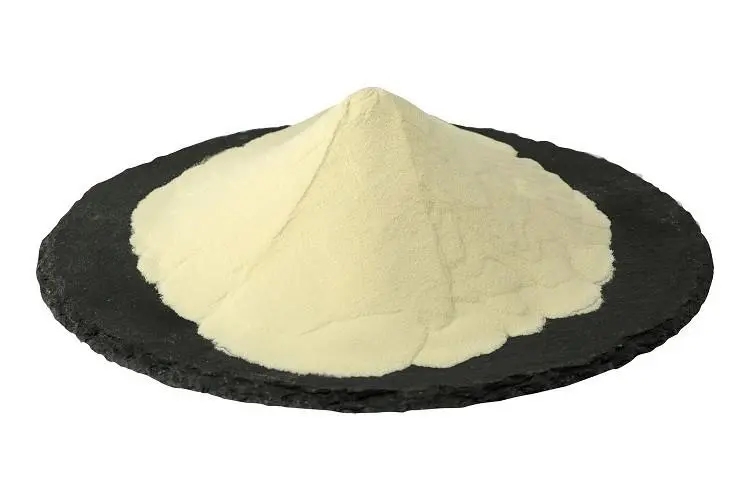
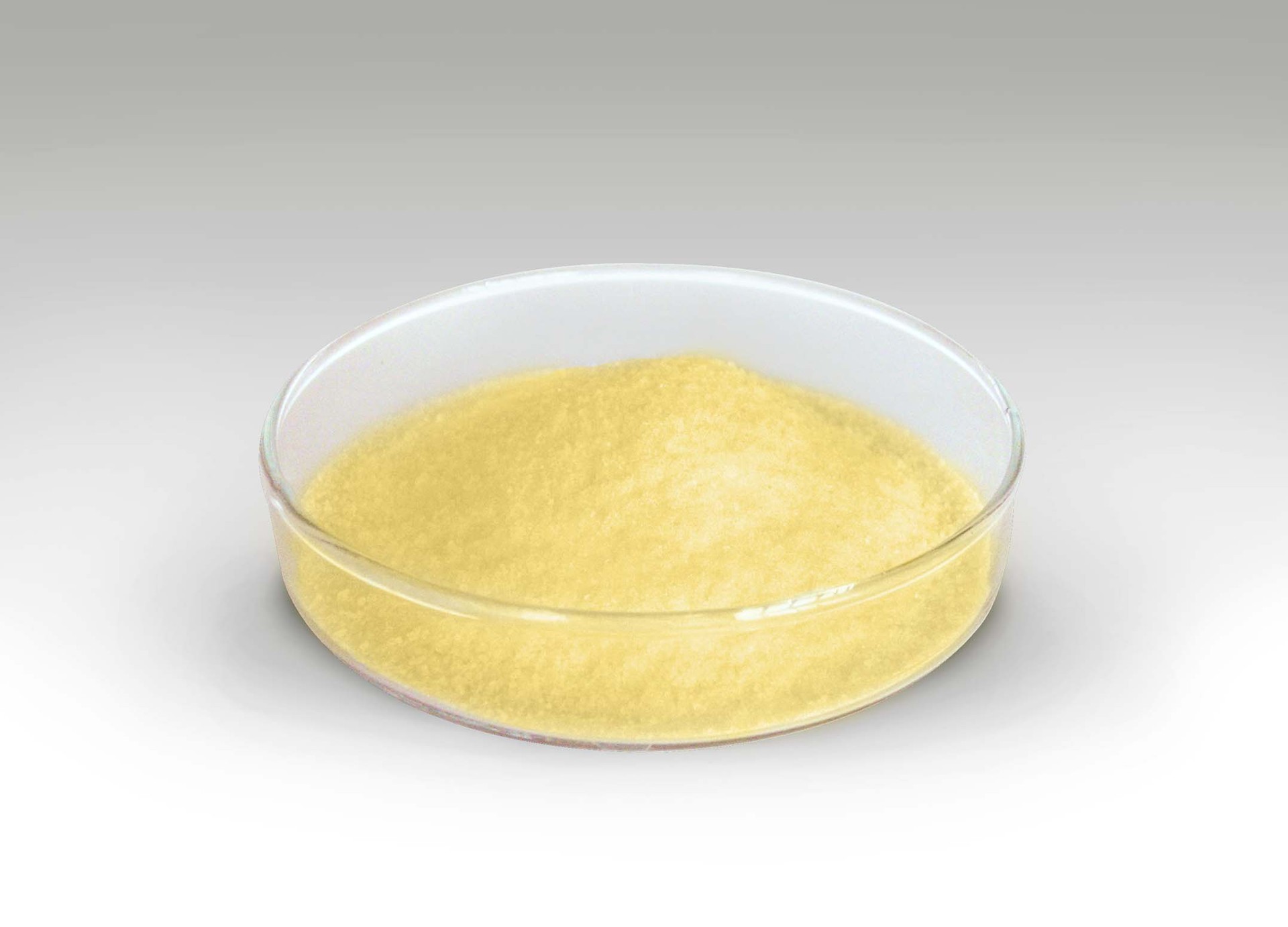
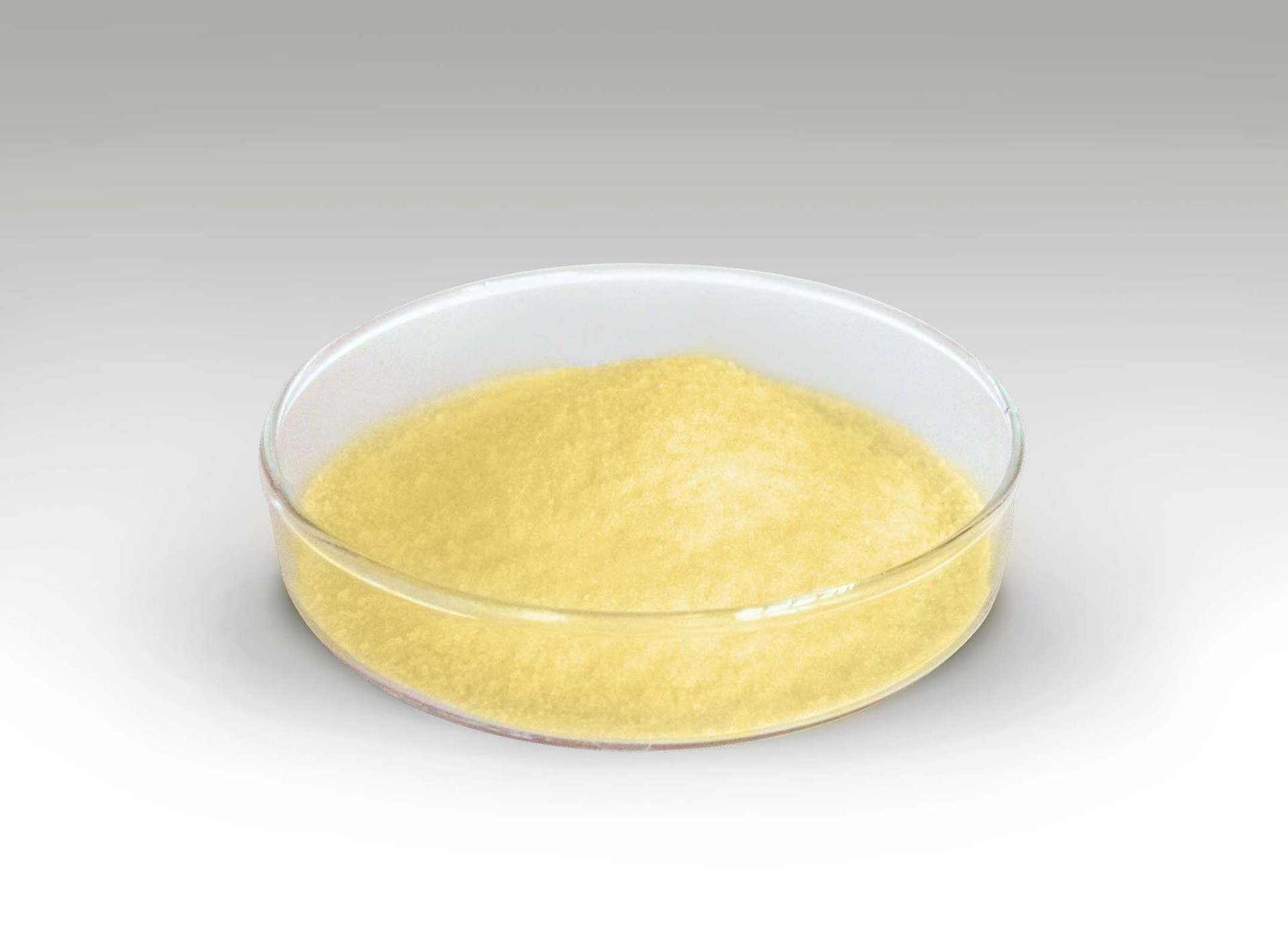
Phospholipid Powder
Source Verification: Ensure phospholipid powder is derived from safe, approved sources (e.g., soybeans, sunflower seeds, eggs) to avoid allergens or contamination.
For example, soy-derived phospholipids may trigger allergies in sensitive individuals, requiring clear labeling.
Purity and Purity Testing: Confirm that the product meets food-grade standards (e.g., free from heavy metals, pesticides, or solvent residues). Check for certifications like GRAS (Generally Recognized As Safe) or HALAL/KOSHER if applicable.
Oxidation Stability: Phospholipids are prone to oxidation, so verify that the powder includes antioxidants (e.g., vitamin E) or is packaged to prevent exposure to air and light.
Other supplier products
|
|
Supply Phospholipid Powder |
Phospholipids offer various health benefits. Phosphatidylcholine (PC) in phospholipids is an important precursor to the neurotransmitter acetylchol... |
|
|
Wholesale Phosphatidylserine Powder |
The most well-documented and widely used application of phosphatidylserine supplements is the improvement of cognitive function, targeting age-rela... |
|
|
Supply Phosphatidylserine Powder |
What is the main function of phosphatidylserine powder? Phosphatidylserine can mainly improve the function of nerve cells, regulate the conduction ... |
|
|
Phospholipids Purchase price |
Dairy products (milk drinks, ice cream, cheese) and plant-based dairy alternatives (soy milk, oat milk) rely on stable oil-water emulsions to avoid... |
|
|
Phospholipid made in China |
Certain phospholipids (e.g., phosphatidylcholine, phosphatidylserine) are added to functional foods as nutritional supplements, leveraging their ro... |
All supplier products
Same products