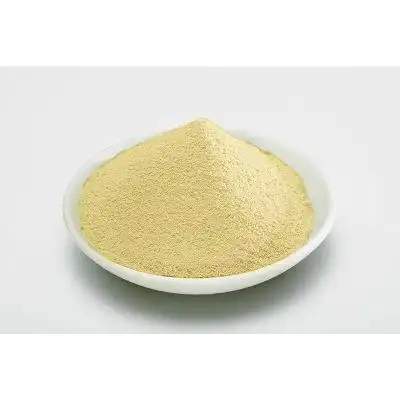
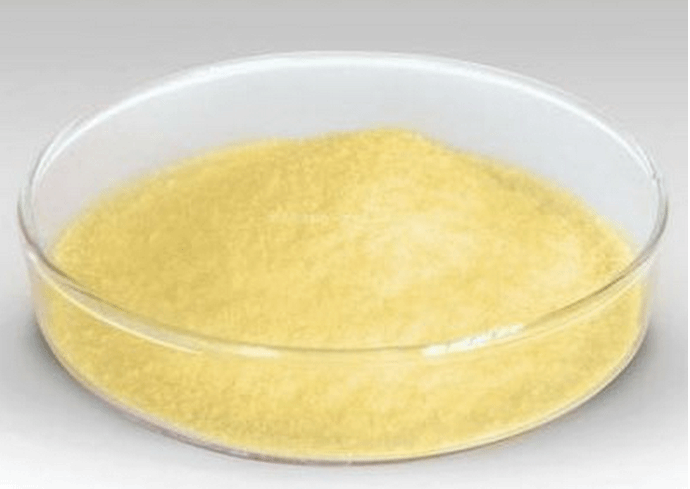
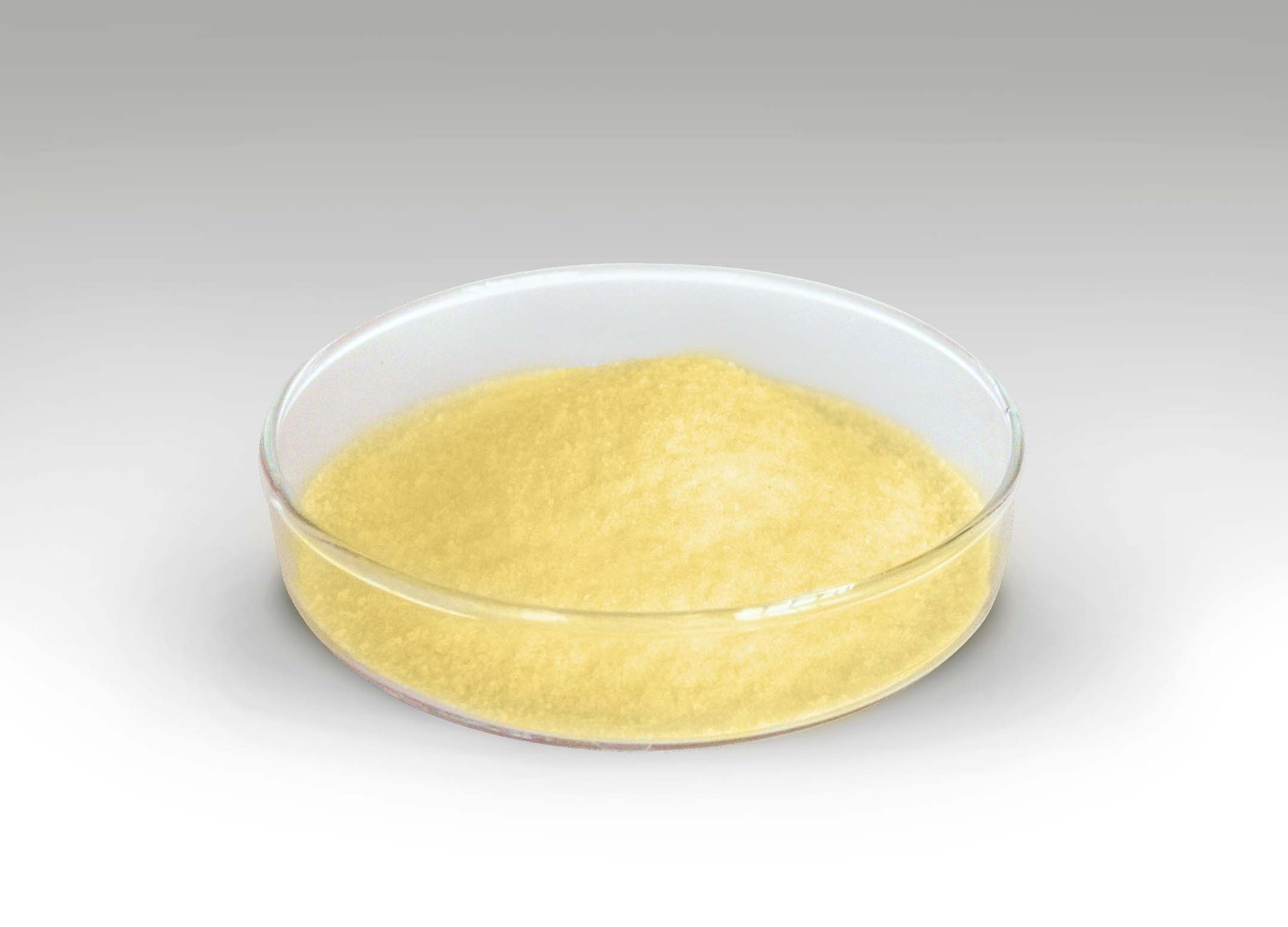
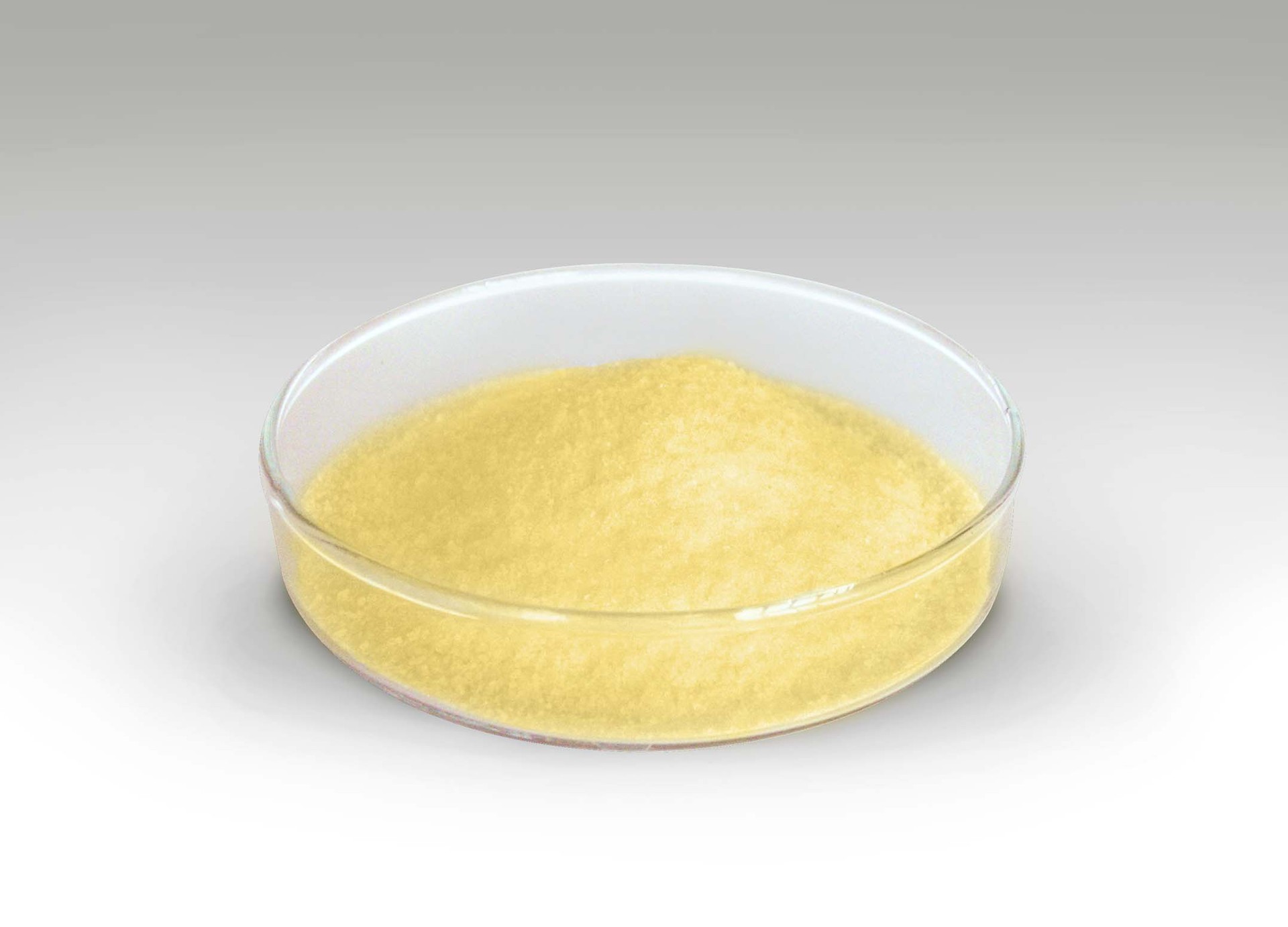
Phospholipid P
Source Verification: Ensure phospholipid powder is derived from safe, approved sources (e.g., soybeans, sunflower seeds, eggs) to avoid allergens or contamination.
For example, soy-derived phospholipids may trigger allergies in sensitive individuals, requiring clear labeling.
Purity and Purity Testing: Confirm that the product meets food-grade standards (e.g., free from heavy metals, pesticides, or solvent residues). Check for certifications like GRAS (Generally Recognized As Safe) or HALAL/KOSHER if applicable.
Oxidation Stability: Phospholipids are prone to oxidation, so verify that the powder includes antioxidants (e.g., vitamin E) or is packaged to prevent exposure to air and light.
Other supplier products
|
|
Phospholipid Powder |
The functional influence of phospholipid powder on the final product Emulsification and Texture: Ensure phospholipids effectively stabilize emulsio... |
|
|
Phosphatidylserine powder |
Phosphatidylserine powder is a dietary supplement that is used in various industries, including:
Health and wellness:phosphatidylserine powderis us... |
|
|
Meat and aquatic products |
Meat and aquatic products (sausages, ham, fish balls) lose moisture during processing (e.g., cooking, freezing) and are prone to tough textures. Ph... |
|
|
Phospholipid Powder |
Phospholipids (e.g., lecithin from soybeans, egg yolks, or sunflower seeds) stand out in food processing due to their unique structural and functio... |
|
|
Phospholipids |
The application advantages of phospholipids in the medical fieldDrug carriers: Phospholipids can be made into drug carriers such as liposomes, whic... |
供应产品
Same products