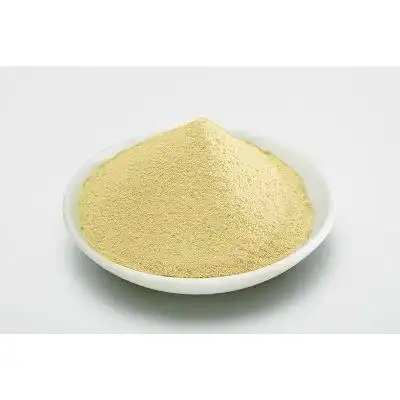
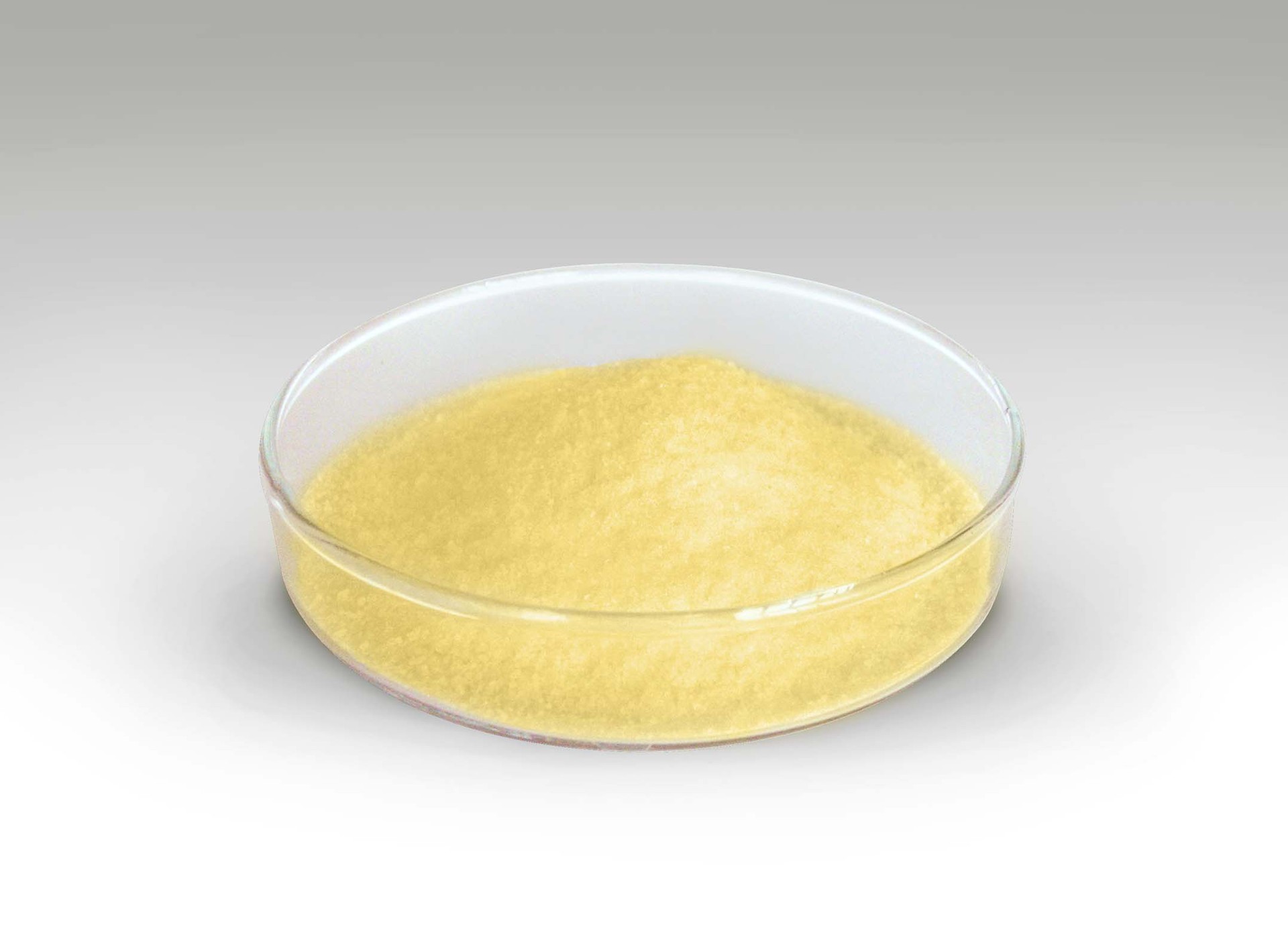
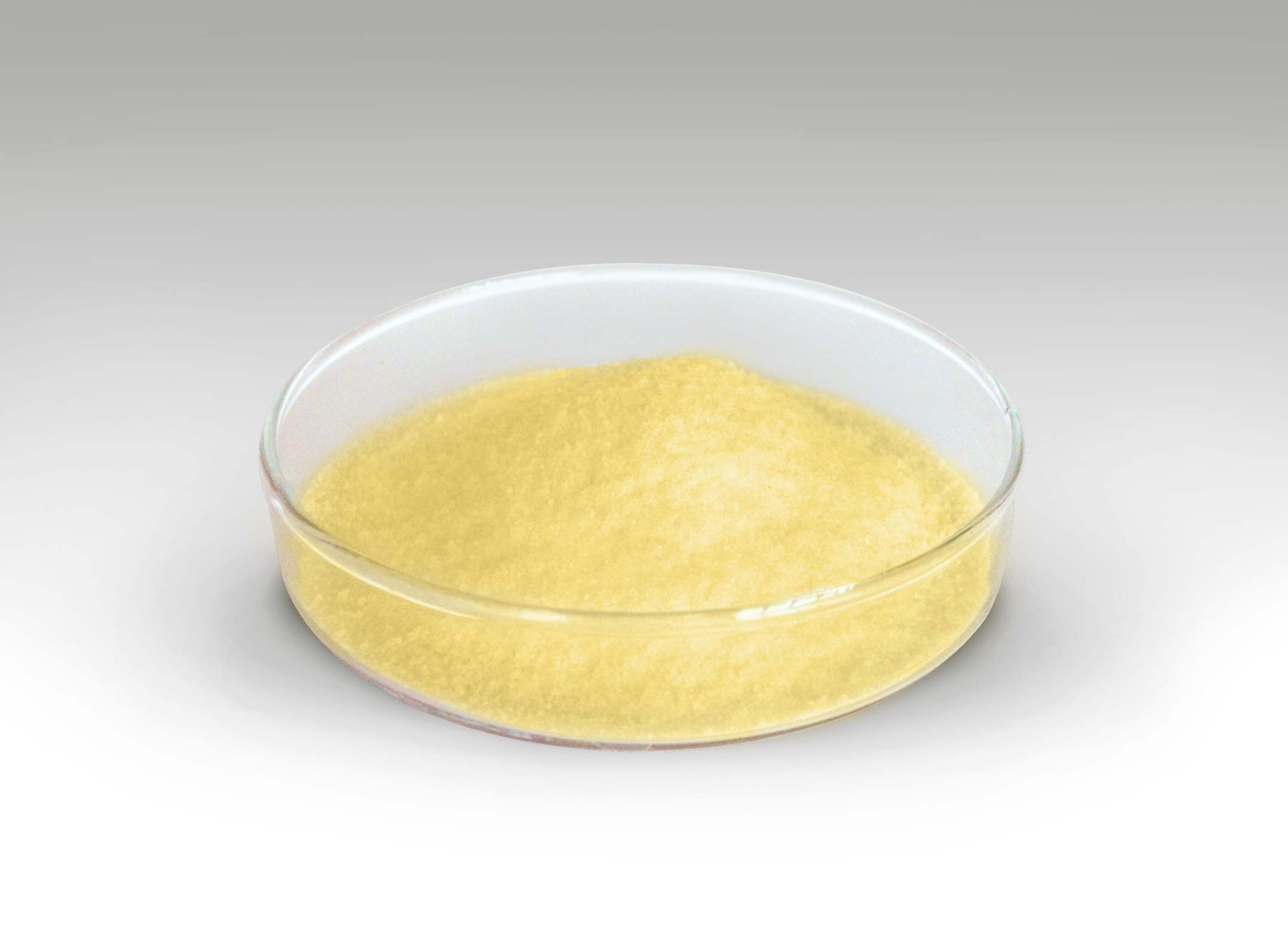
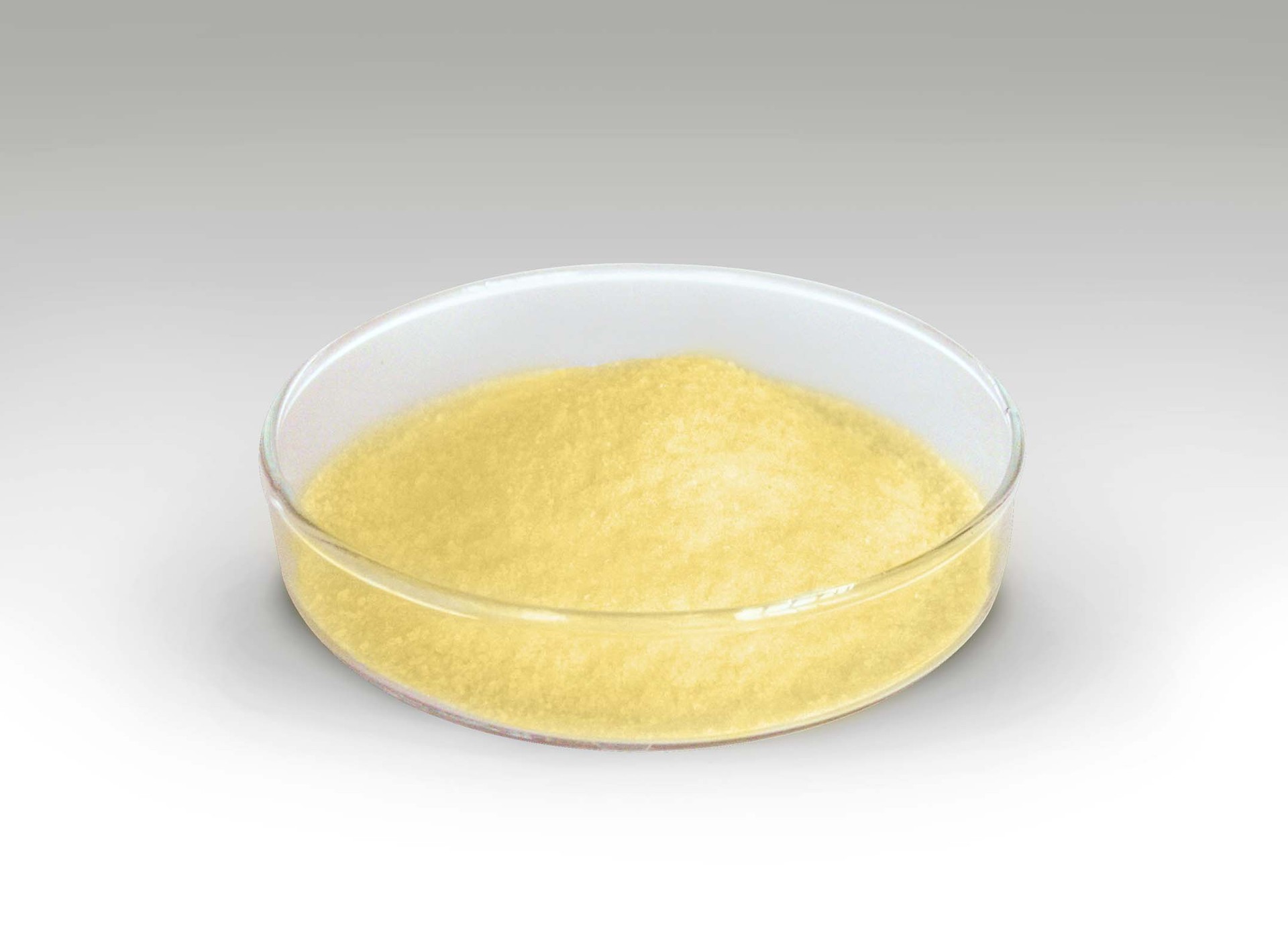
Phospholipid Powder Wholesale Price
Regulatory and Labeling Compliance of Phospholipid Powder
Food Additive Regulations:
Confirm that the phospholipid powder is approved for use in the target food category in relevant regions (e.g., EU Regulation No. 1333/2008, FDA 21 CFR §184.1522 for soy phospholipids).
Adhere to maximum usage limits specified by local authorities.
Labeling Requirements:
Clearly list phospholipids on ingredient labels by their common name (e.g., "soy lecithin," "sunflower lecithin") or functional class (e.g., "emulsifier").
Declare potential allergens (e.g., "contains soy" or "contains egg") in compliance with regional labeling laws (e.g., FDA’s Food Allergen Labeling and Consumer Protection Act).
Other supplier products
|
|
Phospholipid Raw Material Export |
Phospholipids have a wide range of applications in various food products, primarily due to their unique molecular structure and multiple functional... |
|
|
Phospholipid powder Partners, long-term cooperation |
Phospholipids are naturally present in breast milk and are critical for infant development, making them essential in infant formulas and pediatric ... |
|
|
Phospholipid powder Price |
How structure enables membrane function: In aqueous environments (e.g., the cytoplasm inside cells or the extracellular fluid outside cells), phosp... |
|
|
Phospholipids powder Wholesale |
Phospholipids modify food texture and sensory properties by interacting with proteins, starches, and other components, improving overall product qu... |
|
|
Phospholipid in Meat & Aquatic Products |
Phospholipid in Meat & Aquatic Products (Sausages, Ham, Fish Balls) Core purpose: Retain moisture (reduce cooking loss) and improve tenderness.... |
All supplier products
Same products