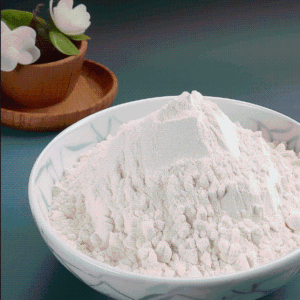
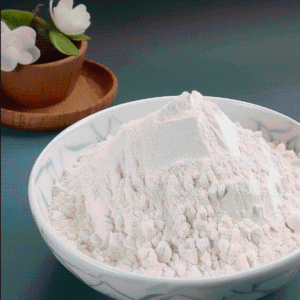
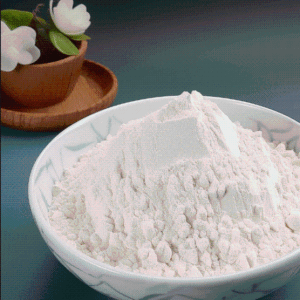
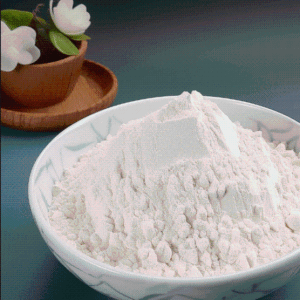
Phospholipid Powder
Regulatory and Labeling Compliance of Phospholipid Powder
Food Additive Regulations:
Confirm that the phospholipid powder is approved for use in the target food category in relevant regions (e.g., EU Regulation No. 1333/2008, FDA 21 CFR §184.1522 for soy phospholipids).
Adhere to maximum usage limits specified by local authorities.
Labeling Requirements:
Clearly list phospholipids on ingredient labels by their common name (e.g., "soy lecithin," "sunflower lecithin") or functional class (e.g., "emulsifier").
Declare potential allergens (e.g., "contains soy" or "contains egg") in compliance with regional labeling laws (e.g., FDA’s Food Allergen Labeling and Consumer Protection Act).
Другие товары поставщика
|
|
Phospholipid powder |
In sports supplements, phospholipids enhance nutrient delivery and support muscle recovery:Enhancing amino acid uptake: Phospholipids improve the a... |
|
|
Phospholipid in Meat & Aquatic Products |
Phospholipid in Meat & Aquatic Products (Sausages, Ham, Fish Balls) Core purpose: Retain moisture (reduce cooking loss) and improve tenderness.... |
|
|
Phospholipid Raw Material |
High-purity phospholipid usually contains fewer impurities and contaminants, which enhances the safety of the candy. Impurities and contaminants ca... |
|
|
Phosphatidylserine |
Phosphatidylserine is the only phospholipid that can regulate the function of key proteins of the cell membrane. It is ubiquitous in the cell membr... |
|
|
Phosphatidylserine Powder |
What is the main function of phosphatidylserine powder? We have learned that phosphatidylserine can mainly improve the function of nerve cells, reg... |
Все товары поставщика
Похожие товары