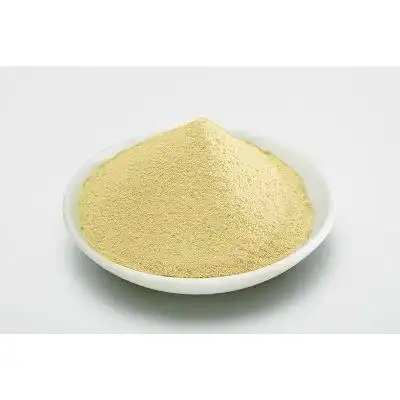
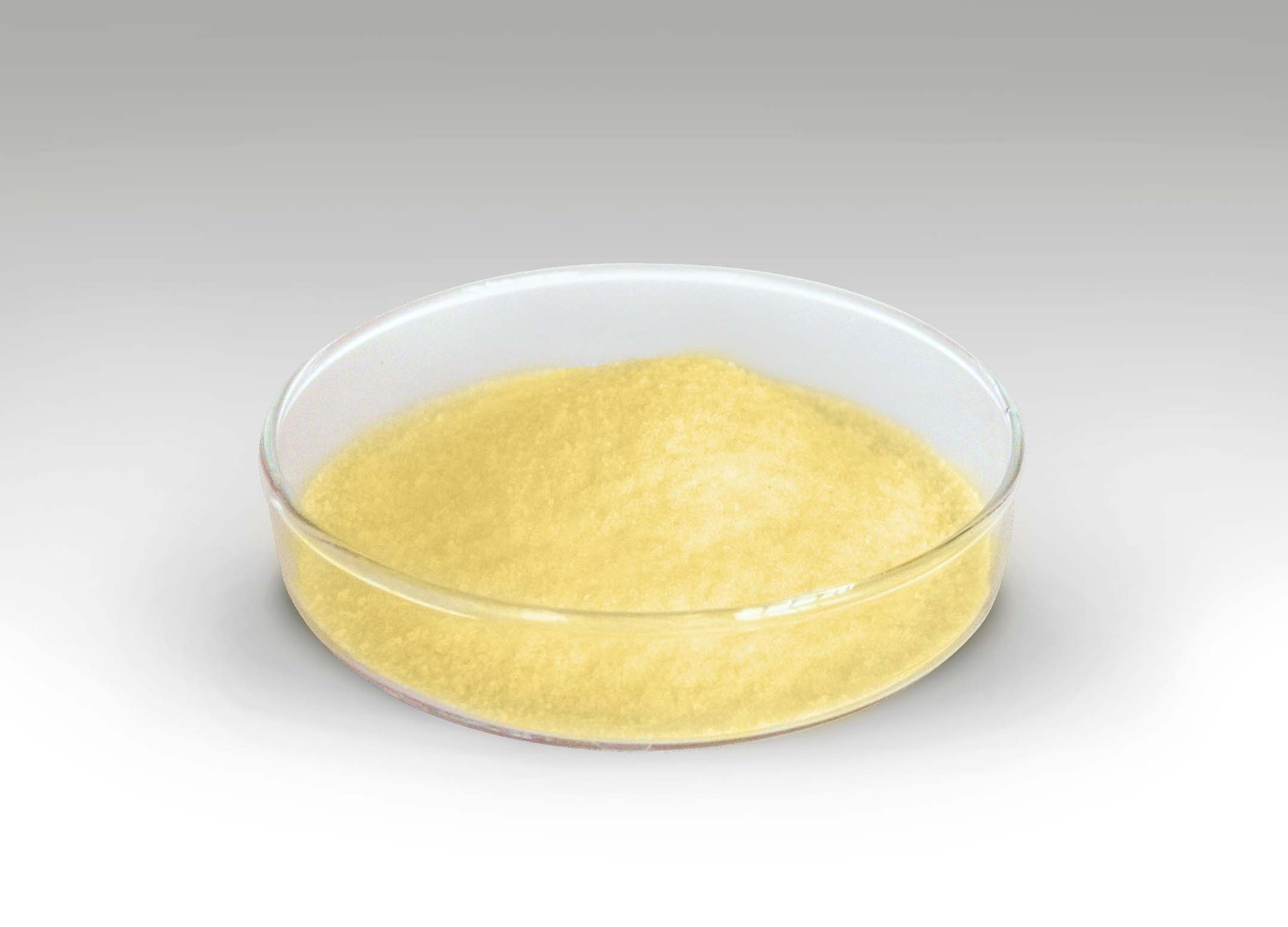
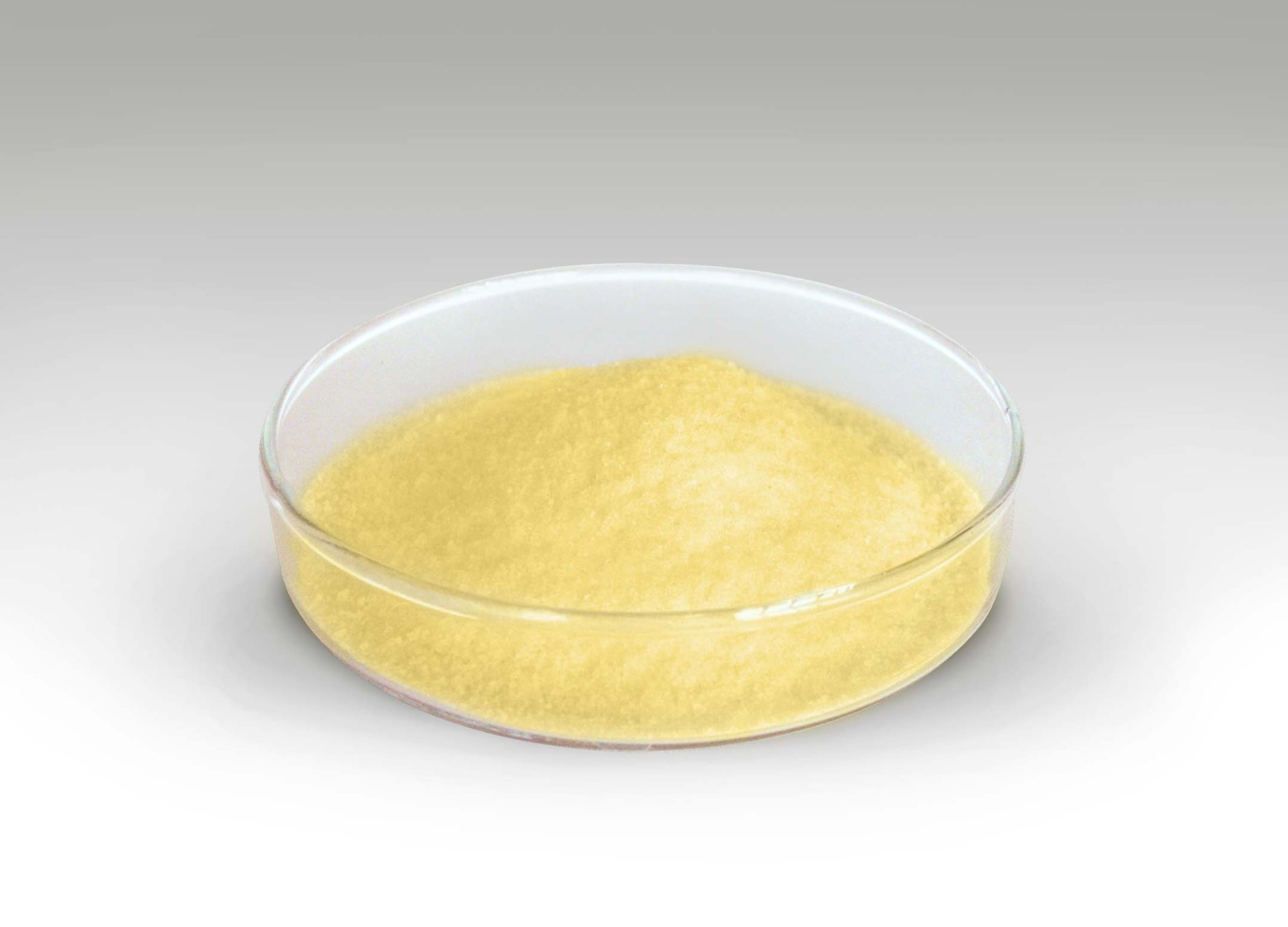
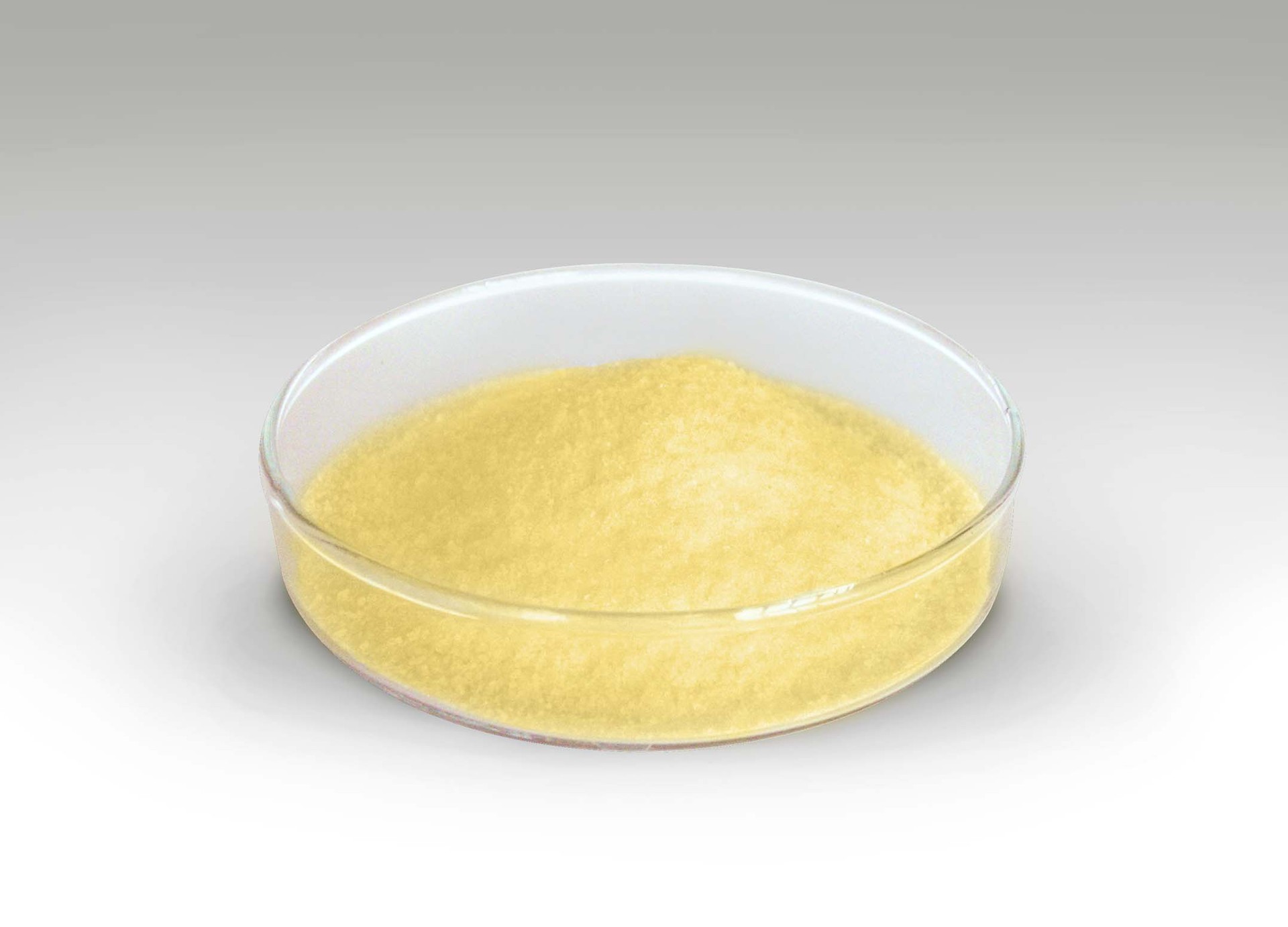
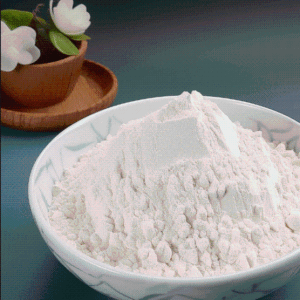
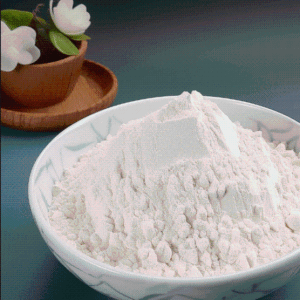
Phospholipid Powder
Regulatory and Labeling Compliance of Phospholipid Powder
Food Additive Regulations:
Confirm that the phospholipid powder is approved for use in the target food category in relevant regions (e.g., EU Regulation No. 1333/2008, FDA 21 CFR §184.1522 for soy phospholipids).
Adhere to maximum usage limits specified by local authorities.
Labeling Requirements:
Clearly list phospholipids on ingredient labels by their common name (e.g., "soy lecithin," "sunflower lecithin") or functional class (e.g., "emulsifier").
Declare potential allergens (e.g., "contains soy" or "contains egg") in compliance with regional labeling laws (e.g., FDA’s Food Allergen Labeling and Consumer Protection Act).
Other supplier products
|
|
Meat and aquatic products |
Meat and aquatic products (sausages, ham, fish balls) lose moisture during processing (e.g., cooking, freezing) and are prone to tough textures. Ph... |
|
|
Phospholipids |
Phospholipids are a type of lipid containing phosphate groups and are the main components of biological membranes, playing a crucial role in the st... |
|
|
Phosphatidylserine |
Phosphatidylserine (PS), also known as serine phosphatidylserine, diacylglycerol phosphatidylserine, refers to a group of compounds, rather than a ... |
|
|
Phospholipids in Bakery Products |
Phospholipids in Bakery Products (Bread, Cakes, Pastries) Core purpose: Improve dough elasticity, reduce staling, and emulsify oil-water in batter.... |
|
|
Phospholipids Powder |
influence the sensory properties of foods by adjusting viscosity, elasticity, and mouthfeel.Chocolate and Confections: In chocolate production, lec... |
供应产品
Same products