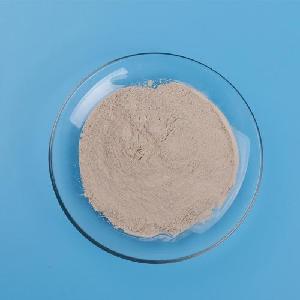
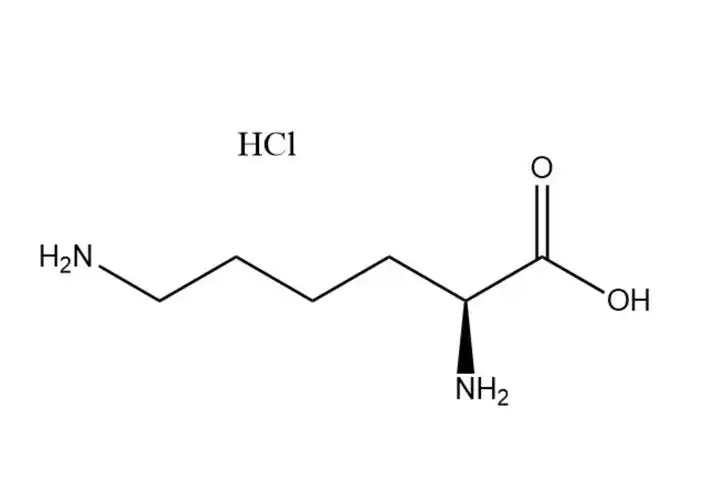
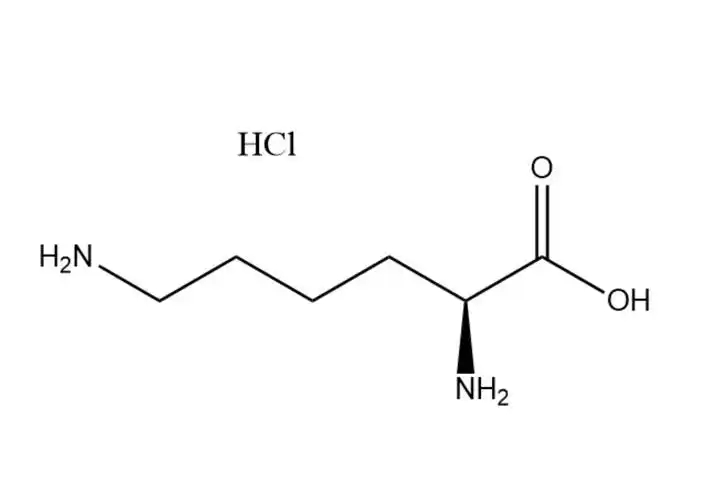
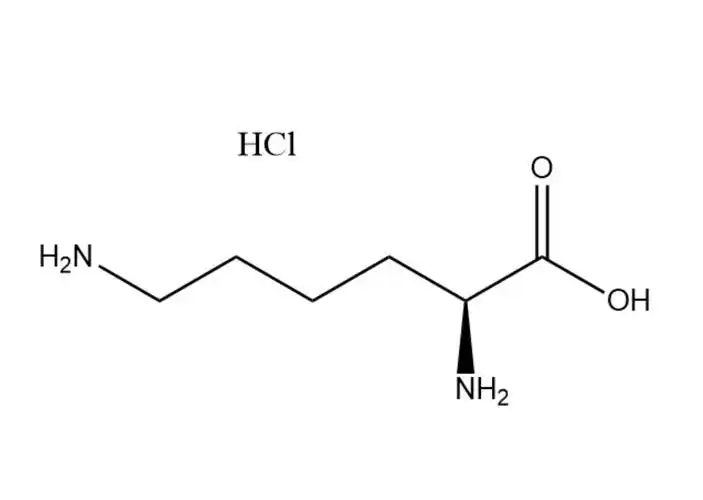
L-tryptophan
L-tryptophan is naturally abundant in various protein-rich foods, with the following being key dietary sources: Animal products: Turkey, chicken, fish (e.g., salmon, tuna), eggs, dairy (milk, yogurt, cheese) are among the richest sources. For example, 100 grams of turkey breast contains approximately 0.3 grams of tryptophan. Plant-based foods: Legumes (lentils, chickpeas), nuts and seeds (pumpkin seeds, almonds), whole grains (oats, quinoa), and some fruits and vegetables (spinach, bananas) also provide moderate amounts, though generally less than animal sources. These natural sources contribute to daily tryptophan intake, supporting basic physiological functions like protein synthesis and neurotransmitter production.
Other supplier products
|
|
Glycine |
Glycine is the smallest, simplest and most important natural amino acid. It is not only a fundamental substance for life but also an extremely vers... |
|
|
Key Notes on Applications of L-Methionine |
Key Notes on Applications of L-Methionine Purity Requirements: Food-grade and pharmaceutical-grade L-Methionine require high purity (≥98%) to en... |
|
|
Sucralose Purchase price |
Sucralose, as a high-sweetness, calorie-free, and highly stable artificial sweetener, enjoys wide application in various fields such as food, bever... |
|
|
DL-Alanine |
Due to its mild sweetness and low calorie content, DL-Alanine is used as apartial sugar substitutein low-sugar or sugar-free foods, helping to main... |
|
|
Specific Application Fields of Inositol |
Specific Application Fields of Inositol 1. Food and Functional Nutrition Industry As a natural nutritional fortifier and vitamin B-group substance,... |
供应产品
Same products