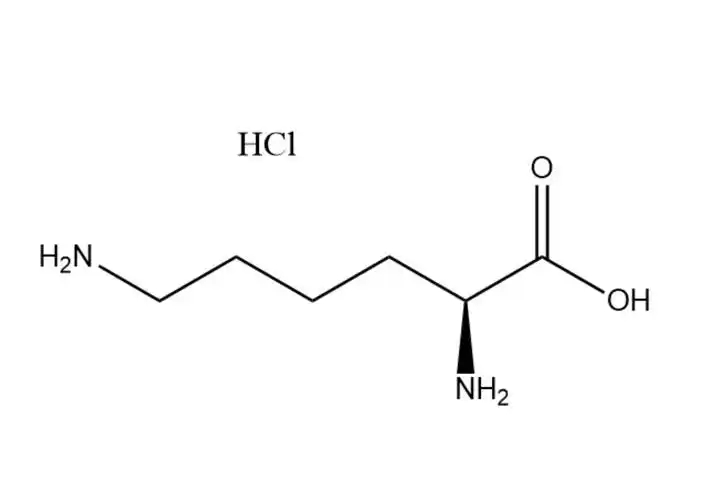
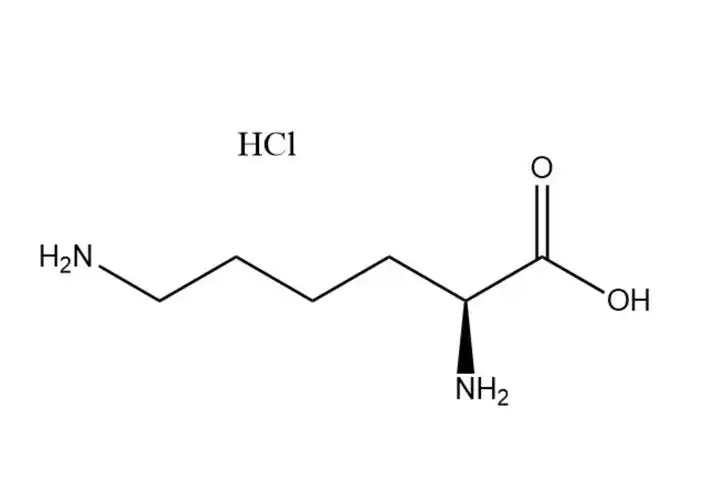
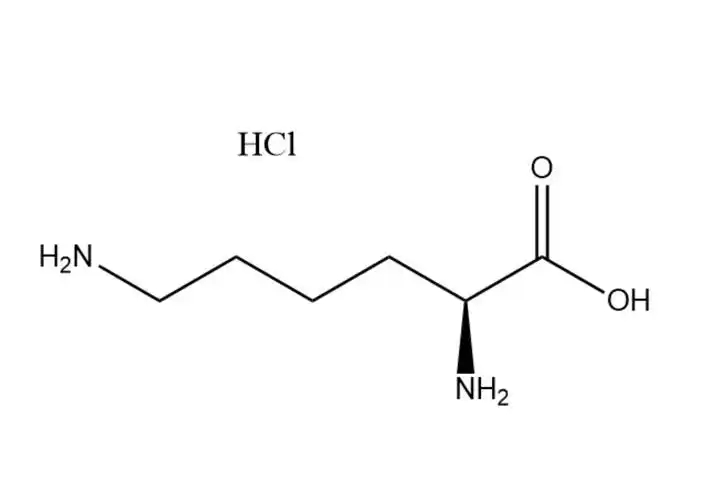
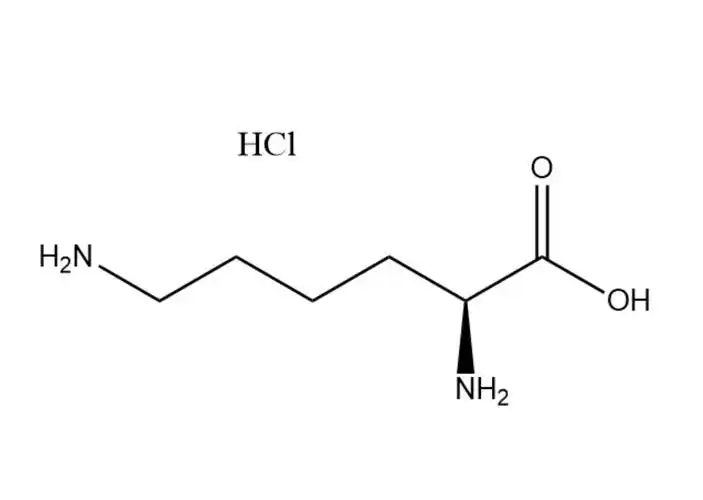
L-Lysine monohydrochloride
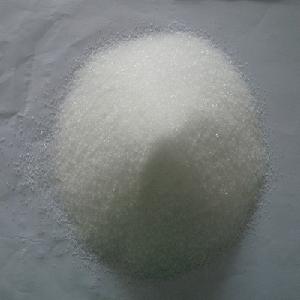
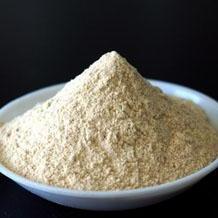
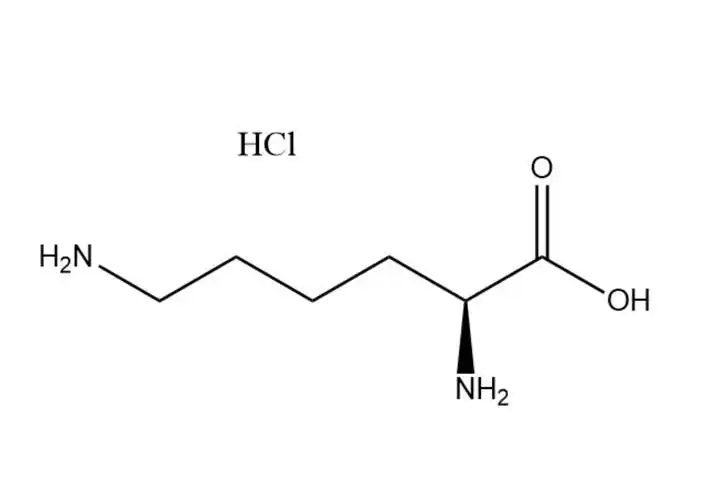
L-Lysine monohydrochloride (molecular formula: C6H14N2O2⋅HCl, CAS No.: 657-27-2) is the hydrochloride salt form of L-lysine—an essential amino acid for humans and animals that cannot be synthesized de novo and must be obtained from dietary or supplemental sources. The hydrochloride salt is the most commercially used form of L-lysine due to its superior water solubility, chemical stability, and crystallinity compared to free L-lysine (which is prone to hygroscopy and oxidation). Below is a systematic and detailed summary of its core physical and chemical properties, covering molecular characteristics, physical properties (appearance, solubility, melting point, etc.), chemical reactivity, and stability—key parameters for its production, formulation, application, and storage in the food, feed, pharmaceutical, and nutraceutical industries.
Other supplier products
|
|
Storage Method of Inositol |
Storage Method of Inositol 1. Environmental conditions Store in a cool, dry, clean and well‑ventilated place; keep away from high temperature, dire... |
|
|
Bulk Supply L-Methionine powder |
Industrial Biotechnology: Used as a precursor in the synthesis of bioactive molecules (e.g., S-adenosylmethionine, glutathione) for biopharmaceutic... |
|
|
L-Methionine Marke quotation |
As one of the nine essential amino acids, L-Methionine is a core building block for protein synthesis, serving two critical purposes: It acts as th... |
|
|
DL-Alanine Powder Price |
The original commercial packaging of DL-Alanine is designed for its stability:
Unopened products: Keep in the original sealed bag/bucket (usually... |
|
|
Xanthan Gum Long-term Partner |
1. Introduction Xanthan gum, also known as yellow gum, Hansheng gum, xanthomonas polysaccharide, is a kind of monosporous polysaccharide produced b... |
All supplier products
Same products