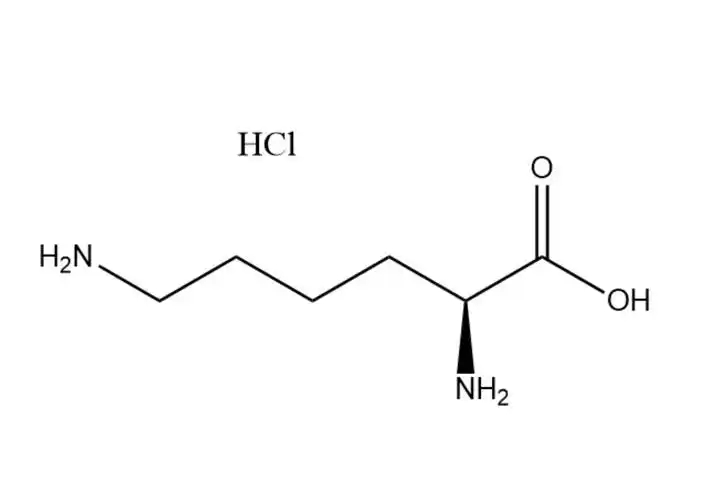
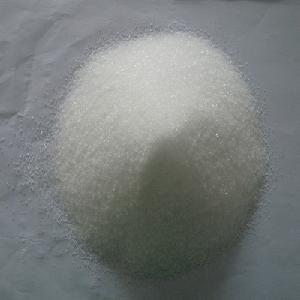
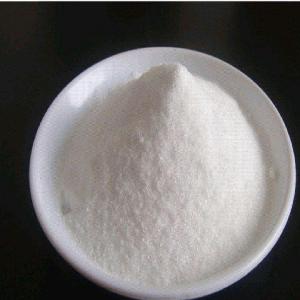
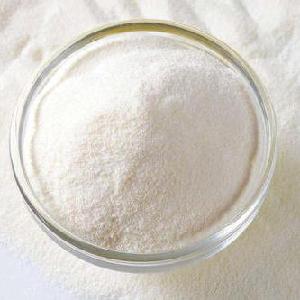
L-Lysine monohydrochloride
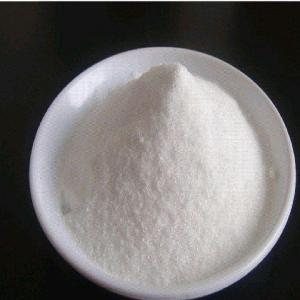
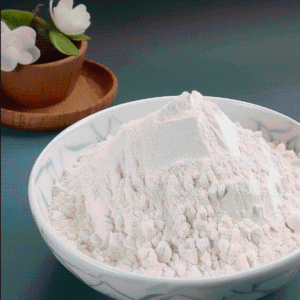
L-Lysine monohydrochloride (molecular formula: C6H14N2O2⋅HCl, CAS No.: 657-27-2) is the hydrochloride salt form of L-lysine—an essential amino acid for humans and animals that cannot be synthesized de novo and must be obtained from dietary or supplemental sources. The hydrochloride salt is the most commercially used form of L-lysine due to its superior water solubility, chemical stability, and crystallinity compared to free L-lysine (which is prone to hygroscopy and oxidation). Below is a systematic and detailed summary of its core physical and chemical properties, covering molecular characteristics, physical properties (appearance, solubility, melting point, etc.), chemical reactivity, and stability—key parameters for its production, formulation, application, and storage in the food, feed, pharmaceutical, and nutraceutical industries.
Other supplier products
|
|
DL-Alanine |
While not a direct preservative, DL-Alanine can indirectly help maintain food quality and extend shelf life through two auxiliary mechanisms: 1. Mo... |
|
|
Sucralose |
Sucralose is a highly sweetening sweetener with excellent properties. It is a white powder product that readily dissolves in water (solubility 28.2... |
|
|
L-Threonine |
L-Threonine is an essential amino acid with specific physical properties that influence its behavior in biological systems and industrial applicati... |
|
|
Sucralose |
Sucralose is a trichloro derivative of sucrose (4,1',6'-trichloro-4,1',6'-dideoxy-galactosucrose), and its physical properties are influenced by th... |
|
|
L-Methionine |
L-Methionine, an essential sulfur-containing amino acid, cannot be endogenously synthesized by humans and most monogastric animals (e.g., chickens,... |
供应产品
Same products