

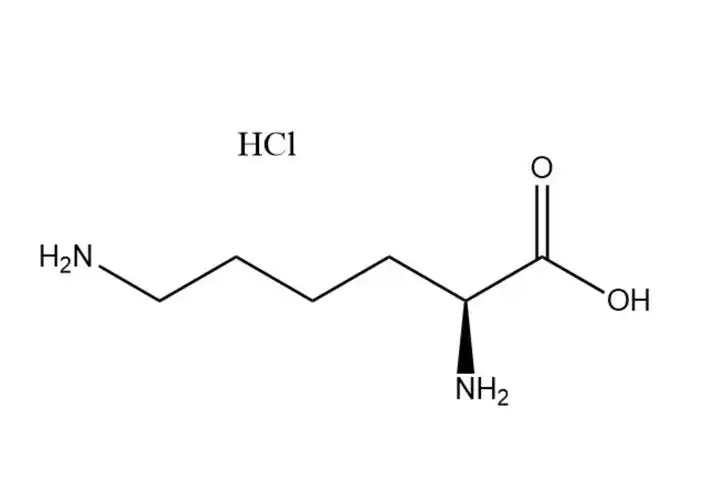
L-Lysine monohydrochloride

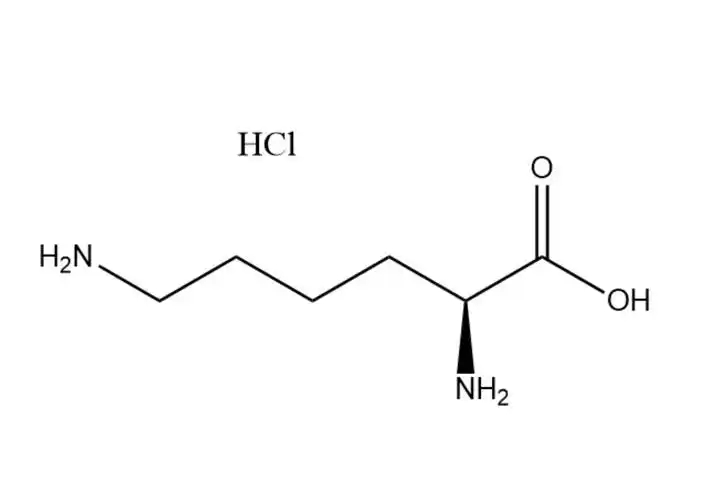
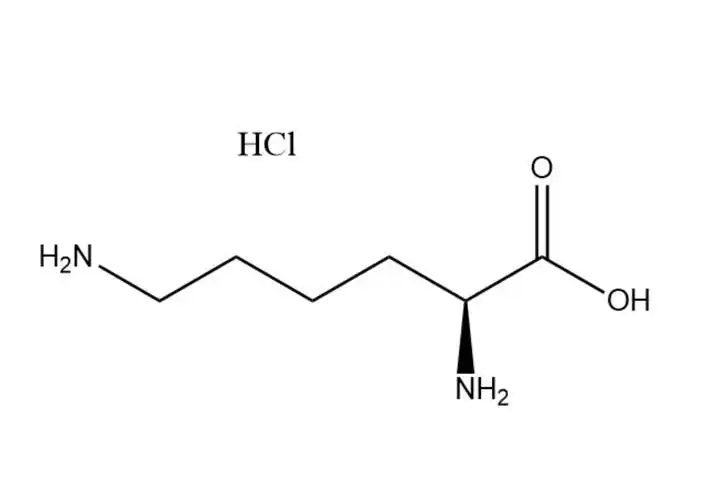
L-Lysine monohydrochloride (molecular formula: C6H14N2O2⋅HCl, CAS No.: 657-27-2) is the hydrochloride salt form of L-lysine—an essential amino acid for humans and animals that cannot be synthesized de novo and must be obtained from dietary or supplemental sources. The hydrochloride salt is the most commercially used form of L-lysine due to its superior water solubility, chemical stability, and crystallinity compared to free L-lysine (which is prone to hygroscopy and oxidation). Below is a systematic and detailed summary of its core physical and chemical properties, covering molecular characteristics, physical properties (appearance, solubility, melting point, etc.), chemical reactivity, and stability—key parameters for its production, formulation, application, and storage in the food, feed, pharmaceutical, and nutraceutical industries.
Отправить запрос, связаться с поставщиком
Другие товары поставщика
 |
L-Methionine in Cosmetic and Personal Care Applications L-Methionine is incorporated into cosmetic and personal care products due to its role in maintaining skin, hair, and nail health: Skin Care Prod | L-Methionine in Cosmetic and Personal Care Applications L-Methionine is incorporated into cosmetic and personal care products due to its role in ma... |
 |
DL-methionine powder | DL-Methionine, chemically known as DL-2-amino-4-(methylthio)butanoic acid, is a racemic mixture of L-methionine and D-methionine. As an essential s... |
 |
L-Cysteine hydrochloride monohydrate | Environmental ConditionsTemperature ControlStore at Room Temperature: Ideally between 15–25°C (59–77°F). Avoid extreme heat or ... |
 |
Raw Material | Acid-Base Behavior of L-tryptophan L-tryptophan is an amphoteric compound, capable of acting as both an acid (via carboxyl group) and a base (via a... |
 |
DL-Alanine | DL-Alanine is a racemic mixture of two optical isomers: L-Alanine (L-α-alanine) and D-Alanine (D-α-alanine). As a type of α-amino... |
Похожие товары
 |
Deboom Energetic Graphene Oil Additive | Продавец: Shanghai Aikebao New Material Technology Co., Ltd | Asgraphene oil additive manufacturerspecializing in automotive solutions, we understand the criti... |
 |
L-Lysine monohydrochloride as nutrient additives | Продавец: Shanghai Yifu Food Ingredients Co., Ltd | Free L-lysine is highly hygroscopic—it absorbs atmospheric moisture rapidly at relative hum... |
 |
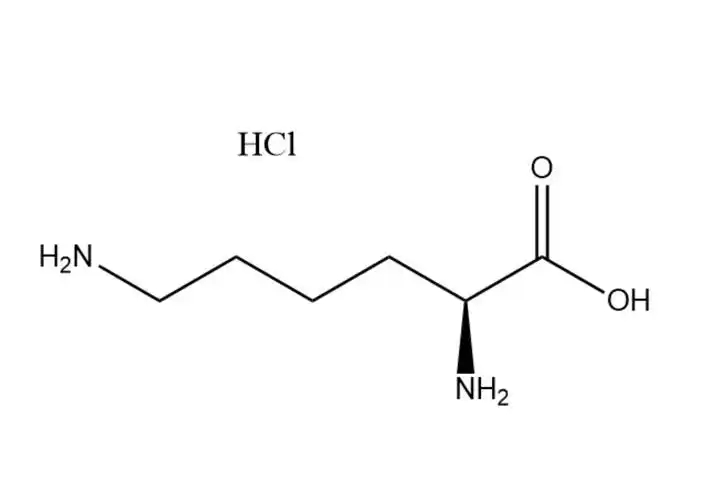
L-Lysine monohydrochloride | Продавец: Shanghai Yifu Food Ingredients Co., Ltd | L-Lysine monohydrochloridehas a higher aqueous solubility than free L-lysine: ~70 g/100 mL at 25 ... |
 |
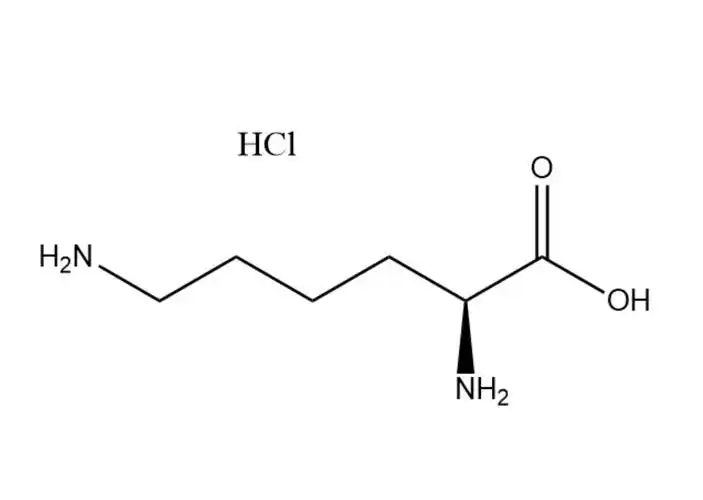
L-Lysine monohydrochloride | Продавец: Shanghai Yifu Food Ingredients Co., Ltd | The most prominent performance advantage ofL-Lysine monohydrochloride is its optimized physical a... |
 |
L-Lysine monohydrochloride | Продавец: Shanghai Yifu Food Ingredients Co., Ltd | L-Lysine monohydrochloride (L-Lys·HCl) is the dominant commercial form of L-lysine—a... |

