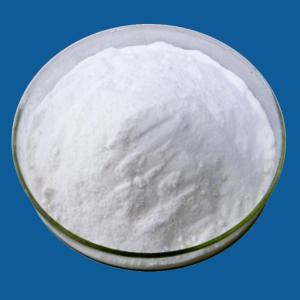
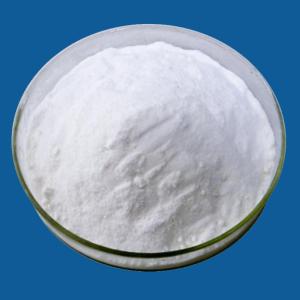
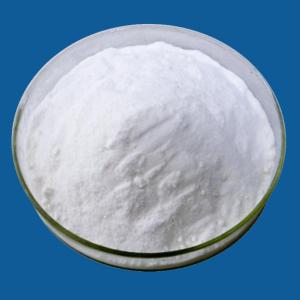
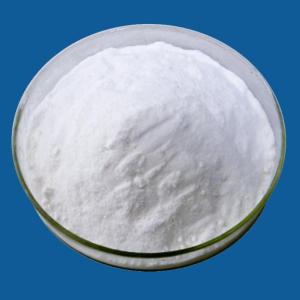
N‑Acetyl‑L‑Tryptophan
N‑Acetyl‑L‑Tryptophan of Chemical Properties
1. Acidity & pKa
Carboxyl Group (–COOH): pKa = 3.65 ± 0.10 (predicted)
Amide & Indole NH: No significant ionization in pH 1–12.
pH of Aqueous Solution: ~4.5 (1% suspension)
2. Hydrolysis
Acidic Hydrolysis (1 M HCl, 100 °C): Cleaves acetamide bond → L‑tryptophan + acetic acid.
Neutral/Basic Hydrolysis: Slow at room temperature; rapid at pH >10 and 80 °C.
3. Reactions
Acetamide Group: Undergoes deacetylation, amidation, or condensation with aldehydes.
Indole Ring: Electrophilic substitution (e.g., nitration, halogenation) at C‑2/C‑3; oxidation by strong oxidants (e.g., KMnO₄) to form indigo derivatives.
Carboxyl Group: Forms esters (with alcohols) or salts (with NaOH/NH₃).
4. Racemization
Conditions: High temperature (>150 °C) or strong base (pH >12).
Rate: Slow under normal processing; <1% racemization at pH 7 and 100 °C for 2 h.
Other supplier products
|
|
N-Acetyl-DL-Tryptophan |
N‑Acetyl‑DL‑tryptophan is a synthetic, racemic derivative of the amino acid tryptophan, widely used as a biochemical reagent, pharmaceutical interm... |
|
|
Glycyl-glycine Purchase price |
Glycyl-glycine provides support for metabolic health Emerging research suggests potential benefits in metabolic contexts: As a glycine precursor, g... |
|
|
Cystine Disodium Salt Price |
Thermal and Storage Stability ofCystine Disodium Salt
Thermal stability: Cystine Disodium Salt is stable under moderate heating (≤ 100 °... |
|
|
High purity Cystine Disodium Salt Powder |
Cystine Disodium Salt is used as a standard reference material in biochemical analysis due to its high purity and stable chemical properties:
... |
|
|
High quality L-Cystine dihydrochloride |
L‑Cystine dihydrochloride is a pharmaceutical‑grade and cell‑culture‑grade amino acid derivative, widely used in biomanufacturing, cell culture, pa... |
All supplier products
Same products