

Squamous Cell Carcinoma (SCC)

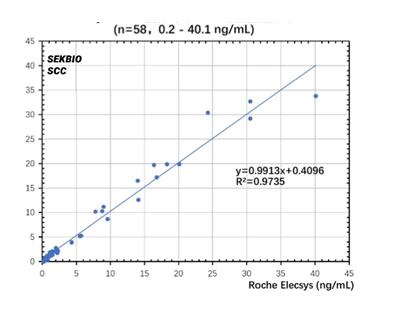
Squamous cell carcinoma (SCC Tumor Marker) antigen is a 48kDa glycoprotein initially isolated from a squamous cancer of the uterine cervix.
Immunohistochemically, SCC is a cytoplasmic protein of normal and cancerous squamous cells.
Studies have indicated that SCC antigen is a good marker for diagnosis and monitoring the effectiveness of treatment of SCCs.
The clinical significance of SCC is as follows:
Squamous Cell Carcinoma (SCC Marker) Products
|
Antibody |
Application |
|
Mouse anti-human SCC mAb |
For immunodiagnostic: ELISA, LFA, CLIA |
|
Humanized anti-human SCC mAb |
|
|
Prokaryotic expression antigen (full length) |
|
Antigen |
Application |
|
Prokaryotic expression antigen (full length) |
For immunodiagnostic: ELISA, LFA, CLIA |
SCC Tumor Marker
Squamous cell carcinoma, also known as epidermal carcinoma, is a malignant tumor that occurs in the epidermis or adnexal cells, and the cancer cells have different degrees of keratinization. It is more common in areas covered by squamous epithelium, such as the skin, mouth, lips, esophagus, cervix, vagina, etc. In addition, some parts such as the bronchus, bladder, renal pelvis, etc., although not covered by squamous epithelium, can form squamous cell carcinoma through squamous metaplasia.
SCC AG
Serum scc ag testassay has high specificity for diagnosing various squamous cell carcinomas. It is an effective and sensitive marker for squamous cell carcinomas of the vulva, vagina, and cervix. For primary cancer of the vulva and vagina, the sensitivity is 40%-50%; for primary cervical squamous cell carcinoma, the diagnostic sensitivity can reach 50%-70%; the sensitivity for the diagnosis of recurrent cancer can get 65%-85%. The serum SCCA in patients with cervical cancer is positively correlated with the clinical stage. The rise and fall of the SCCA level are consistent with the progression or improvement of the disease. Dynamic monitoring of serum SCCA levels can indicate cervical cancer disease monitoring. Serum SCCA levels in patients with cervical cancer rise again after treatment, or serum SCCA is negative before treatment. Elevated SCCA levels are earlier than clinical signs of recurrence or imaging suggestive of tumor recurrence.
It is worth noting that SCCA can also be found in normal body fluids such as sweat, saliva, and other body fluids. If such body fluids contaminate the specimen, even sneezing may pollute the specimen and cause false positives. Therefore, the sample with elevated SCCA should be repeated for determination.
For more informationabout scc antigen, please feel free to contact us!
As a professional tumor marker factory, SEKBIOhas high-quality inflammatory markerfor sale. Welcome to contact us if needed.
Send product request
Other supplier products
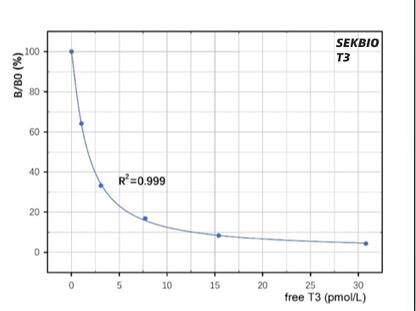 |
Triiodothyronine (T3) | Triiodothyronine, also known as T3, is a thyroid hormone. It affects almost every physiological process in the body, including growth and developme... |
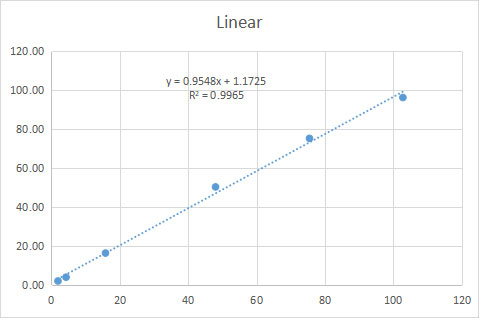 |
Prostate-Specific Antigen (PSA Tumor Marker) | Prostate-specific antigen (PSA specific antigen), also known as gamma-selenoprotein or kallikrein-3, is a glycoprotein enzyme encoded in humans by ... |
 |
Human Progastrin-releasing Peptide (ProGRP) | ProGRPtumormarkeris a recently identified biomarker of small cell lung cancer (SCLC). ProGRPtumor marker is a precursor of a neuropeptide hormone c... |
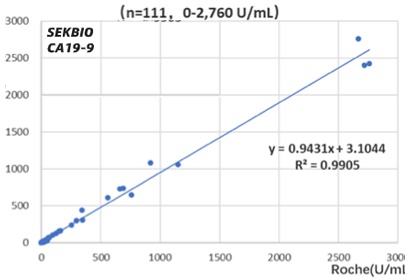 |
CA19-9 | Cancer antigen 19-9 refers to a tumor marker associated with pancreatic, gallbladder, colon, and stomach cancers and is also known as an associated... |
 |
25-OH Vitamin D | Vitamin D is converted to 25-hydroxyvitamin D (25-OH-VD) by hydroxylation in the liver and the active 1, 25-dihydroxy vitamin D in the kidneys. ... |
Same products
 |
TL-168 Micro Piston Nebulizer | Seller: Dongguan Yixin Transmission Machinery Co., Ltd. | TL-168 Micro Piston Nebulizer DC motor atomizer is a new type of atomization equipment that adop... |
 |
Silent Atomizer, Household Atomizer, Ultrasonic Atomizer | Seller: Dongguan Yixin Transmission Machinery Co., Ltd. | Core Features:1. Noise level: ≤ 35dBA Ultra quiet, caring for every peace,2. Input voltage: 10... |
 |
TL-100D Pediatric Compressor Nebulizer | Seller: Dongguan Yixin Transmission Machinery Co., Ltd. | TL-100D Pediatric Compressor Nebulizer 2. Traffic: 6-8 ipm3. Working pressure: 8-16psi4. Compr... |
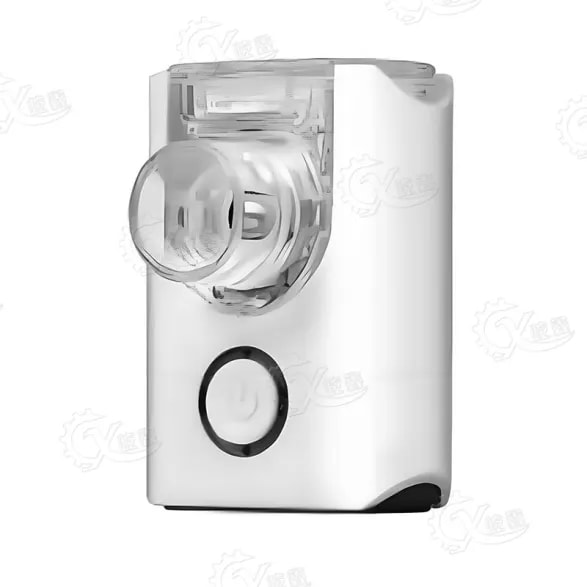 |
TL182 Mini Mesh Nebulizer | Seller: Dongguan Yixin Transmission Machinery Co., Ltd. | TL182 Mini Mesh Nebulizer 1: The appearance is portable, lightweight, and easy to carry,2: A noi... |
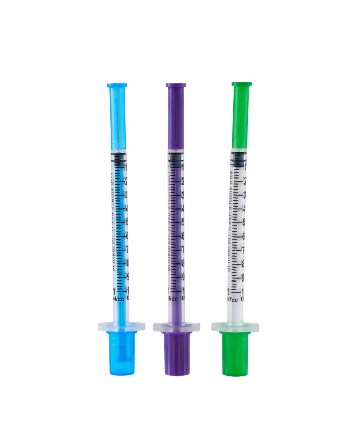 |
Disposable Insulin Syringe | Seller: 866413 | Zhejiang INI Medical Devices Co., Ltd. offers medical device solutions designed to support conven... |

