

DSC Differential Scanning Calorimeter

Whats/App: +86 156 1874 6768
Web: standard-groups.com
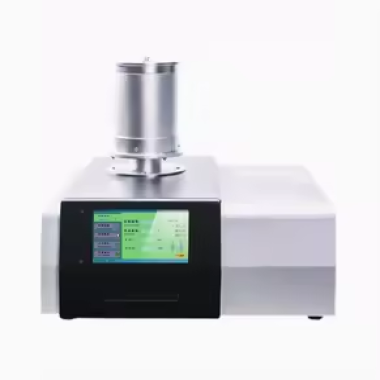
The Differential Scanning Calorimeter (DSC) measures heat flow to/from a sample (1-10 mg) in a closed crucible within a temperature-controlled furnace, using a reference crucible. It operates in dynamic (constant heating rate) or isothermal (constant temperature) modes, measuring heat flow as a function of time and temperature.
Application:
It is used to analyze the thermal effect and corresponding temperature when the physical or chemical properties of organic and inorganic materials change under the program temperature control. It can test and analyze the melting point and enthalpy change of the sample, and can also be used to determine the time of automatic catalytic oxidation of the sample under the condition of normal temperature oxygen to evaluate the thermal stability of the sample, suitable for plastics and rubber materials.
Standard:
ASTM D3418 – Standard Test Method for Transition Temperatures and Enthalpies of Fusion and Crystallization of Polymers by Differential Scanning Calorimetry.
ASTM D3895 – Standard Test Method for Oxidative-Induction Time of Polyolefins by Differential Scanning Calorimetry.
ASTM D4419 – Standard Test Method for Measurement of Transition Temperatures of Petroleum Waxes by Differential Scanning Calorimetry.
ASTM D4591 – Standard Test Method for Determining Temperatures and Heats of Transitions of Fluoropolymers by Differential Scanning Calorimetry.
ASTM D5028 – Standard Test Method for Curing Properties of Pultrusion Resins by Thermal Analysis.
ASTM E793 – Standard Test Method for Enthalpies of Fusion and Crystallization by Differential Scanning Calorimetry.
ASTM E794 – Standard Test Method for Melting and Crystallization Temperatures By Thermal Analysis.
ASTM E1269 – Standard Test Method for Determining Specific Heat Capacity by Differential Scanning Calorimetry.
ASTM E1356 – Standard Test Method for Assignment of the Glass Transition Temperatures by Differential Scanning Calorimetry.
ASTM E1782 – Standard Test Method for Determining Vapor Pressure by Thermal Analysis.
ASTM E2160 – Standard Test Method for Heat of Reaction of Thermally Reactive Materials by DSC.
ASTM E2716 – Standard Test Method for Determining Specific Heat Capacity by Sinusoidal Modulated Temperature Differential Scanning Calorimetry.
GB/T17391-1998 –Test method for thermal stability of polyethylene pipes and fittings
1S011357-6 –:Plastics — Differential scanning calorimetry (DSC) — Part 6: Determination of oxidation induction time (isothermal OIT) and oxidation induction temperature (dynamic OIT)
ASMT D3895 –Standard Test Method for Oxidative Induction Time of Polyolefins by Differential Scanning Calorimetry (DSC)
GB/T –Plastics — Differential scanning calorimetry (DSC) — Part 3: Determination of temperature and enthalpy of melting and crystallization
1S011357-3 –Plastics — Differential scanning calorimetry (DSC) — Part 3: Determination of temperature and enthalpy of melting and crystallization
Features:
The instrument has stable performance, high precision and good repeatability!
Designed for measuring oxidation induction period in plastics and rubber industry:
Integrated design, temperature control and furnace device into one, reduce signal loss and interference, beautiful and exquisite appearance;
The furnace body adopts the upper cover structure, no need to lift the furnace body, convenient loading sample:
Equipped with standard material, users can carry out their own calibration of each temperature segment, reduce the error of the instrument;
High resolution data acquisition system, real-time data acquisition;
Intelligent adaptive monolithic microprocessor temperature control system, temperature control speed, high precision;
Perfect two-way atmosphere control system, using the original imported flow valve from the United States, can realize the automatic switching of ammonia to hydrogen in the measurement process:
Powerful management software to calculate oxidation induction period, epitaxial starting temperature, glass transition temperature, enthalpy variables. Enthalpy change ratio and other parameters;
Simple operation method, to achieve one-click testing, test results can be saved and printed:
Computer real-time display instrument status, test data and curves, easy to view.
Parameters:
| Description | Details |
|---|---|
| DSC ranges | ±10. +20. +40. +100. +160. +200mW (can be automatically switched) |
| Temperature range | RT - 500°C |
| Temperature accuracy | +0.1°C |
| Heating rate | 1 - 30°C/min |
| Gas supply system | Nitrogen, oxygen automatic switching (user-selectable) |
| Gas flow rate | ≤200ml/min |
| Gas pressure | 0.2MPa |
| Crucible material | Aluminum |
| Power supply | AC 220V 50Hz |
| Overall dimensions | 400x350x280mm |
| Weight | 10kg |
Accessoriess
Sample preparation press
Sealing lid and crucible gasket
Cleaning tool kit
DSC sensor
Heating furnace and main unit
Sample cell and reference cell
Aluminum crucible
Corundum crucible
High-pressure crucible
Reference material
Automatic sampler
Optical accessories
Evolved gas analysis interface
Test Procedures
Sample Preparation: Accurately weigh the sample, usually 5-20 milligrams, ensuring sample homogeneity and avoiding contamination.
Reference Material Selection: Select a suitable reference material, such as an inert material or a material with known thermal properties, for calibration and data comparison.
Experimental Condition Setting: Set the programmed heating conditions according to customer requirements; typically, the heating rate is 5°C/min.
Starting the Experiment: Start the DSC instrument and begin scanning, recording the real-time heat flow curve.
Data Analysis: Use the reference material data for baseline correction to eliminate the influence of instrument and environmental factors.
Result Interpretation: Interpret the experimental results based on the heat flow curve and the chemical and physical properties of the material.
Send product request
Other supplier products
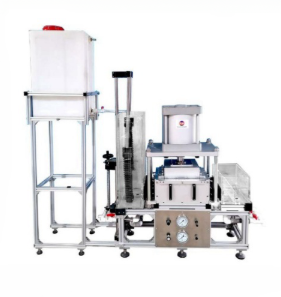 |
Advanced horizontal permeability test bench | Whats/App: +86 156 1874 6768 Web: standard-groups.com The geosynthetic material horizontal permeability tester simulates water flow conditions in... |
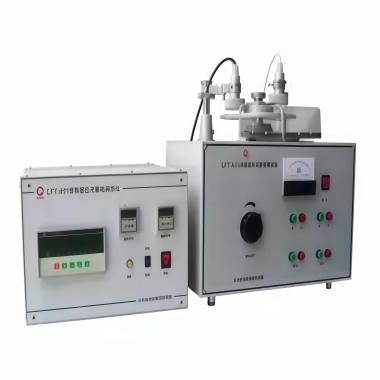 |
Carpet Static Electricity Tester | Whats/App: +86 156 1874 6768 Web: standard-groups.com Test Principle When a person walks on the inspected carpet wearing the shoes specified in ... |
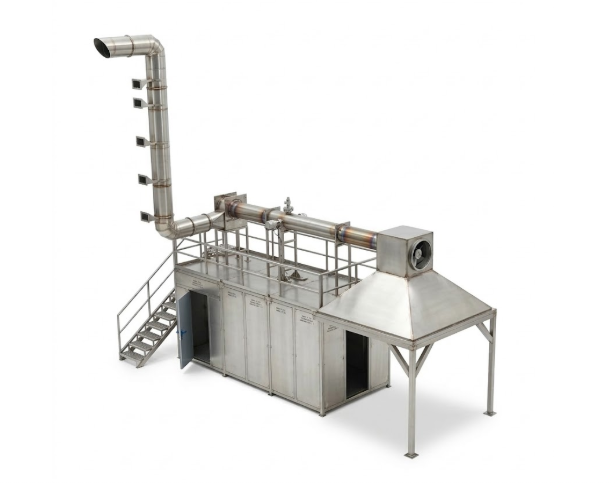 |
Room corner fire testing equipment | Whats/App: +86 156 1874 6768 Web: standard-groups.com Application You can use this apparatus in the following scenarios: Full-scale fire perfor... |
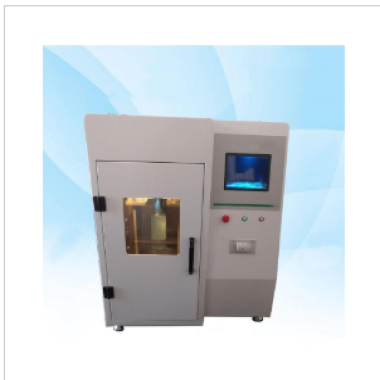 |
Glass Bottle Internal Pressure Resistance Tester | Whats/App: +86 156 1874 6768 Web: standard-groups.com Introduction The internal pressure resistance tester for glass bottles is a device specifi... |
 |
Leather Shoe Hook Core Longitudinal Bending Stiffness Tester | Whats/App: +86 156 1874 6768 Web: standard-groups.com The Leather Shoe Hook Core Longitudinal Bending Stiffness Tester is designed to measure the... |
Same products
 |
KL‑016A Benchtop High‑precision pH Meter | Seller: Kelilong Electron Co.Ltd | Product Description: Large‑screen display with high resolution and precision for con... |
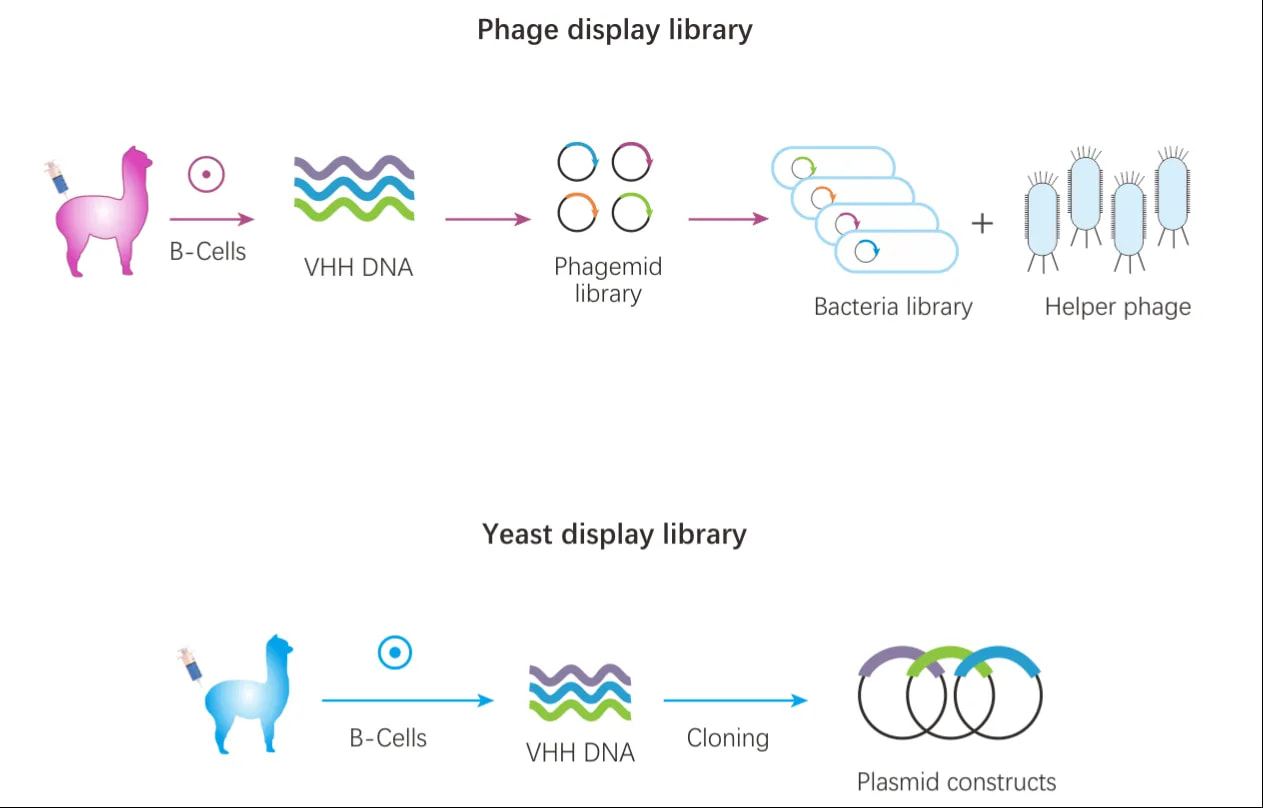 |
Large Naïve VHH Library | Seller: AlpVHHs | Large Naïve VHH Library VHHare single-domain antibodies derived from the variable regions o... |
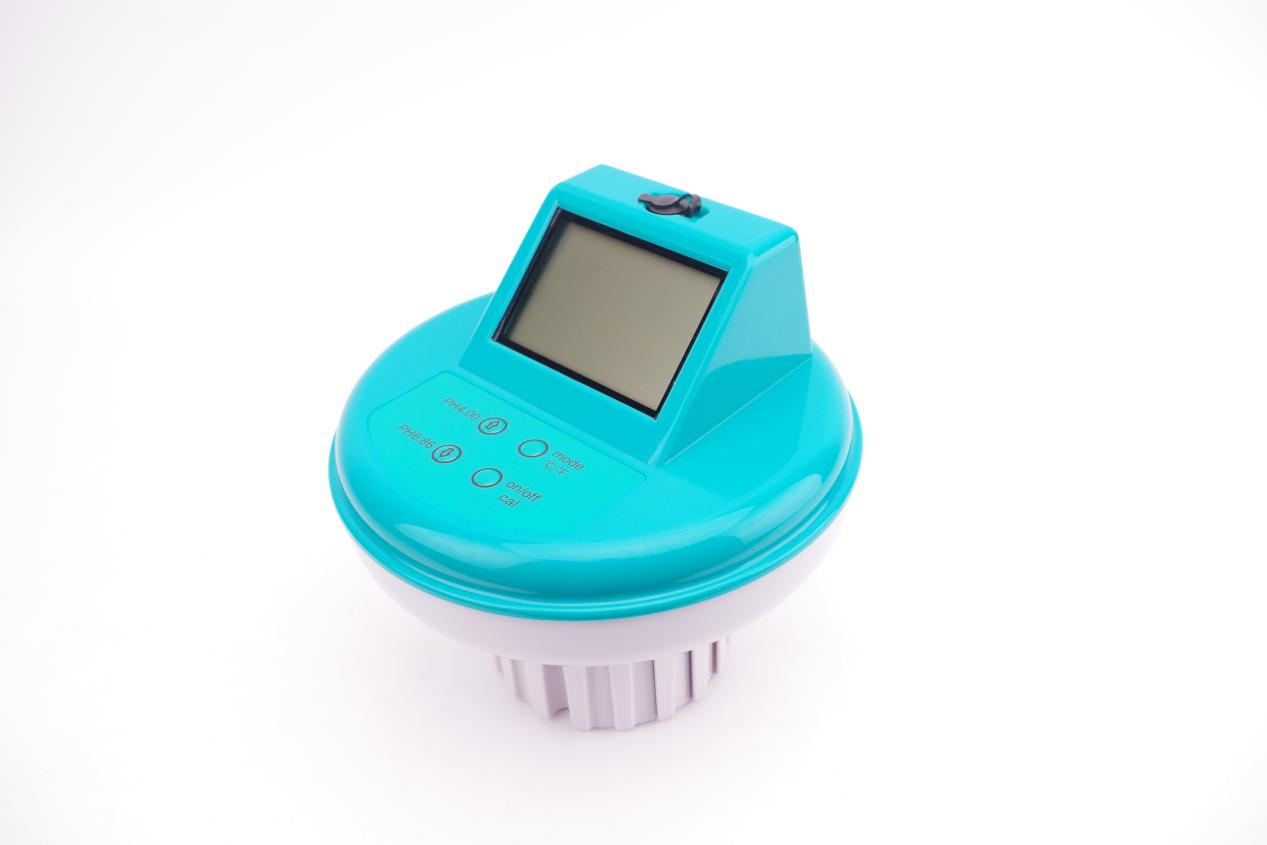 |
pH-2398 pH/EC/ORP/Temperature multi-parameter Water Quality Tester | Seller: Kelilong Electron Co.,Ltd | Feature Large display screen, capable of simultaneously measuring water quality pH, redox potent... |
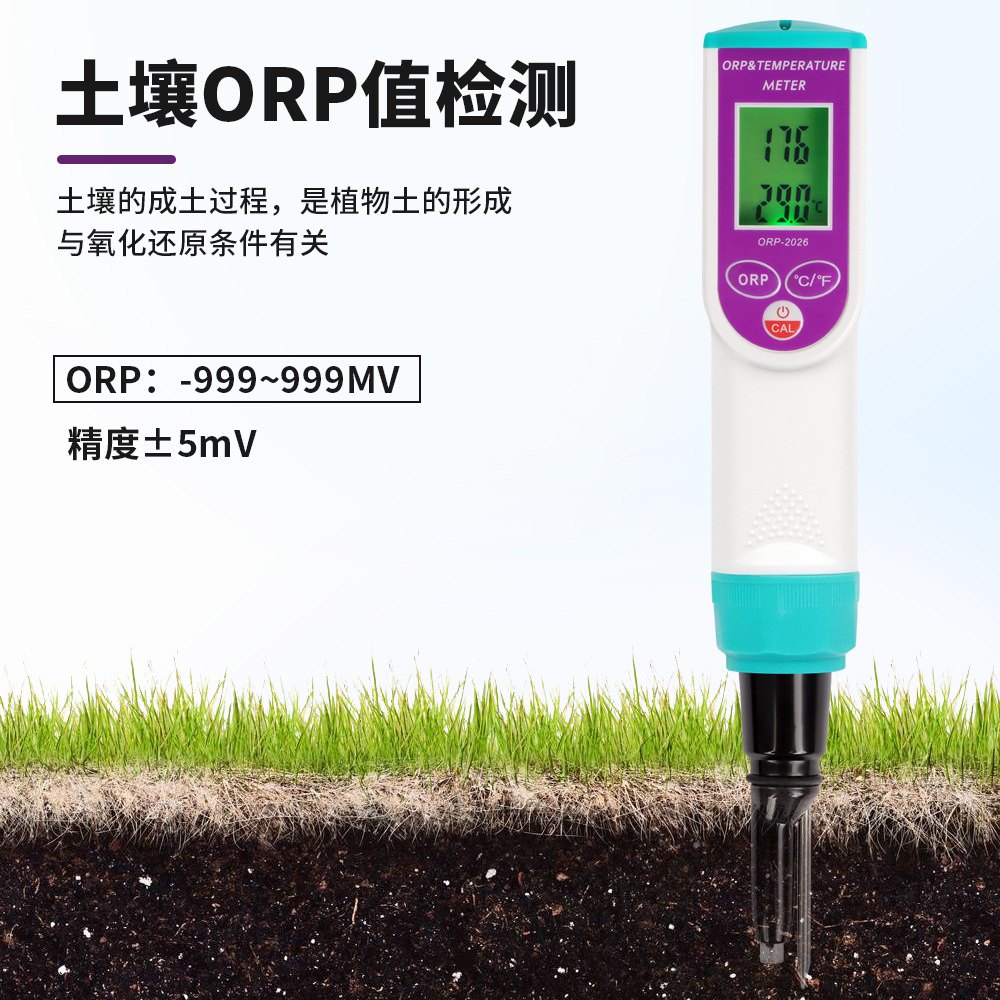 |
ORP-2026S Waterproof Soil ORP and Temperature Meter | Seller: Kelilong Electron Co.,Ltd | 范围 ORP -999~999mV Temp 0~50℃ 分辨率 ORP 1mV... |
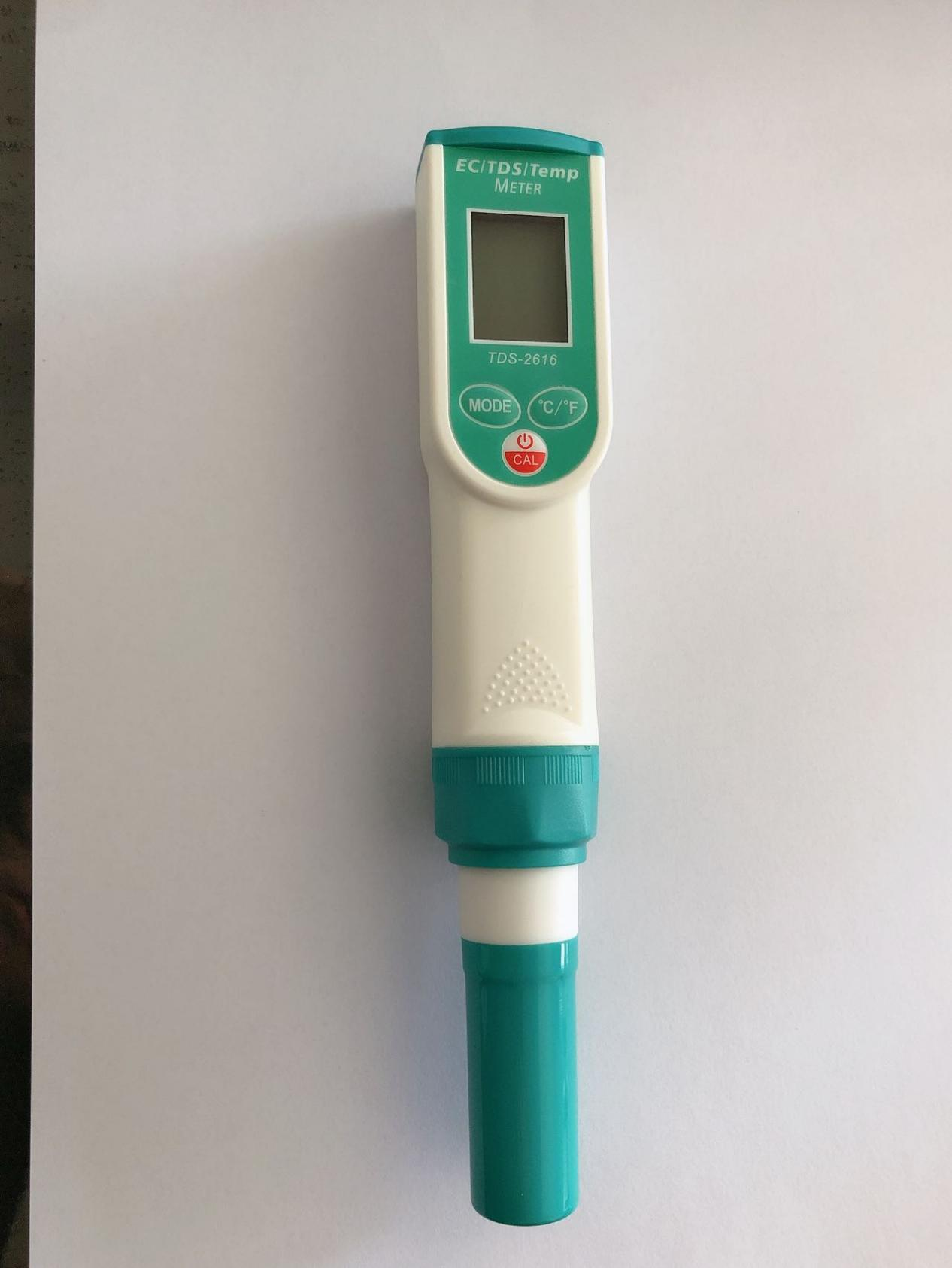 |
TDS-2616 Waterproof EC/TDS/Temperature Meter | Seller: Kelilong Electron Co.,Ltd | Range EC ~19.9mS TDS Temp 0~50℃ R... |

