

Rubber Low Temperature Brittleness Tester

Whats/App: +86 156 1874 6768
Web: standard-groups.com
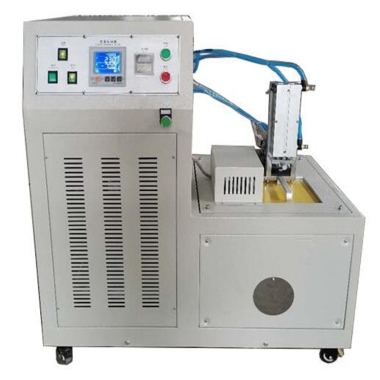
The Rubber Low Temperature Brittleness Tester determines the temperature at which rubber and plastic samples become brittle under impact conditions. It allows comparative evaluation of non-rigid plastics and other elastic materials under low temperature environments, assessing advantages, limitations, and low-temperature performance. The equipment uses cascade compressor refrigeration, heat balance, and circulation stirring technology to achieve uniform cooling and precise temperature control. There are two models: one for rubber and one for plastic.
Applications
(1) Rubber automotive parts: tires, seals, hoses.
(2) Footwear components: rubber soles, midsoles, and elastomeric materials.
(3) Industrial rubber products: conveyor belts, vibration dampers.
(4) Plastic components: thermoplastic elastomers, PVC, PU sheets.
(5) Laboratory research: evaluating low-temperature brittleness for R&D of polymers.
(6) Quality control: monitoring material performance in production and ensuring compliance with standards.
Standards
(1) ISO 812 — Rubber, vulcanized or thermoplastic: Determination of low-temperature brittleness
(2) GB/T 15256 — Rubber, vulcanized or thermoplastic: Determination of low-temperature brittleness
(3) JIS K 6261-2006 — Rubber, vulcanized or thermoplastic: Low-temperature property determination
(4) ASTM D2137 — Rubber property: Brittleness point of flexible polymers and coated fabrics
Features
(1) Measures low-temperature brittleness point of rubber and plastic, critical for material selection and durability evaluation.
(2) Uses cascade compressor refrigeration for rapid and uniform cooling.
(3) Precise temperature control with minimal fluctuation (±0.5°C).
(4) Fully automatic cooling and constant temperature maintenance.
(5) Suitable for laboratory research, production monitoring, and quality control.
Technical Parameters
| Item | Specification |
|---|---|
| Temperature control range | -80℃ (room temp ≤25℃); models available for -60℃, -70℃, -80℃ |
| Cooling speed | 0 → -20℃: 1.2–20℃/min -20 → -30℃: 1.0–30℃/min -30 → -40℃: 0.7–60℃/min -40 → -60℃: 0.7℃/min -60 → -80℃: 0.5℃/min |
| Temperature fluctuation (after constant) | < ±0.5℃ within 3 min |
| Overall size | 900 × 505 × 800 mm (L × W × H) |
| Test chamber size | 220 × 170 × 70 mm (L × W × H) |
| Cooling medium | Ethanol or other non-freezing liquid |
| Mixing motor | 15 W |
| Power supply | 220–240 V, 50 Hz, 2 kW |
Test Procedures
(1) Prepare the sample according to the standard size for rubber or plastic.
(2) Fill the test chamber with ethanol or other non-freezing liquid.
(3) Mount the sample securely in the sample holder.
(4) Set the desired target temperature and cooling rate on the controller.
(5) Start the machine; it will cool the sample automatically to the set temperature.
(6) Apply the specified impact to the sample to determine brittleness point.
(7) Record the temperature at which the sample fractures or fails.
(8) Repeat for multiple samples as needed.
Accessories
(1) User manual
(2) Delivery note
(3) Standard sample holders / clamps (depending on material type)
(4) Spare fuses
(5) Cooling medium container (if supplied)
Maintenance
(1) Keep the exterior and interior of the test chamber clean and free from debris.
(2) Replace or replenish cooling medium as needed to maintain proper performance.
(3) Check the mixing motor and compressor regularly for wear or abnormal noise.
(4) Inspect electrical connections and fuses periodically.
(5) Verify temperature calibration periodically using a certified thermometer.
(6) Store the machine in a dry, ventilated environment to prevent corrosion.
Send product request
Other supplier products
 |
ISO 16890 Air Filter Test System for Gas Turbine Manufacturer | Get a quote: Whats/App: +86 156 1874 6768 Web: standard-groups.com E-mail:info@standard-groups。com Principle A defined volume flow rate is suc... |
 |
Helmets Designated Protection Areas Tester | Whats/App: +86 156 1874 6768 Web: standard-groups.com The helmet designated protection area testing device is a piece of equipment used to mark t... |
 |
ASTM D1603 Carbon Black Measurement Machine | Get a quote: Whats/App: +86 156 1874 6768 Web: standard-groups.com Applications The Carbon Black Content Tester has wide applications in indust... |
 |
Safety Helmet Roll-off Testing Equipment | Whats/App: +86 156 1874 6768 Web: standard-groups.com Purpose Apply an initial load of a certain force to the rear of the helmet. Then, let a we... |
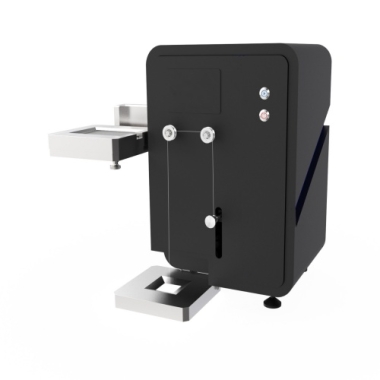 |
fabric wet adhesion performance tester | Whats/App: +86 156 1874 6768 Web: standard-groups.com Product Overview The Fabric Wet Adhesion Performance Tester is a precision instrument de... |
Same products
 |
KL‑016A Benchtop High‑precision pH Meter | Seller: Kelilong Electron Co.Ltd | Product Description: Large‑screen display with high resolution and precision for con... |
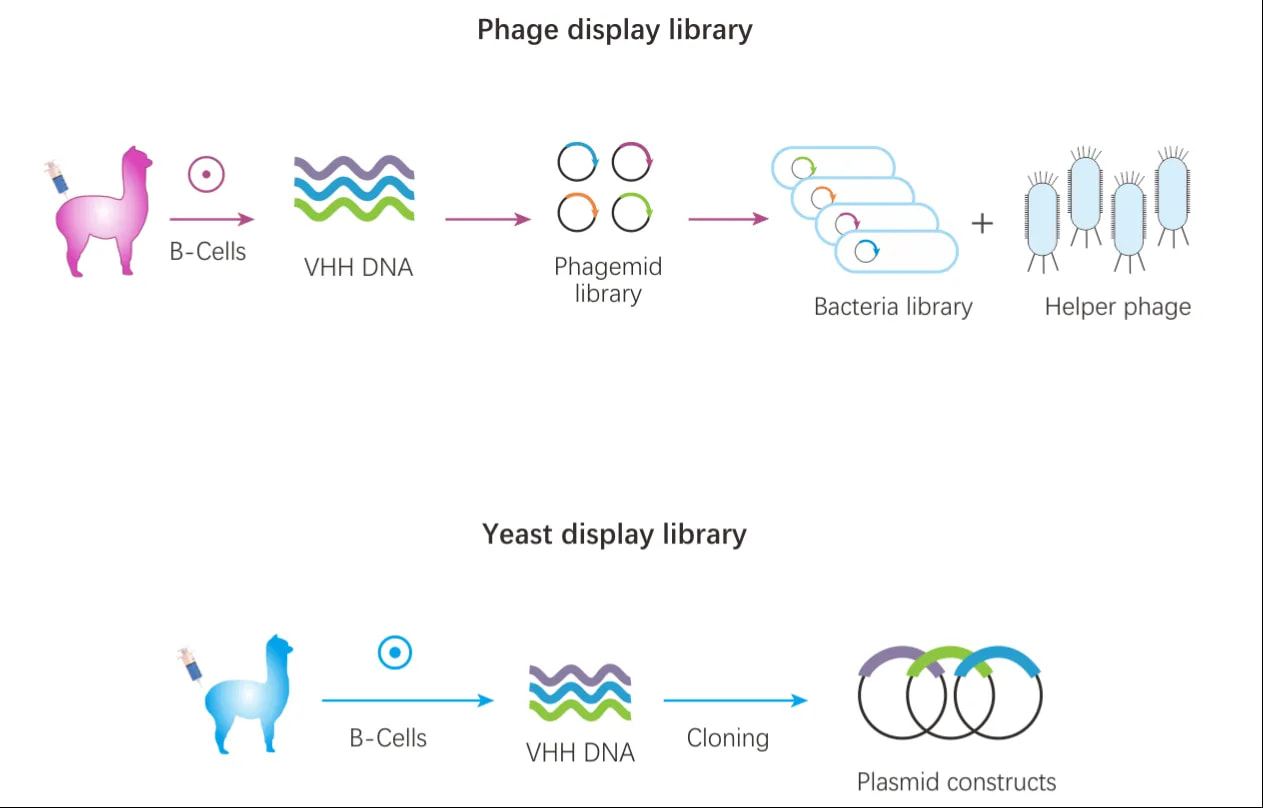 |
Large Naïve VHH Library | Seller: AlpVHHs | Large Naïve VHH Library VHHare single-domain antibodies derived from the variable regions o... |
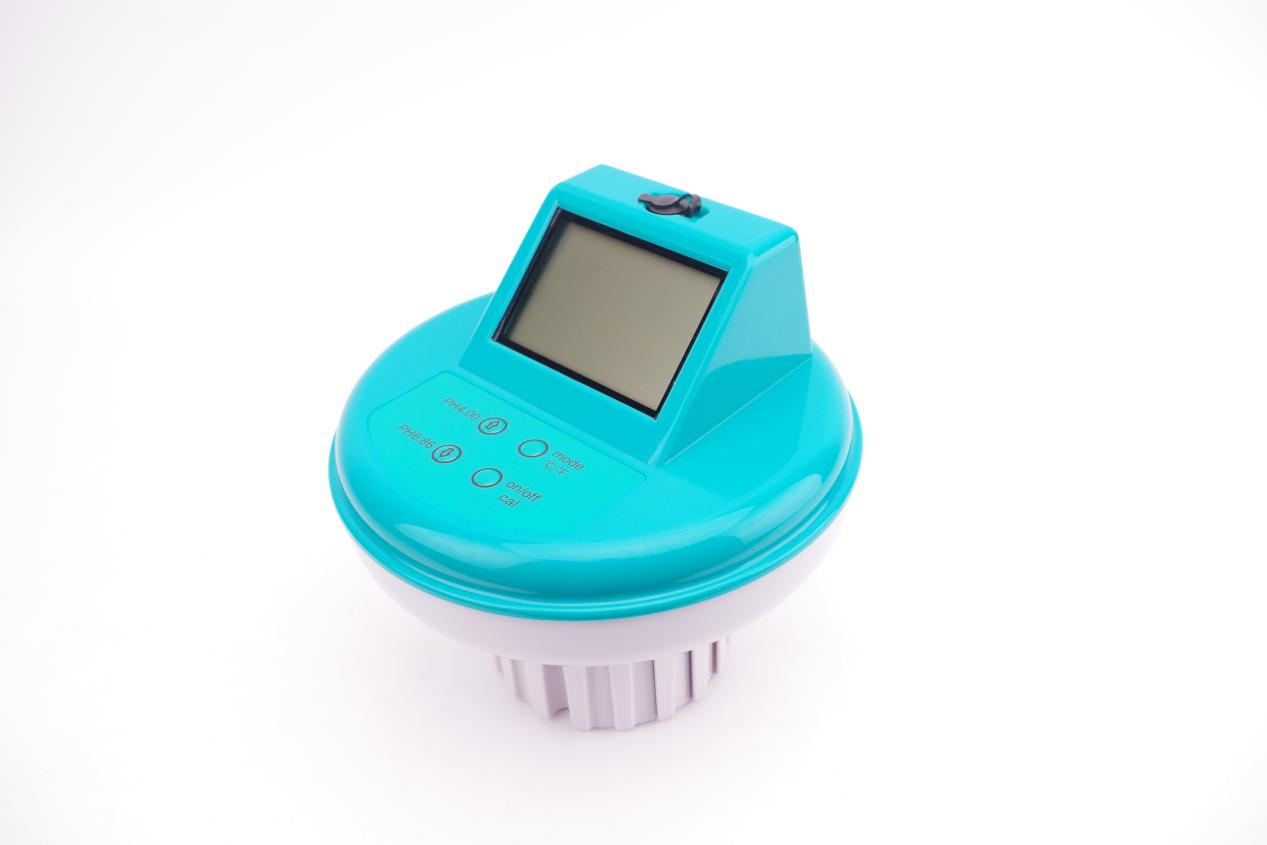 |
pH-2398 pH/EC/ORP/Temperature multi-parameter Water Quality Tester | Seller: Kelilong Electron Co.,Ltd | Feature Large display screen, capable of simultaneously measuring water quality pH, redox potent... |
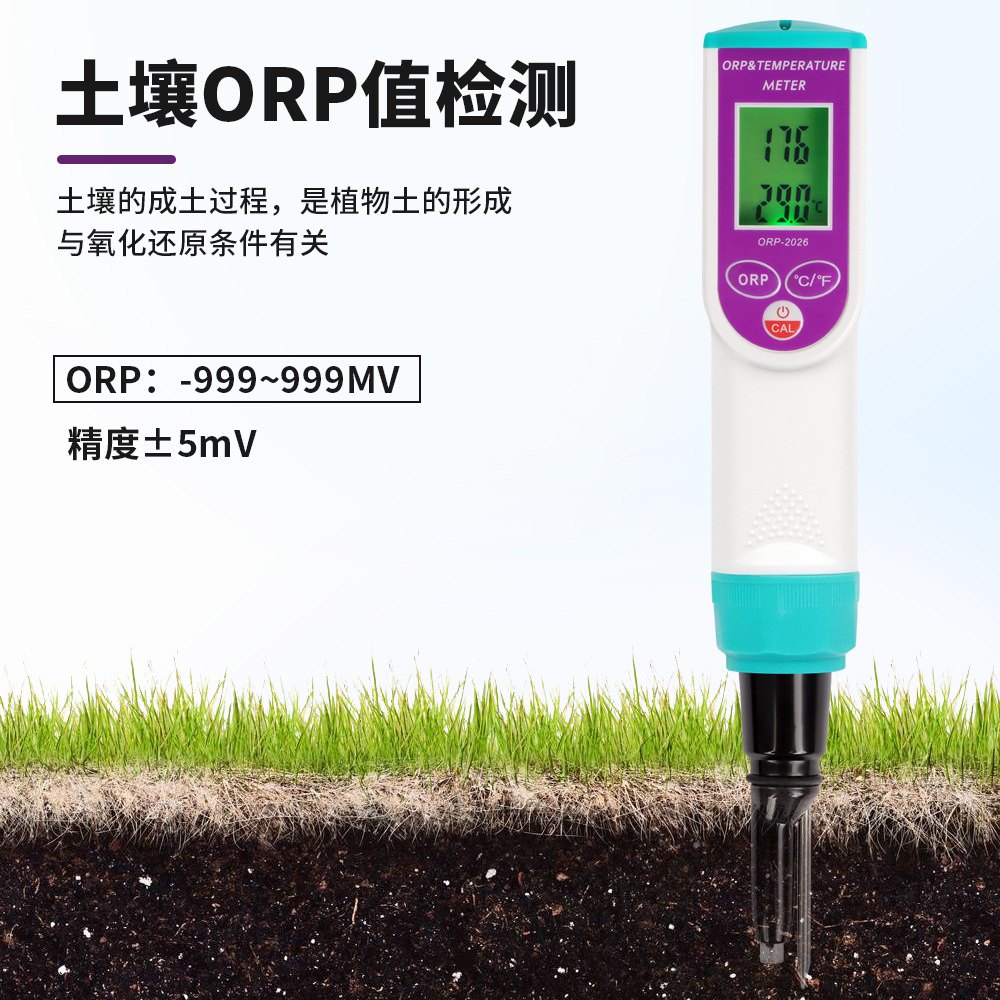 |
ORP-2026S Waterproof Soil ORP and Temperature Meter | Seller: Kelilong Electron Co.,Ltd | 范围 ORP -999~999mV Temp 0~50℃ 分辨率 ORP 1mV... |
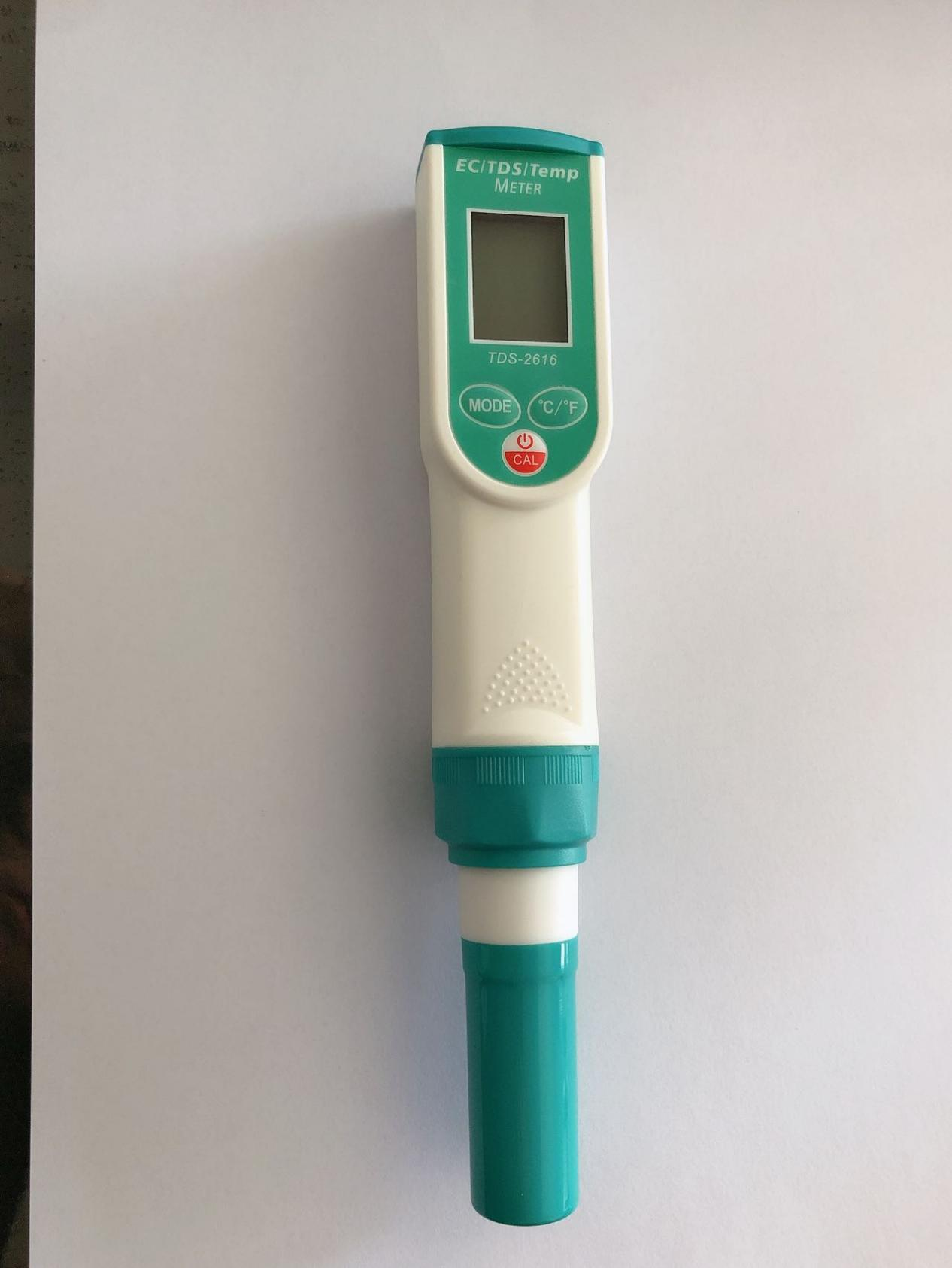 |
TDS-2616 Waterproof EC/TDS/Temperature Meter | Seller: Kelilong Electron Co.,Ltd | Range EC ~19.9mS TDS Temp 0~50℃ R... |

