

Luggage Walked Wear Test Machine

Whats/App: +86 156 1874 6768
Web: standard-groups.com
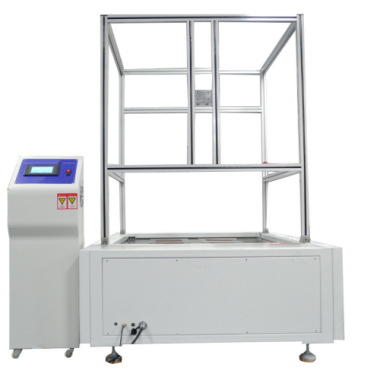
This product is used for suitcases, bags, strollers with wheels… Through the test mileage and test speed, to check the heat resistance, rupture and loss of the suitcase wheel, to detect the wear resistance of the wheel material and whether the overall structure of the box is damaged and deformed, the test results can be used as a reference for improvement.
Application
Luggage Walked Wear Test Machine simulating the situation when luggage moves and keep it in continuous testing, is to test the quality of wheels, axle, wheel frame, tie rod and luggage, calculate and evaluate the wear value of wheels. Put moderate weights in the testing sample. When the conveyor belt travels, the friction plate and the sample wheel will collide and rub with each other, and the sample is subjected to shock oscillation and wear.
Standards
QB/T 2920-2010:Luggage Walking Test Method
QB/T 2920-2018:Luggage Walking Test Method
QB/T2920-2007:Luggage Walking Test Method
Features
1. Wide range of applications: Suitable for testing the walking wear resistance of wheeled products such as wheeled suitcases, bags, and strollers.
2. Comprehensive testing dimensions: Capable of detecting the heat resistance and breakage/wear of wheels, the wear resistance of wheel materials, and damage and deformation of the overall structure of the product.
3. Compliant with industry standards: Adapts to light industry testing standards such as QB/T 2920-2007/2018 "Luggage - Walking Test Method".
4. Flexible and controllable parameters: Supports setting core parameters such as test mileage and test speed to meet the needs of different testing scenarios.
5. Convenient operation: Equipped with a control cabinet with a touch screen for easy parameter setting and real-time monitoring of the testing process.
Technical Parameters
| Specification | Details |
|---|---|
| Test speed | 0 —— 5km/hr adjustable |
| Time setting | 0 —— 999.9 hours, power failure memory type |
| Bump plate | 5mm/8 pieces |
| Belt circumference | 380cm |
| Belt width | 76cm |
| Accessories | luggage fixed adjusting seat |
| Machine size | 220×180×160cm |
| Weight | 500Kg |
| Power supply | 1 #, 220V/50HZ |
Accessoriess
10 sheets of sandpaper (200 x 200 mm), adhesive tape
One set of product instructions
Third-party calibration report
One set of installation and maintenance tools
Test Procedures
1. Sample Pre-treatment
Place the product with wheels to be tested (such as a suitcase) in a standard environment of 23±2°C and 50±2% relative humidity for 24 hours. Apply the specified load to the sample according to the requirements of the QB/T 2920 standard.
2. Equipment Preparation
Connect the equipment to the power supply, check the condition of the walking mechanism, fixing devices, and other components to ensure that the equipment can operate normally.
3. Parameter Setting
Use the touch screen on the control cabinet to set the test speed and target test mileage (or number of cycles), matching the corresponding test method (such as roller type/conveyor belt type) specified in QB/T 2920.
4. Sample Installation
Fix the pre-treated and loaded sample onto the equipment's test station, ensuring that the product is in good contact with the walking mechanism (such as rollers, conveyor belt) and is securely fixed without loosening.
5. Start Test
After confirming that the parameter settings and sample installation are correct, start the equipment to begin the walking wear test.
6. Process Monitoring
Regularly observe the sample status during the test, and promptly record any abnormalities such as wheel overheating, cracking, or case deformation.
7. Test Termination
The equipment will automatically stop after reaching the set test mileage/number of cycles; if serious damage occurs to the sample during the test, such as wheel detachment or case cracking, the test can be terminated manually.
8. Result Recording
Record the actual completed test mileage/number of cycles, and also record in detail the heat resistance and wear degree of the wheels, the wear condition of the wheel material, and the damage and deformation status of the case structure.
Send product request
Other supplier products
 |
Electrostatic Decay Tester | Whats/App: +86 156 1874 6768 Web: standard-groups.com The Electrostatic Decay Tester is professionally designed to evaluate the static electricit... |
 |
Reciprocating Friction and Wear Test Machine | Whats/App: +86 156 1874 6768 Web: standard-groups.com Applicable Standards ASTM Standards: Formulated by the American Society for Testing and Ma... |
 |
ASTM E1164 Non-contact Color Measuring Instrument Manufacturer | Get a quote: Whats/App: +86 156 1874 6768 Web: standard-groups.com Instrument Features (1) Non-contact measurement: avoids sample deformation a... |
 |
Cut Susceptibility Tester | Whats/App: +86 156 1874 6768 Web: standard-groups.com Standard IEC 61730-2: Photovoltaic (PV) Module Safety Qualification – Requirements... |
 |
Medical Interbody Cage Torsion Fatigue Testing Equipment ASTM Certified | Get a quote: Whats/App: +86 156 1874 6768 Web: standard-groups.com Standards (1)YY/T 0959-2014 (China): Specifies torsional fatigue testing pro... |
Same products
 |
KL‑016A Benchtop High‑precision pH Meter | Seller: Kelilong Electron Co.Ltd | Product Description: Large‑screen display with high resolution and precision for con... |
 |
Large Naïve VHH Library | Seller: AlpVHHs | Large Naïve VHH Library VHHare single-domain antibodies derived from the variable regions o... |
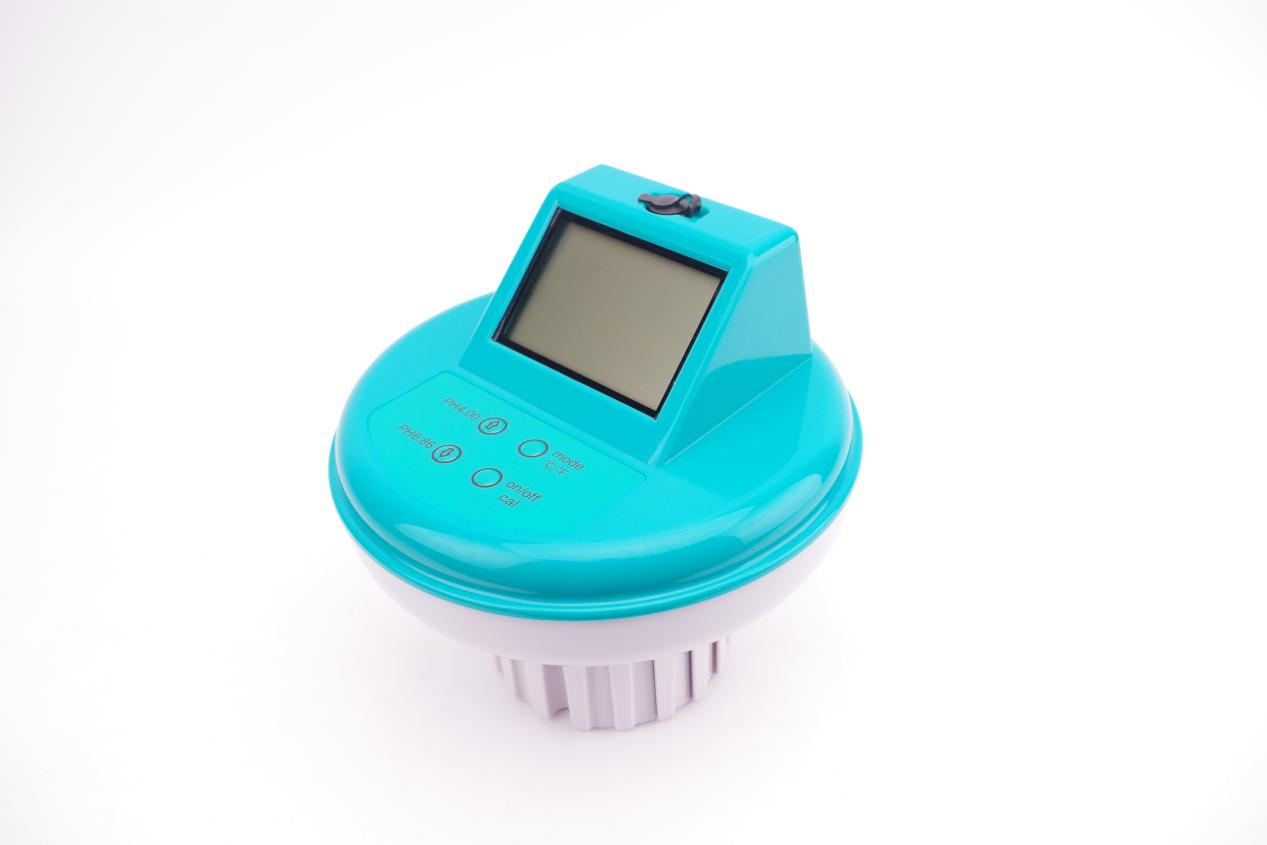 |
pH-2398 pH/EC/ORP/Temperature multi-parameter Water Quality Tester | Seller: Kelilong Electron Co.,Ltd | Feature Large display screen, capable of simultaneously measuring water quality pH, redox potent... |
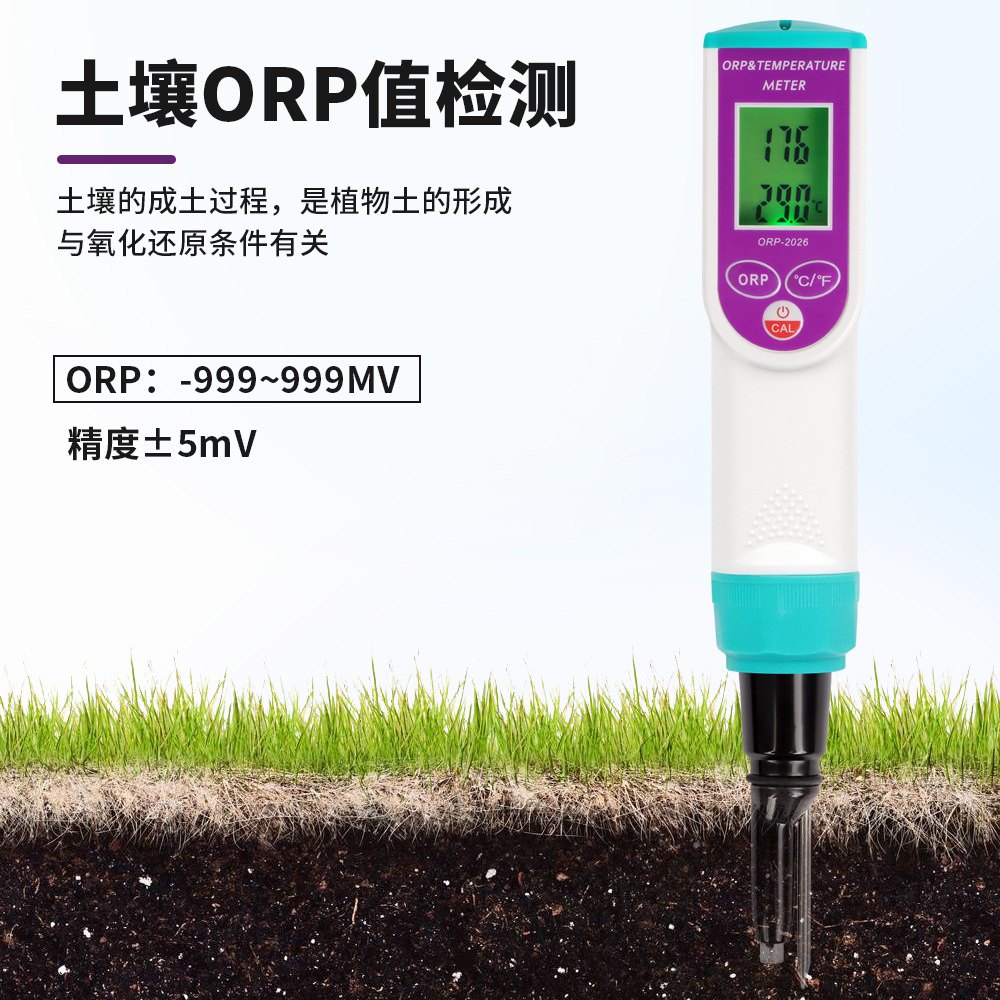 |
ORP-2026S Waterproof Soil ORP and Temperature Meter | Seller: Kelilong Electron Co.,Ltd | 范围 ORP -999~999mV Temp 0~50℃ 分辨率 ORP 1mV... |
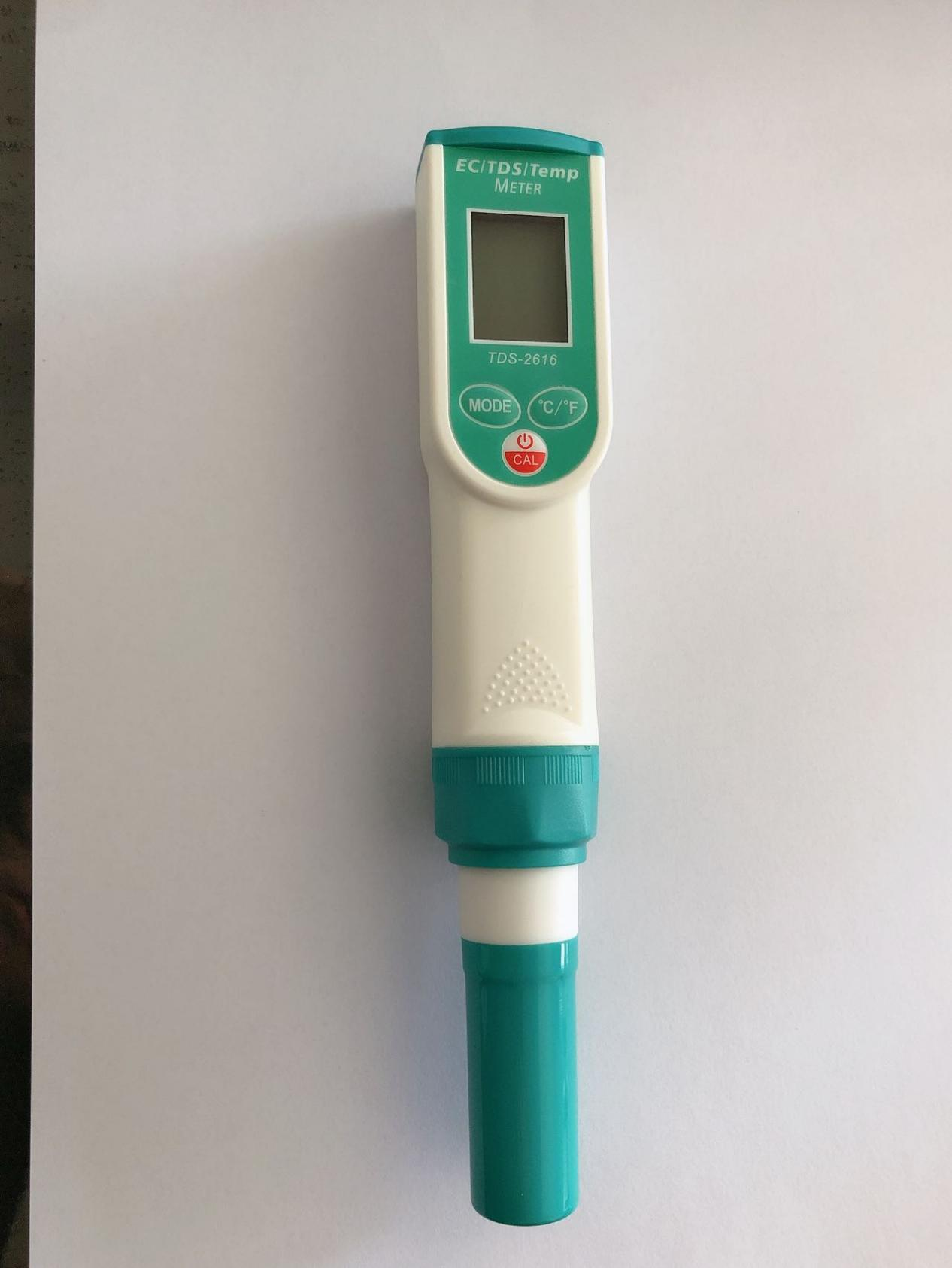 |
TDS-2616 Waterproof EC/TDS/Temperature Meter | Seller: Kelilong Electron Co.,Ltd | Range EC ~19.9mS TDS Temp 0~50℃ R... |

