

Guidewires Tip Flexibility Tester

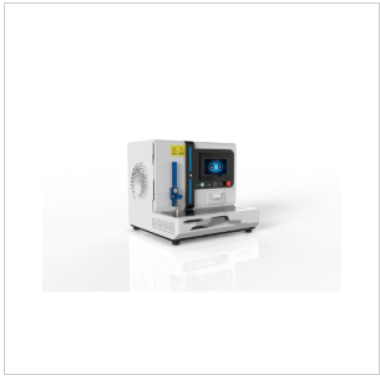
Whats/App: +86 156 1874 6768
Web: standard-groups.com
The Guidewires Tip Flexibility Tester is designed and manufactured in accordance with the relevant clauses of YY/T 1554-2017 and YY 0450.1-2003. It is specifically designed for testing the flexibility of interventional guidewires and catheters, and is suitable for determining the tip flexibility of various interventional guidewires and catheters.
Applications
The guidewire tip flexibility tester is a specialized device used to evaluate the flexibility of the tips of medical guidewires. Its main uses include: Ensuring Quality and Safety in Clinical Use: By testing the flexibility and bendability of the guidewire tip during puncture procedures, it ensures that the guidewire can smoothly enter blood vessels or other target positions and adapt to different puncture angles and bending situations, thus improving the effectiveness and safety of puncture operations. Assisting Manufacturers in Quality Control: In the medical device manufacturing field, this tester can be used by manufacturers for quality control of guidewire products, ensuring that guidewire products meet relevant medical standards and regulatory requirements. Biomedical Research and Bioengineering Applications: The tester can also be used to measure the flexibility and bendability of various biological materials, evaluate the toughness of biological stents and biological materials, and provide technical support for biomedical research and the bioengineering field.
Standards
FDA-16007 FDA Guidance: Coronary, Peripheral, and Neurovascular Guidewires –Performance Tests and Recommended Labeling
ISO 11070:Cardiovascular implants and extracorporeal systems — Balloon dilatation catheters
YY 0450.1-2003:Disposable sterile intravascular catheters — Part 1: General requirements
YY/T 1554-2017:Medical devices — Surface lubricious coatings — Test method for coefficient of friction
Features
1. Intelligent Operation: A large LCD screen displays the testing process in real time. Built-in standard testing programs enable one-click operation and automatic completion of the experiment.
2. High-Precision Sensors: Utilizes advanced displacement sensors to ensure accurate speed and displacement transmission, making testing more scientific and reliable.
3. Secure and Compliant Design: Supports hierarchical access control and password protection to prevent unauthorized operations and ensure data traceability.
4. Complete Data Output: Equipped with a mini printer, it can directly print information on test personnel, testing time, and results, ensuring complete retention of experimental records.
5. Personalized Upgrades: The system program supports ISP online upgrades and can provide customized services based on user needs.
Technical Parameters
| Technical Parameter | Specification |
|---|---|
| Testing Speed | It can be adjusted within a certain range, such as 3mm/min or 8mm/min. Some testers can reach 100mm/s and can be set arbitrarily with stepless speed regulation, and the speed accuracy can reach 0.01mm/s. |
| Displacement Range and Resolution | The displacement range is generally 0.001 - 40.000mm, and the displacement resolution is 0.001mm. |
| Force - measuring Mechanism | Mostly built - in, using high - precision force sensors. |
| Control System | Commonly, there is a PLC (Programmable Logic Controller). The operation interface is generally a color touch screen, which can be switched between Chinese and English. |
| Clamping Device | It is used to fix the guidewire tip to ensure the stable position of the guidewire during the testing process. It is generally made of high - quality materials such as 304 stainless steel. |
Accessoriess
The package includes: 1 main unit, 1 set of fixtures, 1 set of testing software, 1 set of sensors, 1 power cord, 1 instruction manual, 1 operation video, and 1 certificate of conformity.
Test Procedures
1.Device Preparation
Check the instrument’s power supply, connection status, and external components (e.g., clamps, sensors) for integrity.
Power on the device and preheat it to the required working state (if specified by the instrument).
2.Sample Preparation
Take the guidewire to be tested, confirm its model/specification meets the test requirements, and clean the guidewire surface (to avoid contamination affecting test results).
3.Sample Installation
Fix the guidewire on the instrument’s clamping device (use 304 stainless steel clamps as mentioned), and accurately position the tip part of the guidewire at the test station (ensure stable fixation without affecting the tip’s flexibility).
4.Parameter Setting
Operate the color touch screen (PLC control system) to set test parameters (e.g., testing speed, displacement range, data storage quantity) according to the test standard (e.g., YY/T 1554-2017) or test requirements.
5.Initiate Testing
Start the test via the operation interface; the instrument will automatically apply force/bending action to the guidewire tip according to the set parameters.
6.Data Acquisition & Recording
The instrument will automatically collect and store test data (e.g., flexibility, bendability data) during the process (supports storing multiple groups like 200/500 groups).
7.Post-Test Operation
After the test is completed, stop the instrument, safely remove the tested guidewire, and check the integrity of the collected data.
8.Data Processing & Report Generation
Export the test data via the system, analyze the flexibility performance of the guidewire tip, and generate a test report (if the instrument supports report output).
Send product request
Other supplier products
 |
Safety Helmet Chin-strap Strength Tester | Whats/App: +86 156 1874 6768 Web: standard-groups.com Standard GB/T 2812-2006: Safety Helmets GB/T 2811-2019: Head Protection – Vocabular... |
 |
Seatbelt Fabric Pilling Tester | Whats/App: +86 156 1874 6768 Web: standard-groups.com The Seatbelt Fabric Pilling Tester is designed to simulate the pilling and wear of garments... |
 |
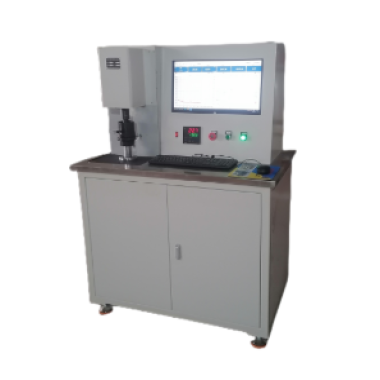
Pipe coating scratch meter | Whats/App: +86 156 1874 6768 Web: standard-groups.com Product Introduction: Paint and varnish scratch resistance tester, also known as scratch r... |
 |
Friction and wear testing machine | Whats/App: +86 156 1874 6768 Web: standard-groups.com It can perform flat grinding, curved grinding, edge grinding, folded edge grinding, and abr... |
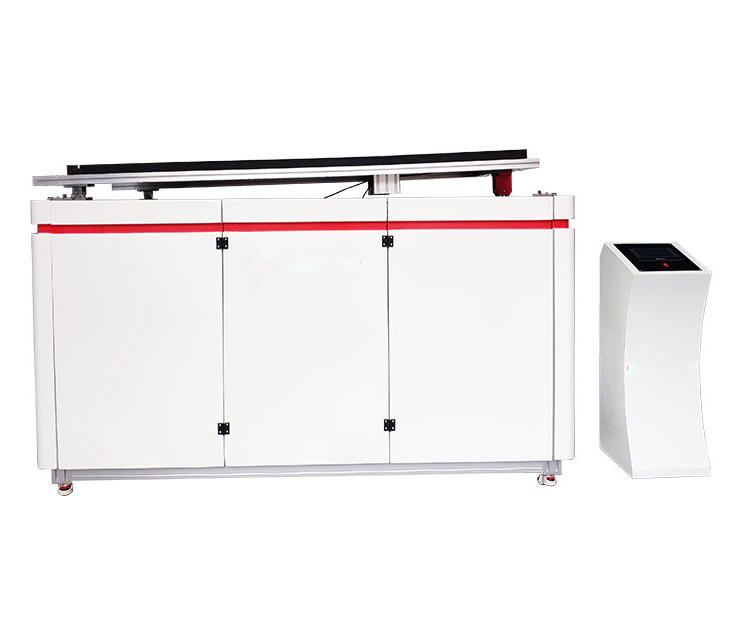 |
Automated Strength Tester for Lead - end of Photovoltaic Modules | Whats/App: +86 156 1874 6768 Web: standard-groups.com Application This tester is widely applied in: PV Module Lead Terminal Tensile and Torsion... |
Same products
 |
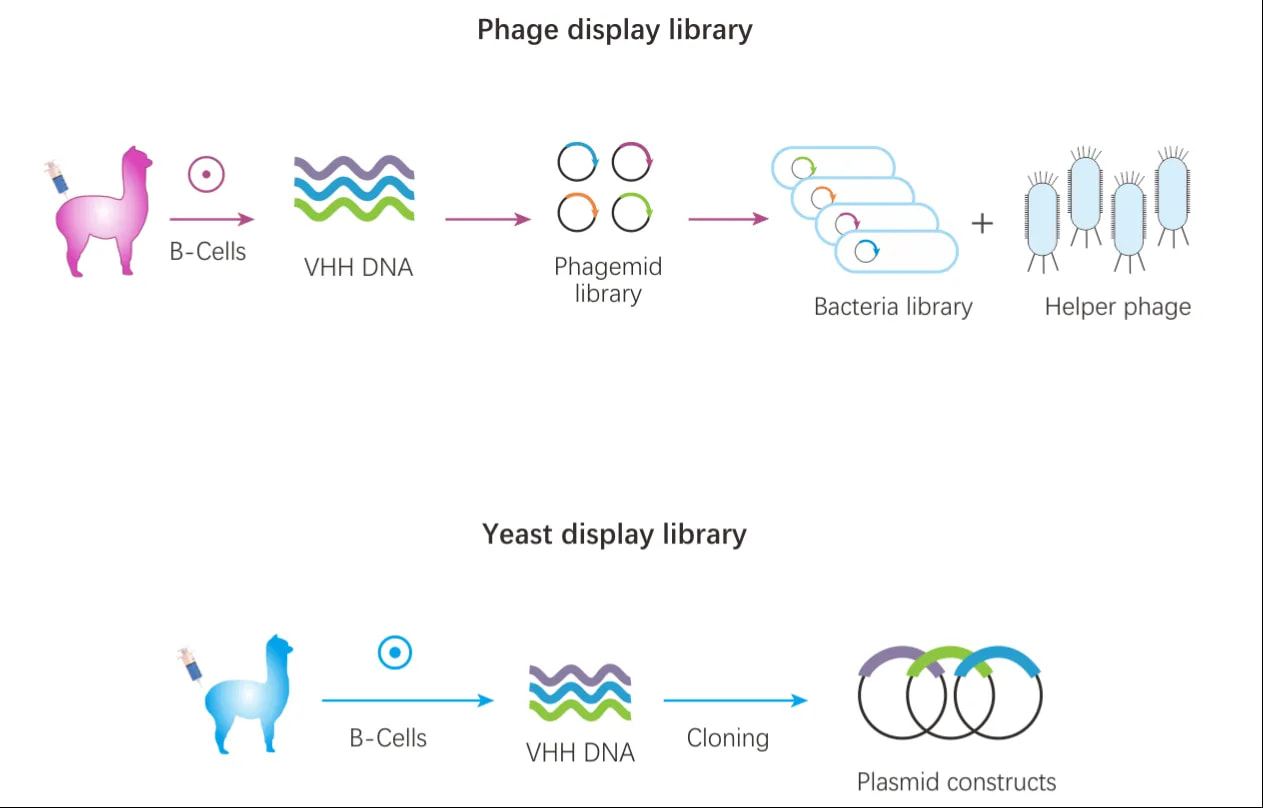
KL‑016A Benchtop High‑precision pH Meter | Seller: Kelilong Electron Co.Ltd | Product Description: Large‑screen display with high resolution and precision for con... |
 |
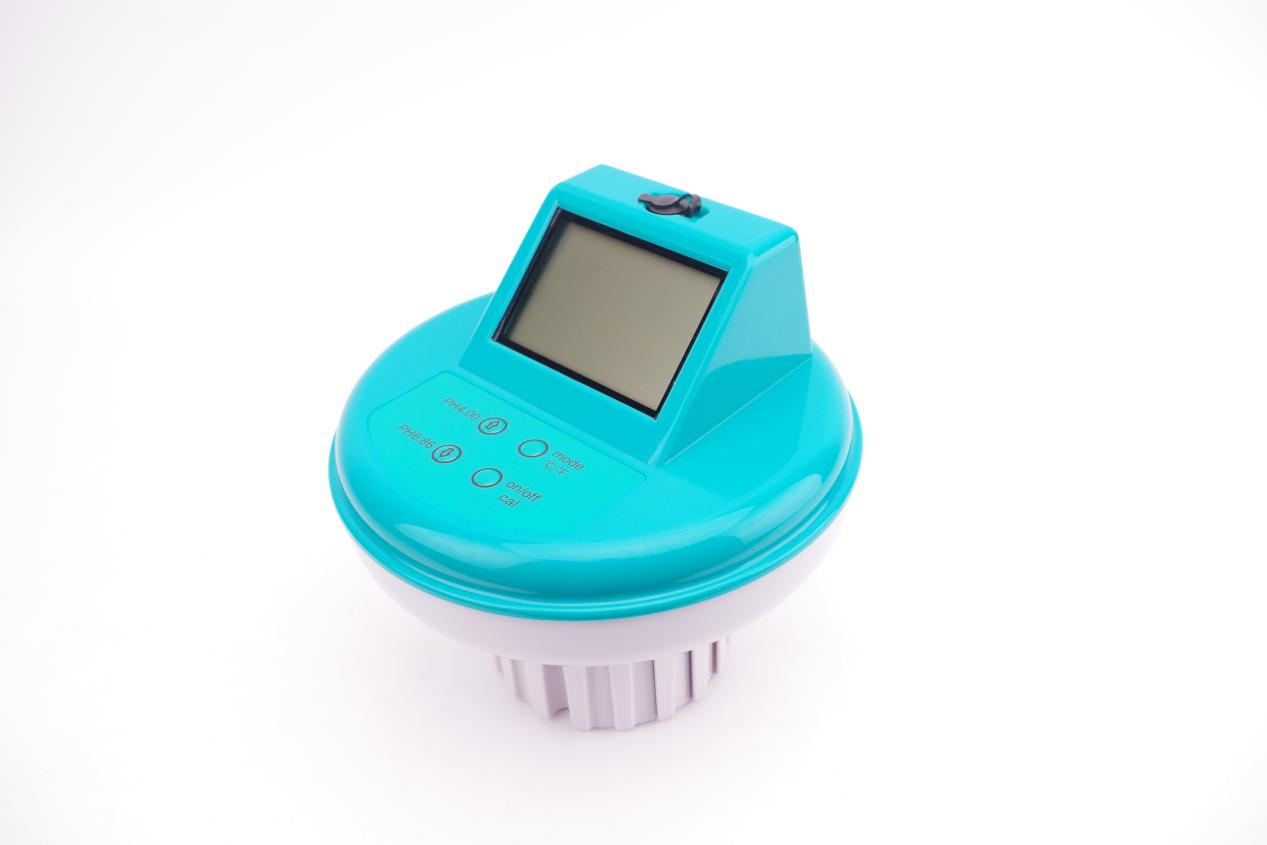
Large Naïve VHH Library | Seller: AlpVHHs | Large Naïve VHH Library VHHare single-domain antibodies derived from the variable regions o... |
 |
pH-2398 pH/EC/ORP/Temperature multi-parameter Water Quality Tester | Seller: Kelilong Electron Co.,Ltd | Feature Large display screen, capable of simultaneously measuring water quality pH, redox potent... |
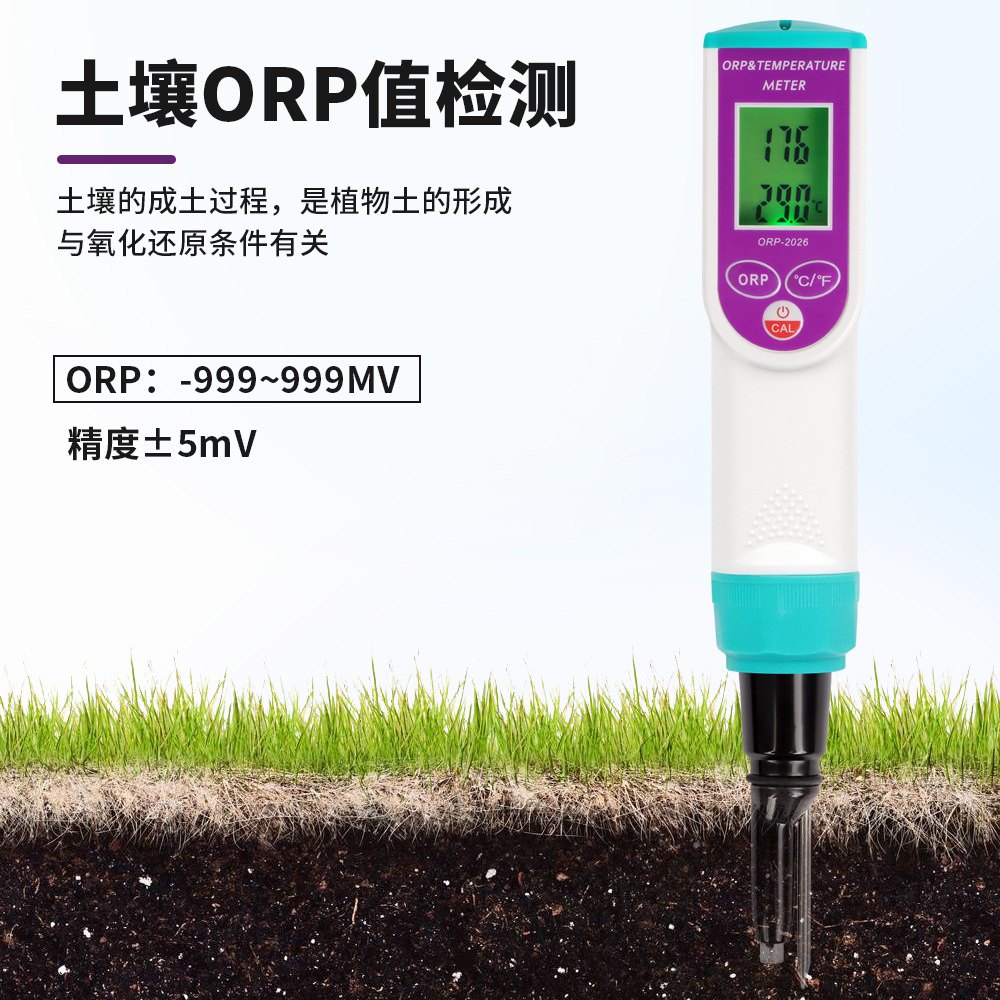 |
ORP-2026S Waterproof Soil ORP and Temperature Meter | Seller: Kelilong Electron Co.,Ltd | 范围 ORP -999~999mV Temp 0~50℃ 分辨率 ORP 1mV... |
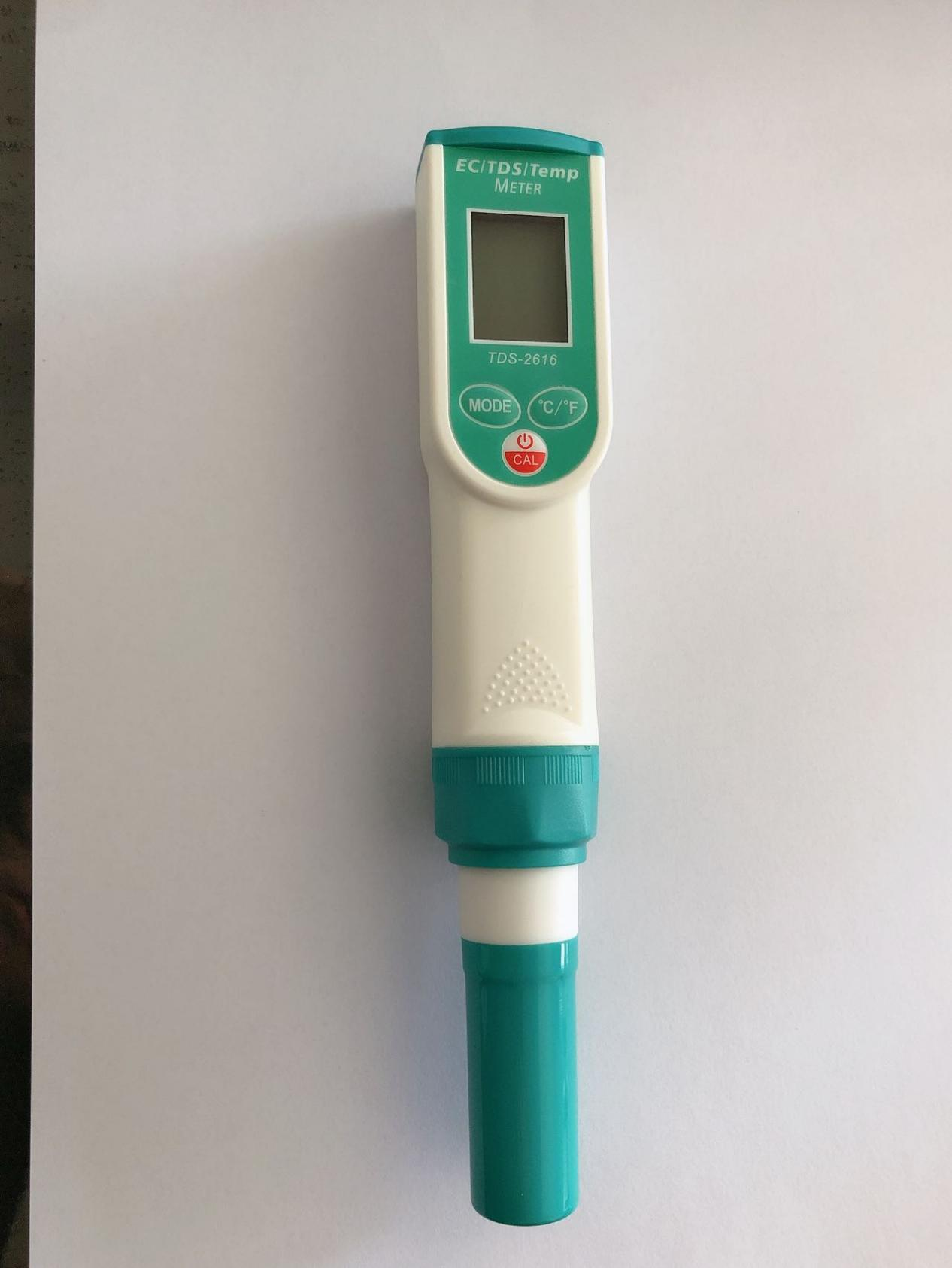 |
TDS-2616 Waterproof EC/TDS/Temperature Meter | Seller: Kelilong Electron Co.,Ltd | Range EC ~19.9mS TDS Temp 0~50℃ R... |

