

Wear Track Profilometer

Whats/App: +86 156 1874 6768
Web: standard-groups.com
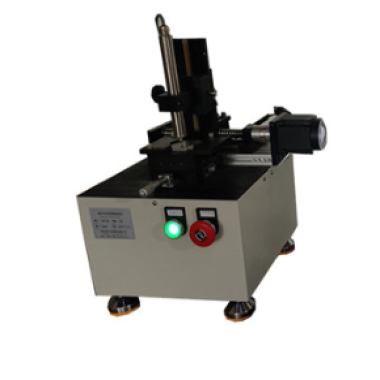
A wear profiler is a device used to measure the characteristics of worn surfaces, providing high-precision wear rate measurements. It provides reliable data for selecting the optimal material by accurately measuring the wear condition of coatings or substrate materials.
Application
The probe type material surface abrasion measuring instrument is a kind of high precision measuring equipment, its main purpose is to accurately measure and analyze the abrasion marks formed by the friction grinding test on the material surface. Specifically, the main uses of the device include:
Abrasion depth and width measurement: The probe type material surface abrasion measuring instrument can automatically measure the depth and width of the abrasion, providing accurate numerical results. It is of great significance to evaluate the wear resistance of materials, optimize the material design and improve the test conditions of friction and wear.
Wear mark topography analysis: The device can graphically display the two-dimensional outline of the wear mark, and intuitively characterize the wear condition and wear resistance of the material surface. This helps researchers gain a deeper understanding of the mechanisms and processes of friction and wear.
Data storage and report generation: The probe type material surface abrasion meter has a data storage function to save test data for subsequent analysis and comparison. At the same time, the device can also automatically generate test reports, which is convenient for users to organize and archive test results.
Material development and optimization: In the process of material development, the equipment can be used to select materials with excellent wear resistance, providing a scientific basis for material selection and optimization design
Standards
ASTM G99-17:Standard Test Method for Wear Testing with a Pin-on-Disk Apparatus
ISO 25178-2:2012:Geometrical product specifications (GPS) — Surface texture: Areal — Part 2: Terms, definitions and surface texture parameters
GB/T 12444-2006:Metallic materials - Wear test method - Block-on-ring sliding wear test
ISO 20808:2016:Fine ceramics (advanced ceramics, advanced technical ceramics) — Determination of friction and wear characteristics of monolithic ceramics by ball-on-disc method
GB/T 17754-2016:Friction and wear testing—Terminology
Feature
The wear profiler is characterized by high precision, high stability, high repeatability, and an intelligent management and testing software system. These features ensure that the wear profiler can meet the measurement accuracy requirements of the workpiece and provide accurate wear behavior analysis and evaluation.
Parameters
| Description | Details |
|---|---|
| Abrasion scanning method | Automatic |
| Longitudinal resolution of scanning probe | 0.02μm |
| Wear test force range | ≦40g |
| Longitudinal measurement range of scanning probe | ±0.5mm (Measurement range can be changed according to the user's requirements) |
| X-axis travel range | 0~50mm |
| Y-axis travel range | 0~25mm |
| Z-axis travel range | 0~50mm |
| Size of sample tray | Φ76mm |
| Dimensions of the main body of the instrument | 230300260 |
| Weight of main body of the instrument (Kg) | 10 |
Accessoriess
Interference objective, light source, optical zoom, etc.
Test Procedures
When operating a wear trajectory profilometer, first ensure the instrument is in normal working condition and check that the power cord and signal cable are properly connected. Clean the measurement platform and measurement probe, and avoid measuring in environments with electromagnetic interference. Place the object to be measured on the measurement platform, ensuring close contact between the object and the platform to avoid errors. Open the profilometer's software interface, select the appropriate measurement mode and parameter settings, start the measurement program, and wait for the measurement to complete.
Send product request
Other supplier products
 |
Digital Rotational Viscometer for Ink Industry ASTM D562 | Get a quote: Whats/App: +86 156 1874 6768 Web: standard-groups.com Functional features (1)Intelligent design: The use of advanced intelligent c... |
 |
Air permeability evaluation equipment | Get a quote: Whats/App: +86 156 1874 6768 Web: standard-groups.com Air Permeability Tester of textile fabrics complies with ASTM D737. ISO 9237/... |
 |
Five Finger Scratch Resistance Testing Machine | Get a quote: Whats/App: +86 156 1874 6768 Web: standard-groups.com The Five-Finger Scratch Tester is a precision instrument designed to assess t... |
 |
Fabric Wrinkle Bending Tester | ASTM D1388 Textile Stiffness Testing Machine Manufacturer | Get a quote: Whats/App: +86 156 1874 6768 Web: standard-groups.com Standards The testing methods and results should comply with relevant nation... |
 |
Safety Footwear Impact Resistance Tester ASTM F2413 | Get a quote: Whats/App: +86 156 1874 6768 Web: standard-groups.com Application The testing machine is suitable for impact resistance evaluation... |
Same products
 |
Battery Diaphragm Gas Permeability Tester ISO | Seller: Standard Groups | Get a quote: Whats/App: +86 185 0176 3615 Web: qinsun-lab.com The Battery Diaphragm Gas Permea... |
 |
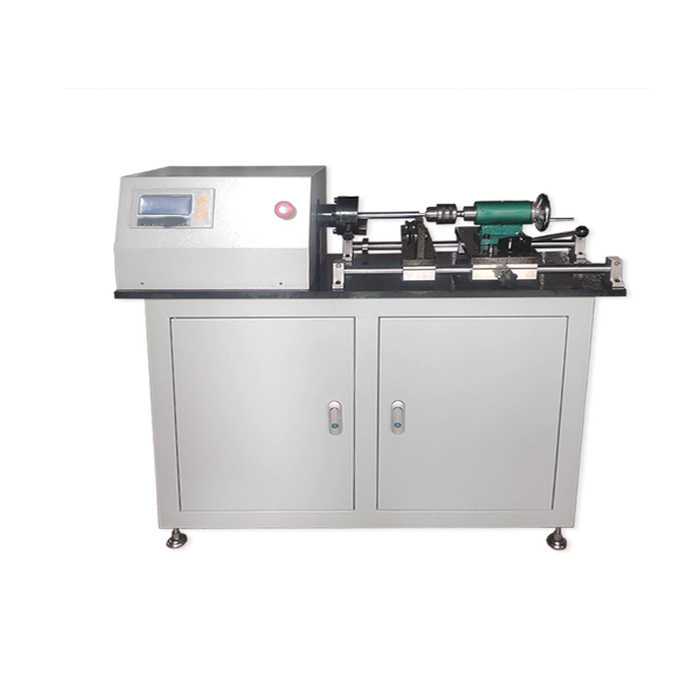
Torsion Testing Tester ASTM, JIS, and DIN | Seller: Standard Groups | Get a quote: Whats/App: +86 185 0176 3615 Web: qinsun-lab.com The Universal Torsion Testing Ma... |
 |
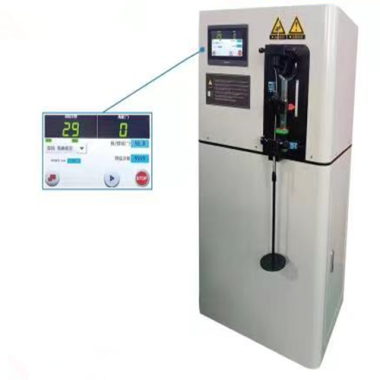
Wire Torsion and Winding Tester ASTM and JIS | Seller: Standard Groups | Get a quote: Whats/App: +86 185 0176 3615 Web: qinsun-lab.com The Wire Torsion and Winding Tes... |
 |
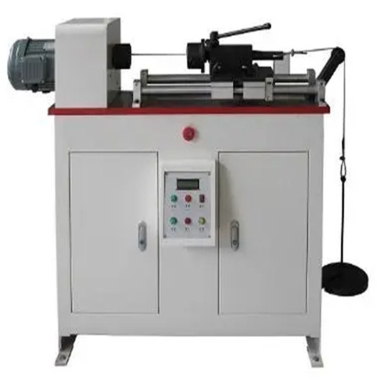
Metal Wire Repeated Bending Tester ISO/DIS 7801 | Seller: Standard Groups | Get a quote: Whats/App: +86 185 0176 3615 Web: qinsun-lab.com The Metal Wire Repeated Bending ... |
 |
Metal Wire Wrap Tester ISO 4101 | Seller: Standard Groups | Get a quote: Whats/App: +86 185 0176 3615 Web: qinsun-lab.com The Metal Wire Wrap Tester is de... |

