

Bottle Wall and Bottom Thickness Tester

Whats/App: +86 156 1874 6768
Web: standard-groups.com
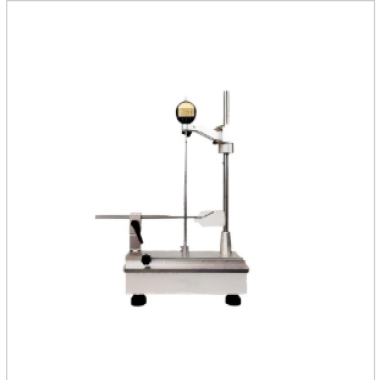
The wall and bottom thickness tester for bottles is a measuring instrument widely used in the pharmaceutical, food, cosmetics, and other industries. The following is a detailed description of its main uses, compliance standards, and technical parameters:
Compliance Standards
The design and manufacture of the wall and bottom thickness tester for bottles comply with a series of national and international standards to ensure the accuracy and reliability of test results. Among the more common standards are YBB00322002 - 2015 Low - Boron - Silicate Glass Ampoules, YBB00332003 - 2015 Soda - Lime Glass Injection Bottles, YBB00322004 - 2015 Soda - Lime Glass Oral Liquid Bottles, and GB 12415 - 90 Test Methods for Internal Stress of Pharmaceutical Glass Containers. These standards specify in detail the test methods for the wall and bottom thickness of bottles, specimen preparation, test conditions, etc., providing a unified standard for the use of the tester.
Main Uses
The wall and bottom thickness tester for bottles is mainly used to measure the thickness of the walls and bottoms of containers such as glass bottles and plastic bottles. Through testing, we can understand the physical properties and structural characteristics of the bottles, thus optimizing the production process and material selection. At the same time, this tester also plays an important role in product quality control and safety assessment. By sampling and inspecting bottles on the market and evaluating their quality and safety, it helps regulatory authorities protect consumers' rights and interests.
Technical Parameters
- Measurement Range: Usually 0 - 12.7mm, and the specific range may vary depending on the instrument model. This range can cover the wall and bottom thickness testing needs of most bottles.
- Resolution/Division Value: Generally 0.001mm or higher, enabling precise measurement of the thickness changes of bottles.
- Sample Dimensions: The sample diameter is usually 5 - 120mm (other dimensions can be customized), and the sample height is 5
- 330mm (other dimensions can be customized). This range can adapt to bottles of different specifications and shapes for testing.
- Testing Principle: It mainly adopts the new magnetic measurement principle or capacitive - grid sensing technology. Steel balls are placed inside the tested bottle (magnetic measurement principle) or through capacitive - grid sensors (capacitive - grid sensing technology) to measure the wall and bottom thickness of the bottle. Among them, the capacitive - grid sensing technology measures the bottle by having the measuring head contact the bottle corresponding to the probe. The capacitive - grid sensors in the two systems collect corresponding data, and then the system calculates the corresponding wall or bottom thickness value of the bottle.
- Power Supply: Usually AC 220V 50Hz to ensure the normal operation of the tester.
- External Dimensions: Generally about 400mm (length) × 360mm (width) × 700mm (height), facilitating placement and movement.
- Weight: The weight of the tester may vary depending on the model and brand, but it is usually designed to be compact and lightweight for easy portability and operation.
Send product request
Other supplier products
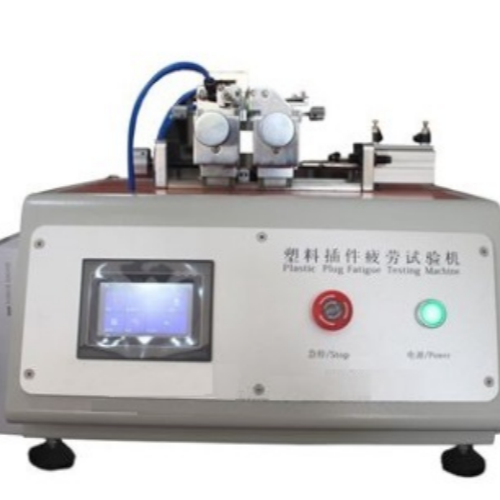 |
ASTM D412 compliant bag component plug fatigue analyzer | Get a quote: Whats/App: +86 156 1874 6768 Web: standard-groups.com Applications This machine simulates the use of plastic clasp under reciproca... |
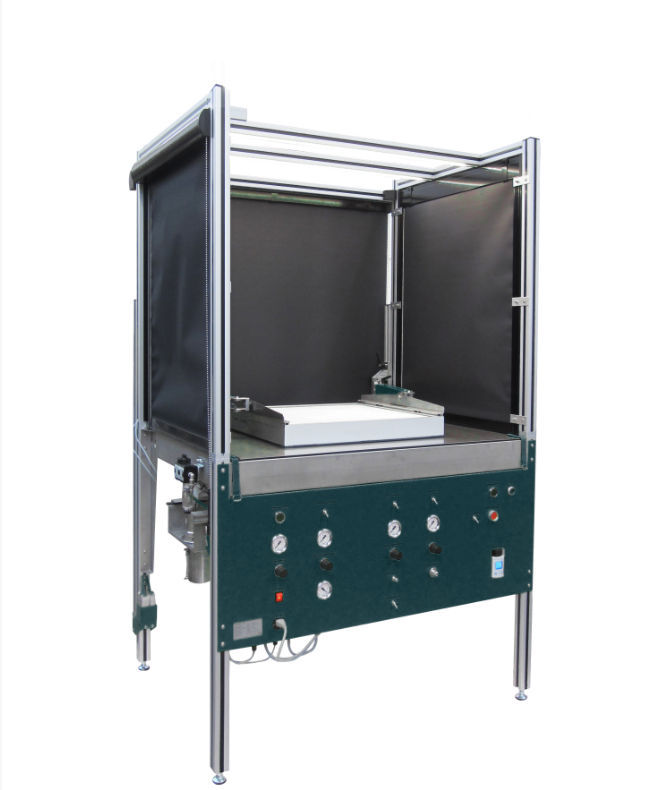 |
Laboratory Oil Thread Leak Detection System | Whats/App: +86 156 1874 6768 Web: standard-groups.com Applications integral visual leak testing of HEPA/ULPA filters Standards This system com... |
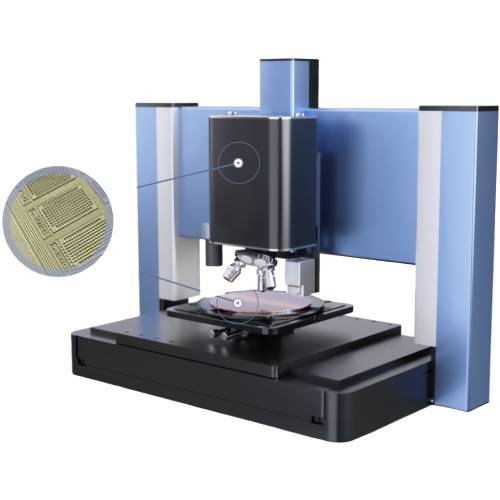 |
Large-Area 3D Optical Surface Profilometer | Whats/App: +86 156 1874 6768 Web: standard-groups.com Large-Area 3D Optical Surface Profilometer is a high-performance three-dimensional optical ... |
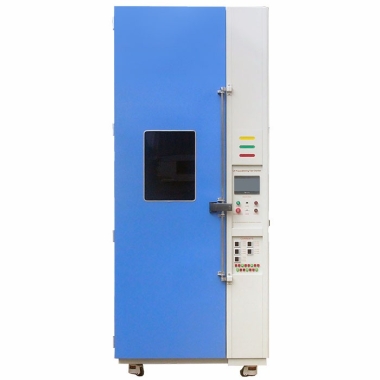 |
Solar Climatic Test Chamber 丨Solar Climatic Test mechine | Whats/App: +86 156 1874 6768 Web: standard-groups.com Features and Benefits 1. Fully Compliant with IEC 61215 Specifically designed for the UV ... |
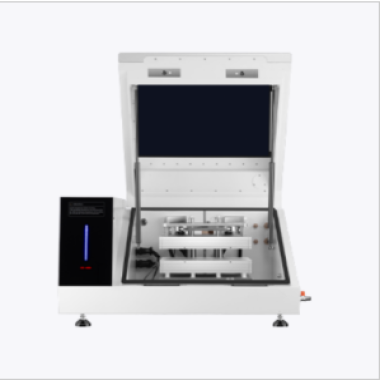 |
Battery Isothermal Calorimeter | Whats/App: +86 156 1874 6768 Web: standard-groups.com Product Description Battery Isothermal Calorimeter is a professional instrument developed ... |
Same products
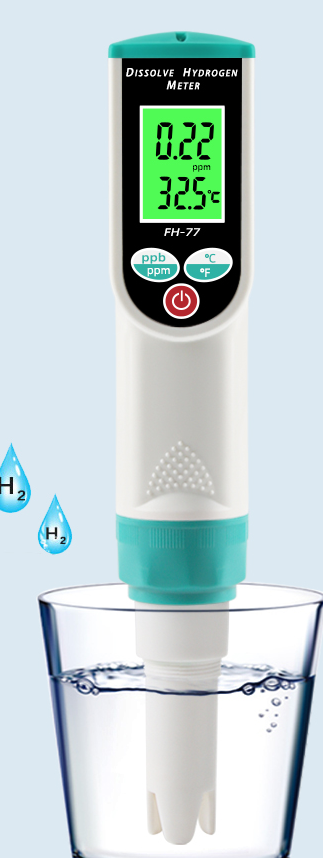 |
FH-77 Dissolved hydrogen meter | Seller: Kelilong Electron Co.,Ltd | Pen type dissolved hydrogen detector / dissolved hydrogen meter: used to measure the dissolved hy... |
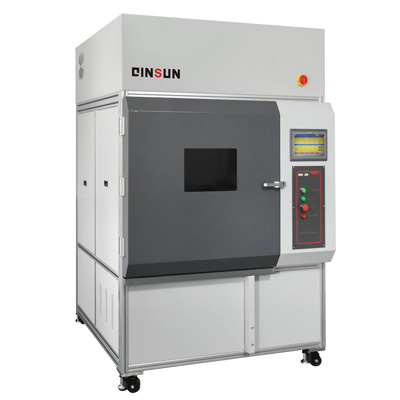 |
Xenon Arc Weather Ometer | Seller: Standard International Group (HK) Limited | Get a quote: Whats/App: +86 181 0160 0864 SI4000Xenon Arc Weather Ometer utilizes a xenon lamp ... |
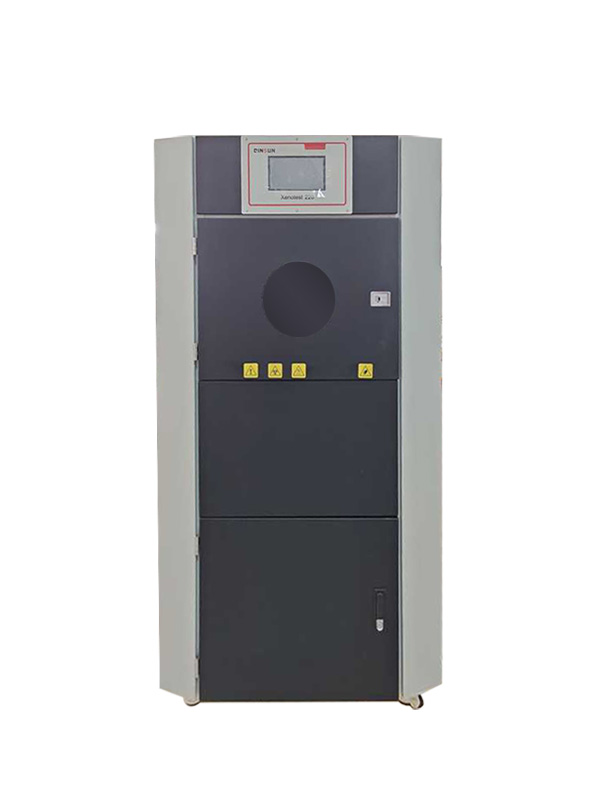 |
Xenotest | Light Fastness Tester Si220 (SunTest) | Seller: Standard International Group (HK) Limited | Get a quote: Whats/App:+86 180 0160 0864 A Light Fastness Tester, or Xenon Tester, Accelerated ... |
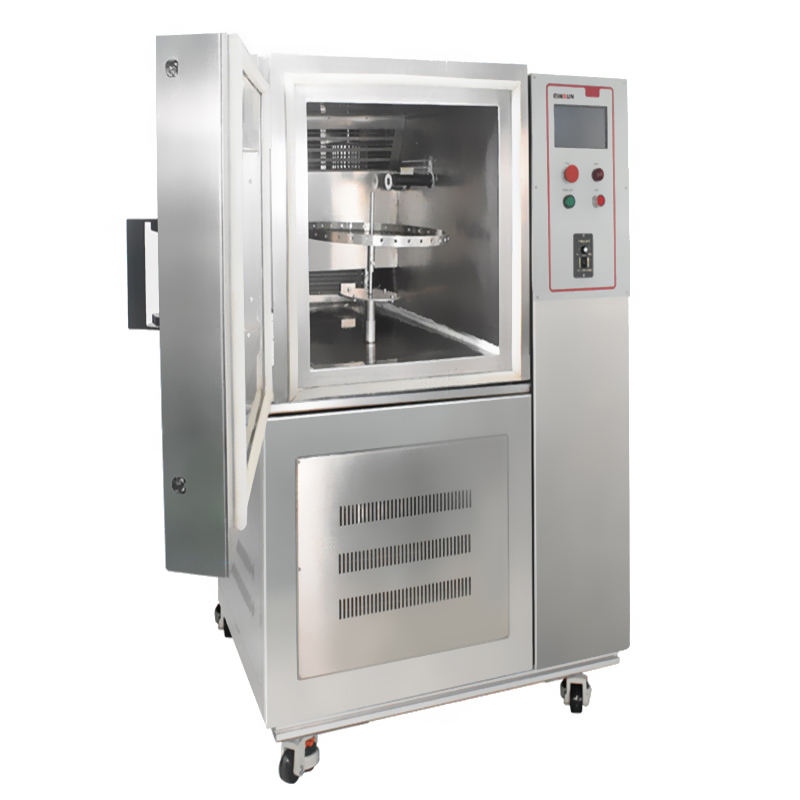 |
Ozone Aging Chamber | Seller: Standard International Group (HK) Limited | Get a quote: Whats/App:+86 156 1874 6768 The Ozone Aging Chamber is a precision testing instrum... |
 |
Plastic Smoke Density Tester F313 | Seller: Standard International Group (HK) Limited | Whats/App: +86 156 1874 6768 Web: standard-groups.com The F313 Plastic Smoke Density Tester is ... |

