

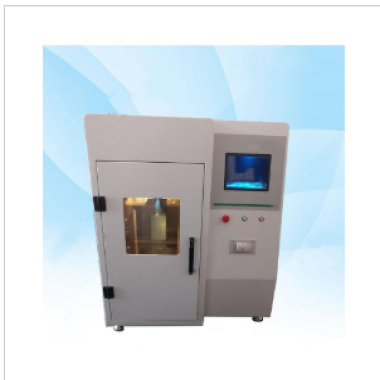
Glass Bottle Internal Pressure Strength Testing Machine

Whats/App: +86 156 1874 6768
Web: standard-groups.com
Introduction
The internal pressure resistance tester for glass bottles is a device specifically used to test the internal pressure - resistance performance of glass bottles. The following is a detailed description of its main uses, compliance standards, and technical parameters:
Compliance Standards
The design and manufacture of the internal pressure resistance tester for glass bottles comply with a series of national and international standards to ensure the accuracy and reliability of test results. Among the more common standards are GB/T 4546 - 2008 Test Method for Internal Pressure Resistance of Glass Containers and ISO 7458:2004 Test Method for Internal Pressure Resistance of Glass Containers. These standards specify in detail the test methods for the internal pressure resistance of glass bottles, specimen preparation, test conditions, etc., providing a unified standard for the use of the tester.
Main Uses
The internal pressure resistance tester for glass bottles is mainly used to evaluate the ability of glass bottles to withstand pressure under different pressure conditions. Through testing, we can determine whether glass bottles can withstand a certain internal pressure without breaking or deforming during the processes of filling, transportation, and use. This device is widely applied in industries such as beer brewing, pharmaceutical production, and food packaging, and is of great significance for ensuring product quality and consumer safety. In the beer - brewing field, the internal pressure resistance tester for glass bottles is used to inspect the internal pressure - resistance ability of beer bottles and other alcohol - beverage packaging bottles, ensuring that they will not break due to pressure changes during filling, transportation, and use. In the pharmaceutical production process, this device is used to test the internal pressure resistance of pharmaceutical packaging bottles such as antibiotic vials and infusion bottles, safeguarding the stability and safety of drugs during storage and transportation. In addition, in the food - packaging field, various beverage bottles such as carbonated beverage bottles and juice bottles also need to undergo internal pressure - resistance testing using this device.
Technical Parameters
- Testing Pressure Range: Usually it can reach 0 - 6Mpa or higher, and the specific range depends on the equipment model and testing requirements. This range can cover the internal pressure - resistance testing needs of most glass bottles.
- Display Accuracy: Generally 0.001Mpa or higher, enabling precise display of pressure changes during the testing process.
- Pressurizing Medium: Usually water is used as the pressurizing medium to ensure that no additional pressure impact is exerted on the glass bottles. Meanwhile, water as a medium is also convenient for controlling and monitoring pressure changes.
- Testing Speed: The testing speed is usually relatively fast, and the time to test one bottle ranges from a few seconds to a dozen or so seconds, depending on factors such as the equipment model, testing pressure, and specimen specifications. The relatively fast testing speed helps improve testing efficiency and productivity.
- Overall Error: Usually less than 0.5%FS (full - scale error), ensuring the accuracy and reliability of test results. - Working Environment: The equipment usually needs to be used in a certain working environment, such as a temperature range of 5 - 40°C (depending on the equipment model), and a relative humidity not exceeding a certain value. These working - environment requirements help maintain the stability of the equipment and extend its service life.
- Safety Performance: The equipment is usually equipped with safety features such as leakage - protection control circuits to ensure the safety of operators. Meanwhile, the equipment also has the function of automatically detecting faults and prompting common faults, facilitating operators to promptly identify and resolve problems.
Send product request
Other supplier products
 |
Dry microbial penetration resistance tester | Whats/App: +86 156 1874 6768 Web: standard-groups.com DryMicrobial Penetration Resistance Testeris designed to determine determine the penetratio... |
 |
Laboratory Test Dummy for EV Battery Performance and Safety | Whats/App: +86 156 1874 6768 Web: standard-groups.com Application This dummy is suitable for the following applications: Vibration reliability ... |
 |
High Precision Automotive Electrical Wire Thermal Stability Tester OEM Supplier | Get a quote: Whats/App: +86 156 1874 6768 Web: standard-groups.com Parameters ParameterSpecification Upper Clamps 3 Lower Clam... |
 |
Environmental Stress Cracking Resistance meter | Whats/App: +86 156 1874 6768 Web: standard-groups.com Standard ASTM D1693: Exclusively designed for bending beam and constant load tests on poly... |
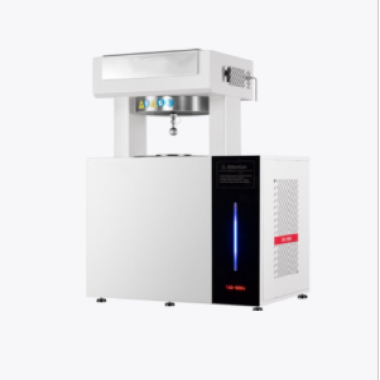 |
Adiabatic Accelerated Calorimeter | Whats/App: +86 156 1874 6768 Web: standard-groups.com Product Description Adiabatic Accelerated Calorimeter determines the thermal behavior of s... |
Same products
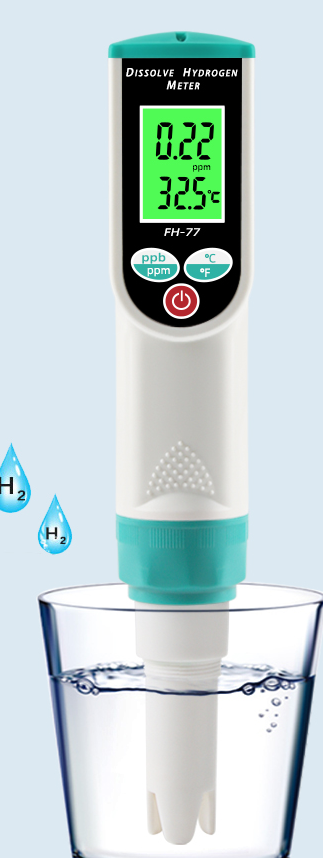 |
FH-77 Dissolved hydrogen meter | Seller: Kelilong Electron Co.,Ltd | Pen type dissolved hydrogen detector / dissolved hydrogen meter: used to measure the dissolved hy... |
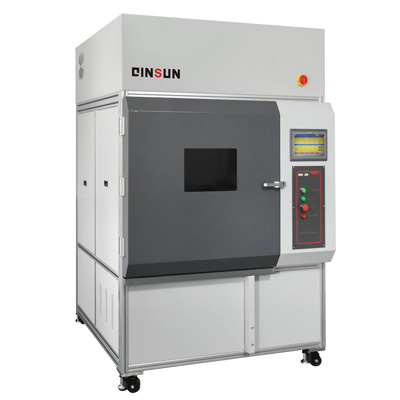 |
Xenon Arc Weather Ometer | Seller: Standard International Group (HK) Limited | Get a quote: Whats/App: +86 181 0160 0864 SI4000Xenon Arc Weather Ometer utilizes a xenon lamp ... |
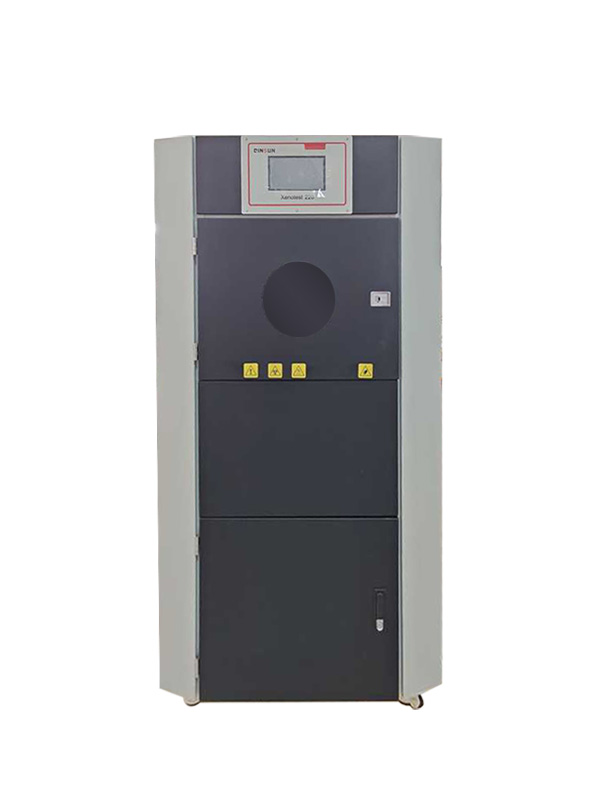 |
Xenotest | Light Fastness Tester Si220 (SunTest) | Seller: Standard International Group (HK) Limited | Get a quote: Whats/App:+86 180 0160 0864 A Light Fastness Tester, or Xenon Tester, Accelerated ... |
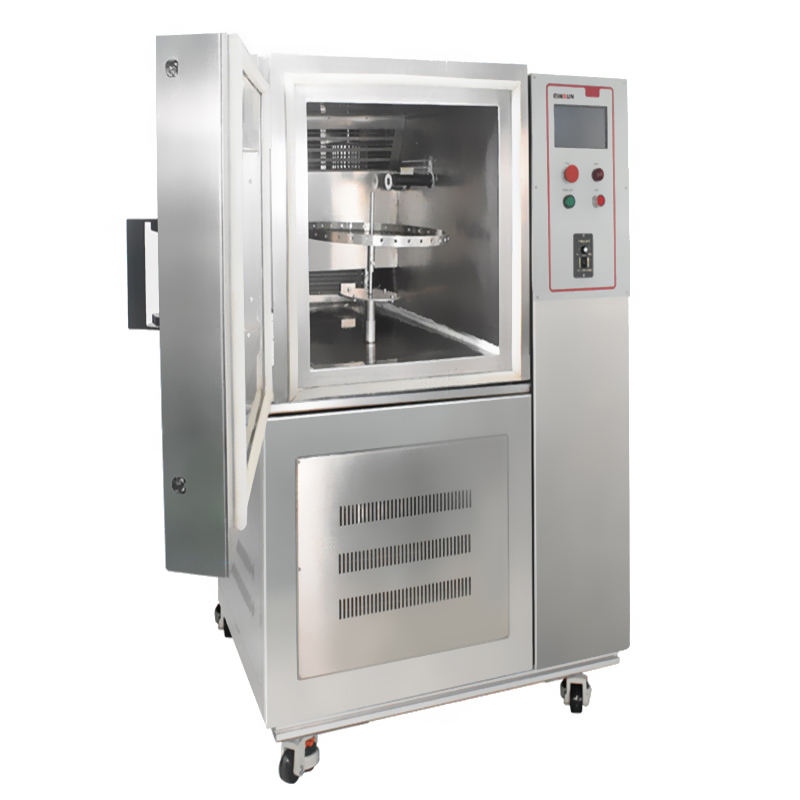 |
Ozone Aging Chamber | Seller: Standard International Group (HK) Limited | Get a quote: Whats/App:+86 156 1874 6768 The Ozone Aging Chamber is a precision testing instrum... |
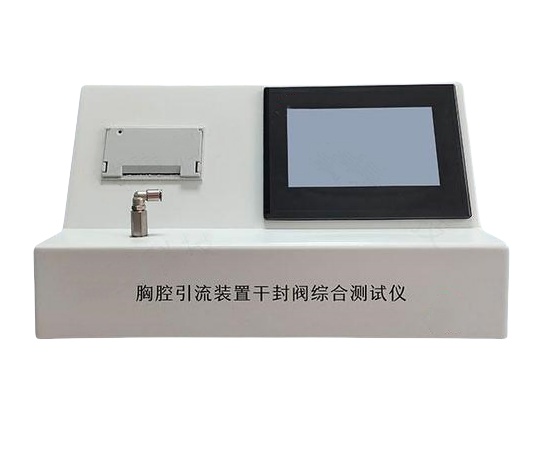 |
Plastic Smoke Density Tester F313 | Seller: Standard International Group (HK) Limited | Whats/App: +86 156 1874 6768 Web: standard-groups.com The F313 Plastic Smoke Density Tester is ... |

