

Sealing application adhesive

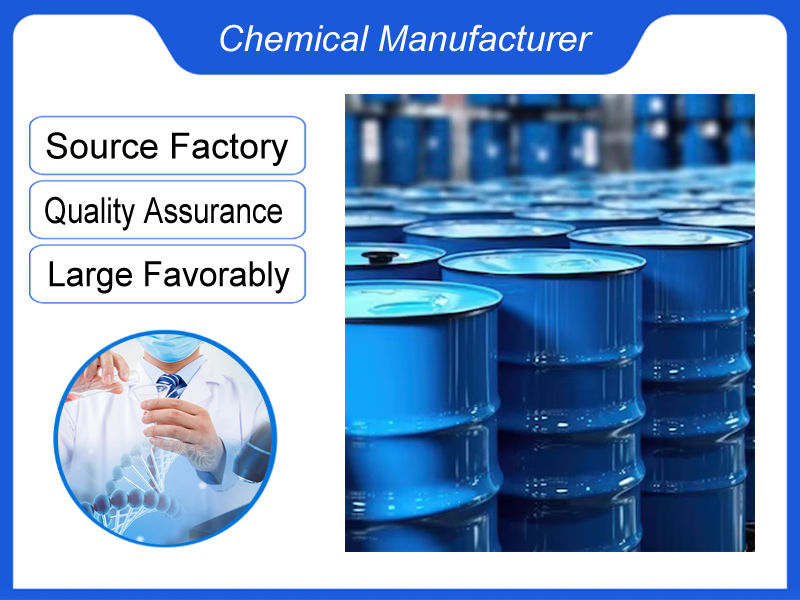
Polyurethane and epoxy resin materials, different models of products can provide targeted insulation strength, flame retardant performance, excellent low-temperature toughness, good thermal conductivity, etc. We can provide flexible and customized sealing material solutions based on your technical or process requirements to ensure the reliability of your products.
| Aspect | Details |
|---|---|
| Definition | The use of sealing materials or devices to prevent the escape or entry of substances. |
| Application Areas | Aerospace, electronics, construction, transportation, chemical processing, etc. |
| Advantages | Enhanced safety, improved efficiency, increased durability, cost savings. |
| Technical Parameters | Material compatibility, temperature resistance, pressure resistance, chemical resistance. |
| Materials | Rubber, polyurethane, polyester, polytetrafluoroethylene (PTFE), etc. |
Definition
Sealing application refers to the use of sealing materials or devices to create a barrier that effectively blocks the passage of unwanted elements. This ensures that the desired conditions within a system or structure are maintained.
Application Areas
Sealing applications are widespread across multiple industries:
- Aerospace: Sealing components in aircraft engines, fuel systems, and hydraulic systems.
- Electronics: Protecting sensitive electronic components from moisture, dust, and other contaminants.
- Construction: Sealing joints in buildings, bridges, and other structures to prevent water infiltration and air leakage.
- Transportation: Sealing in automotive engines, transmissions, and exhaust systems to prevent oil and gas leaks.
- Chemical Processing: Sealing in pipelines, valves, and reactors to prevent the leakage of hazardous materials.
Advantages
The use of sealing applications offers several advantages:
- Enhanced Safety: Preventing leaks that could lead to accidents or environmental hazards.
- Improved Efficiency: Reducing energy loss due to air or fluid leakage.
- Increased Durability: Protecting equipment from corrosion and wear caused by exposure to harsh environments.
- Cost Savings: Avoiding costly repairs and downtime due to equipment failures.
Technical Parameters
The technical parameters of sealing applications vary depending on the specific requirements of the industry and application. Some key parameters include:
- Material Compatibility: Ensuring the sealing material is compatible with the substances it will come into contact with.
- Temperature Resistance: The ability of the sealing material to withstand extreme temperatures without degrading.
- Pressure Resistance: The capacity of the sealing material to withstand high pressures without failing.
- Chemical Resistance: The resistance of the sealing material to corrosion and degradation caused by exposure to chemicals.
Materials
The choice of sealing material depends on the specific application requirements. Common materials include:
- Rubber: Known for its elasticity and ability to seal effectively.
- Polyurethane: Offers good wear resistance and flexibility.
- Polyester: Provides excellent chemical resistance.
- Polytetrafluoroethylene (PTFE): Known for its high temperature resistance and low friction properties.
In conclusion, sealing applications are vital for ensuring the safety, efficiency, and durability of equipment and structures across various industries. By preventing leaks and protecting against harsh environments, sealing applications contribute to the overall performance and longevity of systems.
Отправить запрос, связаться с поставщиком
Другие товары поставщика
 |
Sealing application adhesive | Introduction Polyurethane and epoxy resin materials, different models of products can provide targeted insulation strength, flame retardant perfor... |
 |
4-acryloylmorpholine CAS 5117-12-4 | Introduction CAS NO. 5117-12-4Molecular formula: C7H11NOAppearance: Colorless or pale yellow transparent liquidContent: 98%minColor code: 30APHA m... |
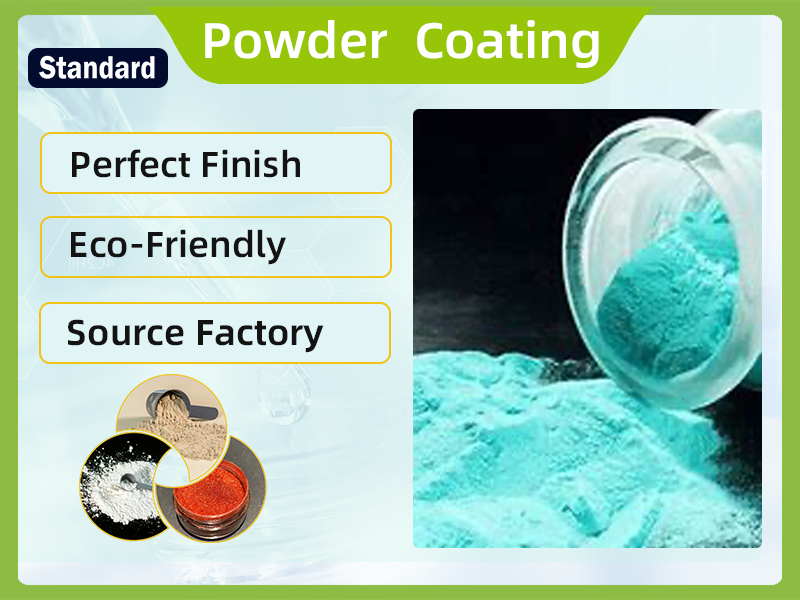 |
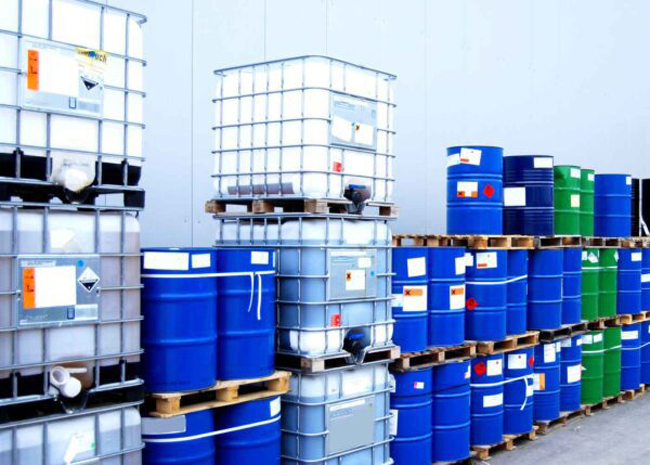
Polyurethane Powder Coatings | Feature: -Excellent exterior exposure durability -Good flowing -Excellent chemical resistance -Good transfer print ability -Better performance... |
 |
Butylated Melamine Resin | Introduction This category of products is mainly composed of n-butanol, isobutanol, and hydroxymethyl melamine, which react in different molar rat... |
 |
polyester poly (MT670 BAC) | Introduction Use: Binder for coating materials Relevant identified uses of the substance or mixture and uses advised against Type of prod... |
Похожие товары
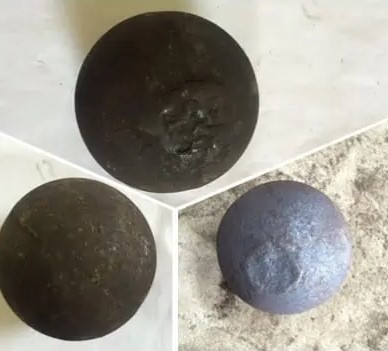 |
Casting Grinding Balls | Продавец: 869376 | Casting Grinding Balls , so called as Casting Grinding media balls,casting grinding steel ba... |
 |
Key Quality Factors in Food Contact Paper Production | Продавец: Zhejiang Guanghe New Materials Co., Ltd. | Guanghe supplies food-grade parchment paper for commercial bakeries, food processors, restaurants... |
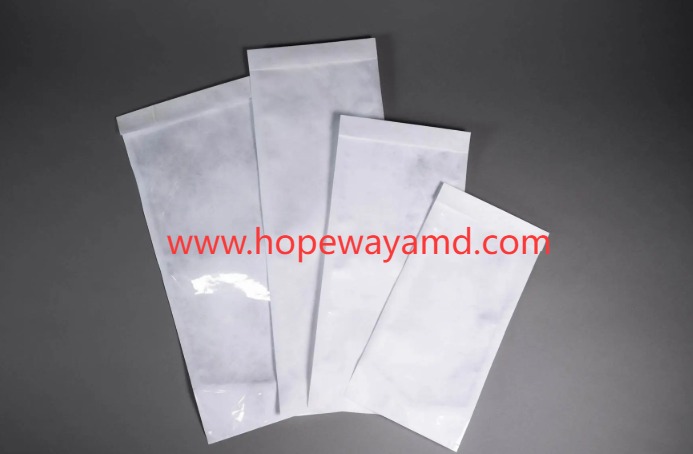 |
Heat Sealing Sterilization Pouch | Продавец: Hopeway AMD | Heat Sealing Sterilization Pouch is designed for secure medical instrument packaging, supporting ... |
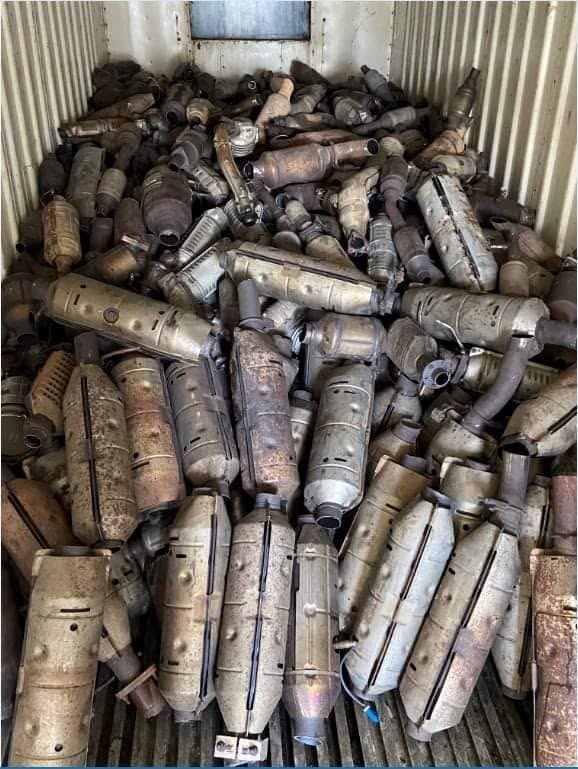 |
Catalytic Converter Scrap Supplier, Catalytic Converter Scrap for Sale, , Catalytic Converter Scrap, Catalytic Scrap for Sale, Catalytic Scrap Supplier, Scrap Catalytic Supplier | Продавец: Trucont LLC | В компании Trucont LLC мы постоянно предлагаем лом каталитических преобразователей для немедленно... |
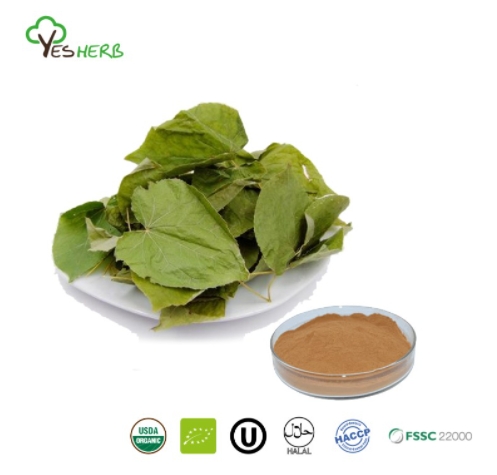 |
Epimedium Extract | Продавец: Fruit Powder,Vegetable Powder | Product Name: Epimedium ExtractLatin Name: Epimedium Sagittatum Maxim.Specification: Icariin 5%, ... |

