The biological activity of inositol

Biological Activities of Inositol
1. Regulate lipid metabolism and protect the liver
Inositol promotes fat transportation and decomposition, inhibits lipid deposition in hepatocytes, effectively prevents and improves fatty liver, and reduces abnormal blood lipid levels to maintain systemic lipid balance.
2. Improve insulin sensitivity and regulate glucose metabolism
It participates in intracellular glucose signal transduction, enhances cellular response to insulin, alleviates insulin resistance, and assists in stabilizing blood sugar levels and improving metabolic syndrome.
3. Maintain cell membrane structure and function
As a key component of phospholipids, inositol constitutes cell membranes and organelle membranes, ensuring membrane integrity, fluidity and normal material exchange, and protecting normal growth and proliferation of cells.
4. Mediate intracellular signal transduction
It forms inositol phosphate second messengers, regulates intracellular calcium ion release, activates related enzyme systems, and participates in multiple physiological processes such as cell differentiation, proliferation and stress response.
5. Regulate endocrine and reproductive health
It balances hormone levels, improves ovarian microenvironment, regularizes menstrual cycles and promotes ovulation. It also optimizes gamete quality and improves reproductive endocrine disorders such as PCOS.
6. Protect the nervous system and stabilize mental state
Inositol participates in nerve cell metabolism and neurotransmitter regulation, nourishes nerve tissues, relieves anxiety, mild depression and sleep disorders, and maintains normal neurological and emotional functions.
7. Antioxidant and anti-stress activity
It chelates harmful metal ions, reduces oxidative damage caused by free radicals, enhances the body’s antioxidant capacity, and alleviates chronic oxidative stress in the body.
8. Promote growth and development
It supplements essential vitamin-like nutrients, boosts the development of the nervous system and tissues, and is essential for the healthy growth of infants, adolescents and special nutritional groups.
9. Improve skin and scalp metabolism
It balances sebum secretion, accelerates skin cell renewal, relieves oily skin and follicular inflammation, and maintains skin barrier and scalp health.
Другие товары поставщика
|
|
L-Lysine monohydrochloride |
Basic Molecular and Structural Characteristics
Molecular weight: 182.65 g/mol (free L-lysine: 146.19 g/mol; the hydrochloride moiety increas... |
|
|
L-Threonine |
L-Threonine is an essential amino acid with specific physical properties that influence its behavior in biological systems and industrial applicati... |
|
|
L-proline |
L-proline, to ensure its stable quality and performance, certain conditions need to be met during storage. The following is a detailed introduction... |
|
|
Glycine |
Glycine is the smallest, simplest and most important natural amino acid. It is not only a fundamental substance for life but also an extremely vers... |
|
|
Chemical Properties of Inositol |
Chemical Properties of Inositol 1. Molecular structure and isomerism Inositol is a cyclic hexahydric alcohol with the molecular formula C6H12O6, co... |
Все товары поставщика
Похожие товары
|
|
Стимулирующий гель для взрослых. Сексуальные игрушки. Стимулирующий гель для женщин |
Продавец: AmorSerere |
"**Название продукта:** Смазка для усиления удовольствия. Сексуальные товары для взрослых. Смазка... |
|
|
Индивидуальные экологичные лубриканты на заказ, в цилиндрической упаковке, лубриканты из высококачественной крафт-бумаги, OEM |
Продавец: AmorSerere |
"**Название продукта:** Индивидуальная смазка на заказ, экологически чистая, в цилиндрической упа... |
|
|
Прямые поставки с завода. Органическая водяная смазка с удлиняющим эффектом. Усиливает удовольствие. Смазка для интимного использования. |
Продавец: AmorSerere |
"**Название продукта:** Прямые поставки с завода. Органическая водяная смазка с удлиняющим эффект... |
|
|
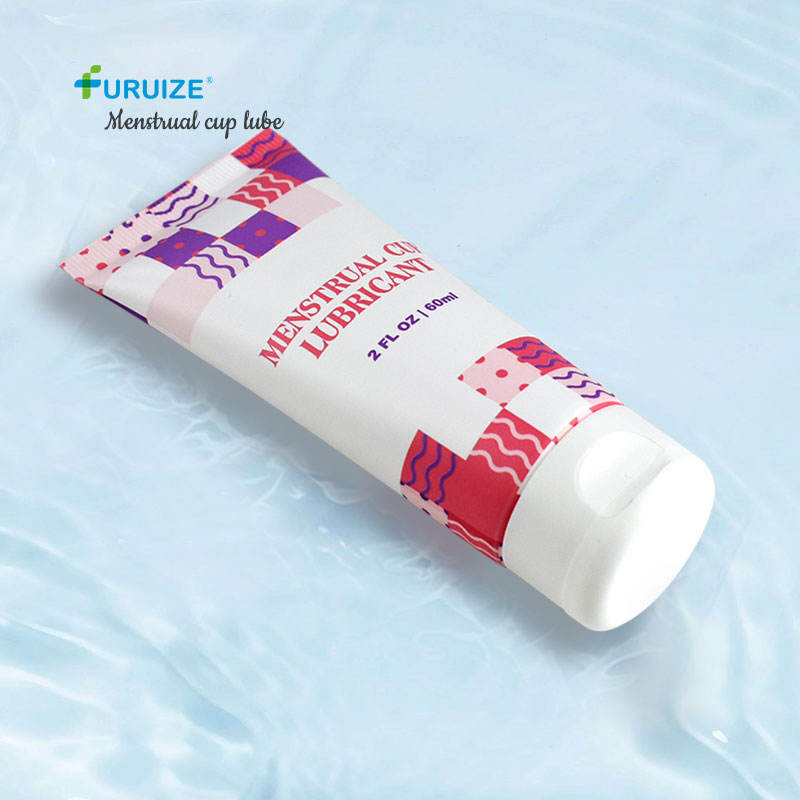
OEM 60ML Menstrual Cup and Menstrual Disc Lube Gel Personal Lubricant |
Продавец: AmorSerere |
"**Название продукта:** OEM 60 мл Смазочный гель для менструальной чашки/менструального диска. Ин... |
|
|
Смазка с фруктовым ароматом, 200 мл, интимная смазка, гель с ароматом |
Продавец: AmorSerere |
"**Название продукта:** Смазка с фруктовым ароматом, 200 мл, интимная смазка, ароматизированный г... |