L-proline
Metabolism and Safety of L-proline
Metabolic pathway: Mainly metabolized in the liver and kidneys, it is converted into glutamate hemialdehyde through proline dehydrogenase and further participates in amino acid metabolism or the energy cycle.
Safety: As an amino acid naturally occurring in the human body, it has high safety at normal doses. However, excessive intake may cause nausea, vomiting or metabolic burden, especially for those with impaired kidney function, caution is needed.
Limit standards: Food additives usually follow the safety dosage recommendations of the FDA or EFSA (for example, there is no definite upper limit for daily intake, but it needs to be combined with individual health conditions).
Другие товары поставщика
|
|
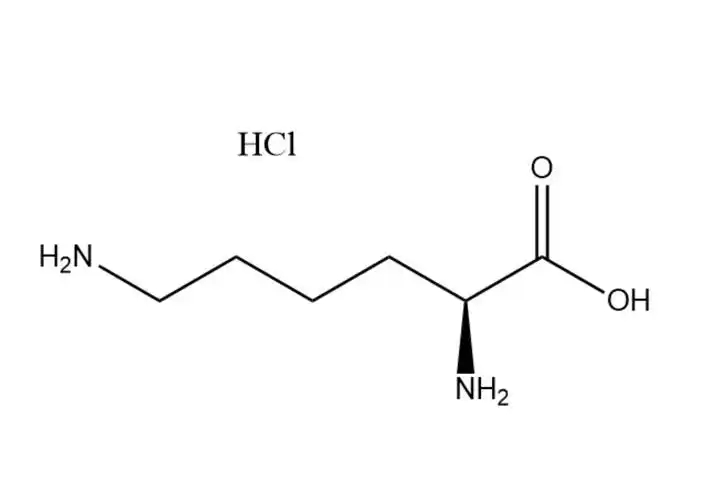
L-Lysine monohydrochloride |
Density and Refractive Index of L-Lysine monohydrochlorideBulk density: 0.6–0.8 g/cm³ (crystalline powder); tap density: 0.8–1.0 g... |
|
|
L-Glutamine |
L-Glutamine is a conditionally essential amino acid with important roles in the body. Here's a detailed introduction:
1. Chemical structure and na... |
|
|
L-proline |
The main properties of L-prolineSolubilityIt is readily soluble in water (about 162 g/L, 25°C), slightly soluble in ethanol, and insoluble in e... |
|
|
Glycine |
In the fields of daily chemicals and cosmetics, glycine, due to its excellent moisturizing properties, mildness and pH regulation capabilities, has... |
|
|
L-Lysine Monohydrochloride Price |
Reactions of Carboxyl and Amino Groups (Typical Amino Acid Reactions)
Neutralization reaction: Reacts with strong bases (e.g., NaOH, KOH) in a... |
Все товары поставщика
Похожие товары