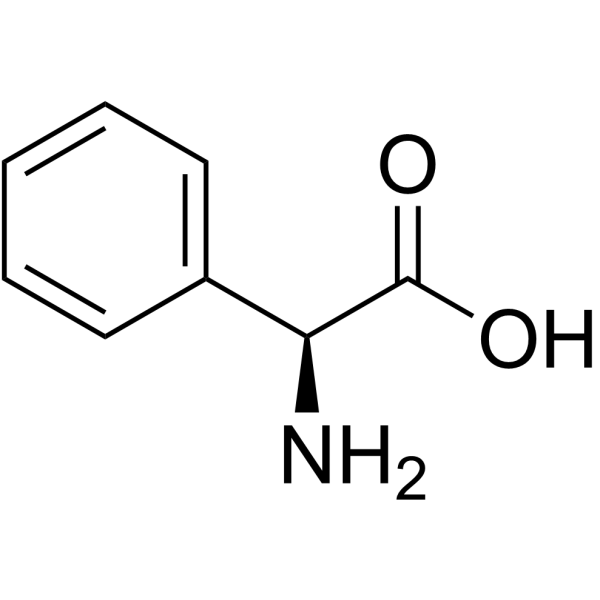
L-proline
Metabolism and Safety of L-proline
Metabolic pathway: Mainly metabolized in the liver and kidneys, it is converted into glutamate hemialdehyde through proline dehydrogenase and further participates in amino acid metabolism or the energy cycle.
Safety: As an amino acid naturally occurring in the human body, it has high safety at normal doses. However, excessive intake may cause nausea, vomiting or metabolic burden, especially for those with impaired kidney function, caution is needed.
Limit standards: Food additives usually follow the safety dosage recommendations of the FDA or EFSA (for example, there is no definite upper limit for daily intake, but it needs to be combined with individual health conditions).
Other supplier products
|
|
Glycine |
In the fields of industry and electroplating, glycine is an excellent complexing agent, buffer, and electroplating additive. In the electroplating ... |
|
|
L-Cysteine hydrochloride monohydrate |
L-Cysteine hydrochloride monohydrate is a chemically modified form of the amino acid L-cysteine, widely used in various industries for its unique p... |
|
|
The biological activity of inositol |
Biological Activities of Inositol 1. Regulate lipid metabolism and protect the liver Inositol promotes fat transportation and decomposition, inhibi... |
|
|
L-Methionine |
Core Biological Functions of L-Methionine Protein Synthesis Precursor: As an essential amino acid, L-Methionine is a fundamental building block for... |
|
|
L-Cysteine hydrochloride monohydrate |
L-Cysteine hydrochloride monohydrate offers distinct application advantages across various industries due to its unique chemical properties, such a... |
供应产品
Same products