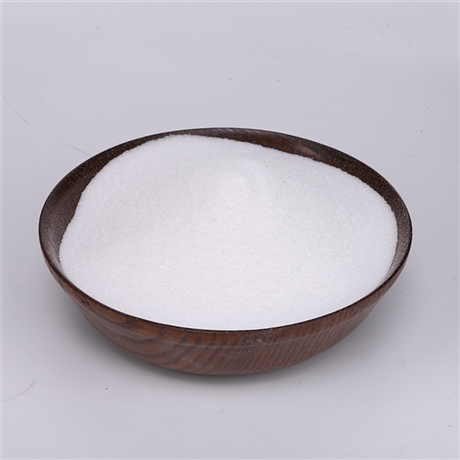
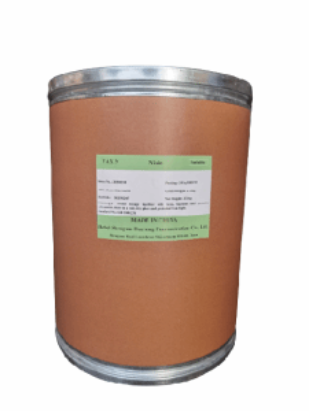
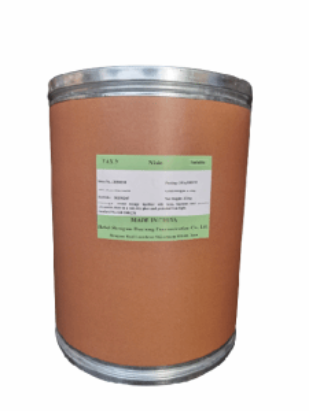
Nisin Powder
pH and Nisin Stability
Optimal Stability in Acidic Conditions (pH 3–5):
Nisin is a polypeptide antibiotic produced by Lactococcus lactis, and its structure is most stable in acidic environments. At pH 3–5, the molecule remains intact, preserving its antibacterial properties for longer periods. This stability is due to the reduced likelihood of peptide bond hydrolysis or denaturation under acidic conditions.
Decreased Stability in Alkaline Conditions (pH > 7):
As the pH increases above neutrality, nisin becomes increasingly susceptible to degradation. Alkaline environments promote the breakdown of its polypeptide chain, leading to a loss of activity. For example, at pH 8–9, nisin can lose up to 50% of its antibacterial efficacy within hours, making alkaline storage conditions highly unfavorable.
Другие товары поставщика
|
|
Nisin Raw Material |
Nisin’s antimicrobial activity is highly specific and effective against Gram-positive bacteria, with a mechanism that avoids the development ... |
|
|
ε-Polylysine hydrochloride |
ε-Polylysine hydrochloride is considered safe for consumption in small quantities. It is a natural substance that is easily broken down by ... |
|
|
Nisin 25kg |
Nisin is a naturally occurring lactic acid bacteriocin—a type of antimicrobial peptide produced by certain strains of Lactococcus lactis (a g... |
|
|
Nisin |
Due to nisin's antibacterial activity against drug-resistant gram-positive bacteria (e.g., methicillin-resistant Staphylococcus aureus, MRSA), nisi... |
|
|
Natamycin 7681-93-8 |
Natamycin and other food preservatives in the mechanism of action difference: Natamycin: By binding with ergosterol on the fungal cell membrane, th... |
Все товары поставщика
Похожие товары