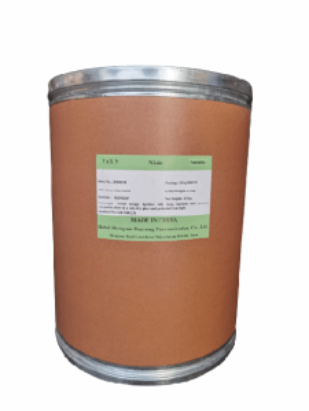
Nisin Powder Supplier
pH and Nisin Stability
Optimal Stability in Acidic Conditions (pH 3–5):
Nisin is a polypeptide antibiotic produced by Lactococcus lactis, and its structure is most stable in acidic environments. At pH 3–5, the molecule remains intact, preserving its antibacterial properties for longer periods. This stability is due to the reduced likelihood of peptide bond hydrolysis or denaturation under acidic conditions.
Decreased Stability in Alkaline Conditions (pH > 7):
As the pH increases above neutrality, nisin becomes increasingly susceptible to degradation. Alkaline environments promote the breakdown of its polypeptide chain, leading to a loss of activity. For example, at pH 8–9, nisin can lose up to 50% of its antibacterial efficacy within hours, making alkaline storage conditions highly unfavorable.
Other supplier products
|
|
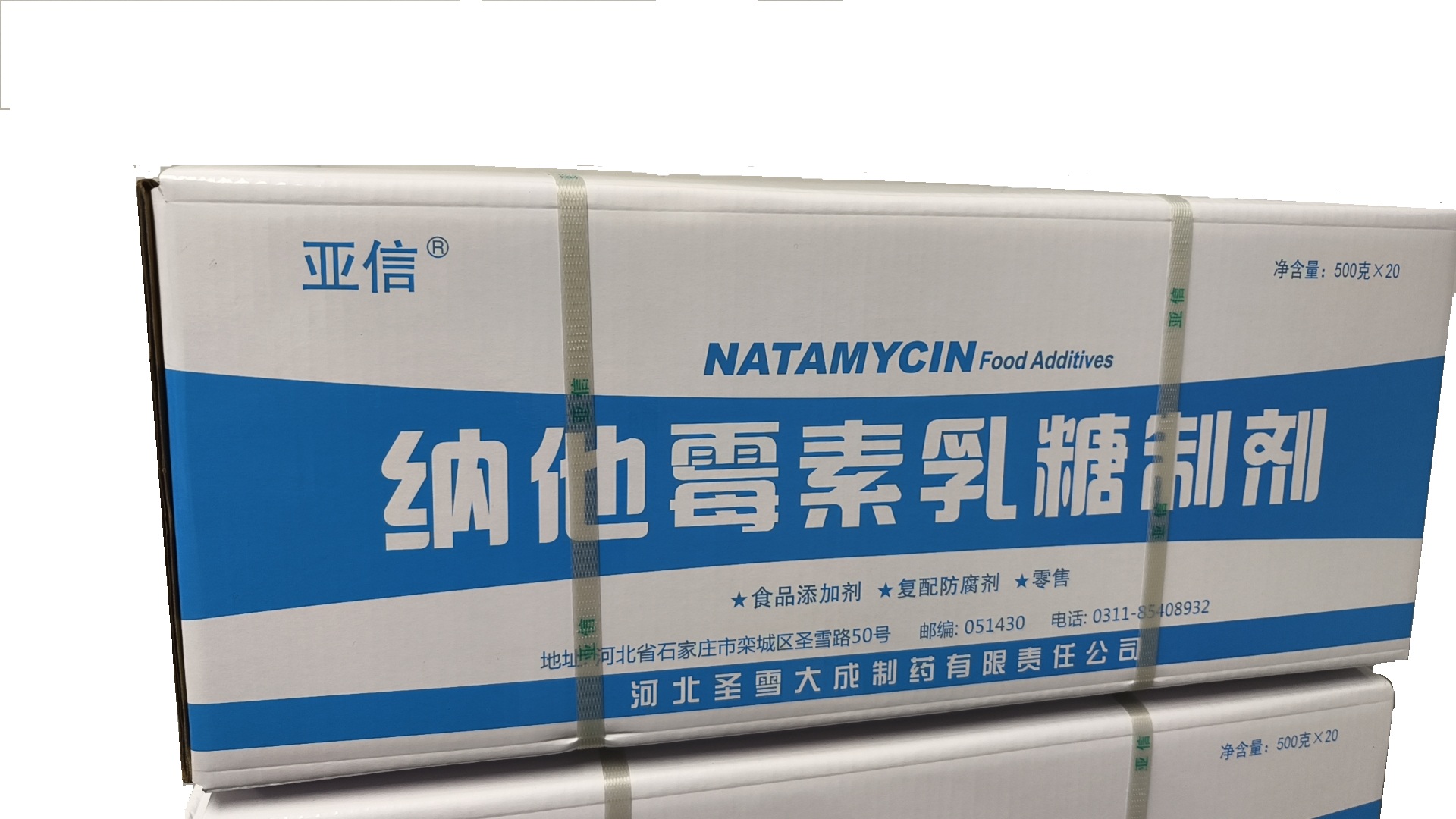
Natamycin Packed in boxes |
·Appearance: Natamycin is a near-white or cream-yellow crystalline powder, odorless and tasteless. ·Solubility: It is practically ins... |
|
|
Nisin 25KG Market quotation |
A core advantage of nisin is its outstanding safety profile, which is recognized globally by regulatory authorities (e.g., the U.S. FDA, EU EFSA) a... |
|
|
Precautions of nisin for Use |
To maximize efficacy and ensure safety, the following precautions must be observed when using Nisin in meat products:Precise Dosage Control: The re... |
|
|
High quality Nisin 25KG |
Agricultural Field: Crop and Livestock Protection Crop protection: Used as a biopesticide to inhibit gram-positive plant pathogens (e.g., Clavibact... |
|
|
Colistin Sulfate Soluble Powder 10% 500g |
Colistin Sulfate Soluble Powder is a type of antibiotic medication that is widely used in veterinary medicine to treat bacterial infections in live... |
All supplier products
Same products