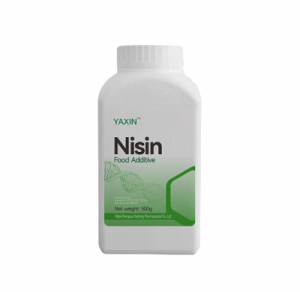
Nisin Powder
pH and Nisin Stability
Optimal Stability in Acidic Conditions (pH 3–5):
Nisin is a polypeptide antibiotic produced by Lactococcus lactis, and its structure is most stable in acidic environments. At pH 3–5, the molecule remains intact, preserving its antibacterial properties for longer periods. This stability is due to the reduced likelihood of peptide bond hydrolysis or denaturation under acidic conditions.
Decreased Stability in Alkaline Conditions (pH > 7):
As the pH increases above neutrality, nisin becomes increasingly susceptible to degradation. Alkaline environments promote the breakdown of its polypeptide chain, leading to a loss of activity. For example, at pH 8–9, nisin can lose up to 50% of its antibacterial efficacy within hours, making alkaline storage conditions highly unfavorable.
Other supplier products
|
|
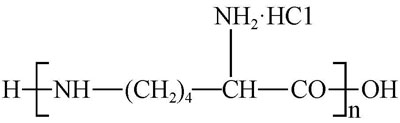
ε-Polylysine hydrochloride |
One of the key advantages of using ε-Polylysine hydrochloride as a preservative is that it is a natural substance that is easily broken dow... |
|
|
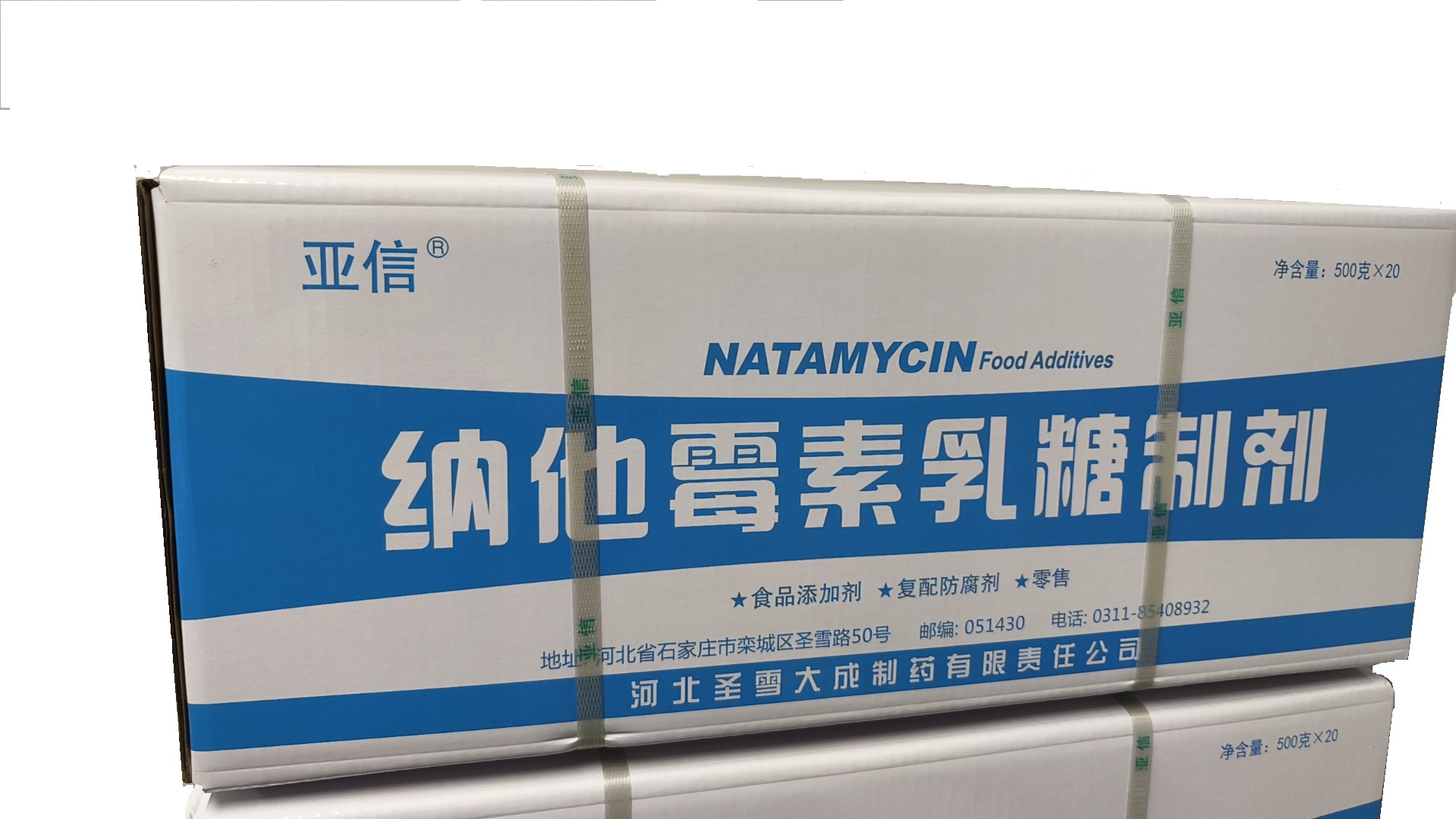
Natamycin Manufacturer |
Natamycin, as a food additive, has the advantages of wide antibacterial spectrum, high safety, strong stability, and no adverse effects on food fla... |
|
|
Nisin Powder Market quotation |
While nisin is most widely used in food, its advantages (e.g., targeted antibacterial activity, safety) make it a promising candidate in other fiel... |
|
|
Nisin Powder |
Nisin in Meat and Poultry Products Cooked Meats: Added to deli meats, sausages, and canned meats, nisin inhibits Listeria, Staphylococcus aureus, a... |
|
|
Nisin Powder |
Key Recommendations for pH - Related StorageDry Storage: Keep nisin powder in a dry, sealed container to prevent moisture - induced pH changes.Solu... |
供应产品
Same products