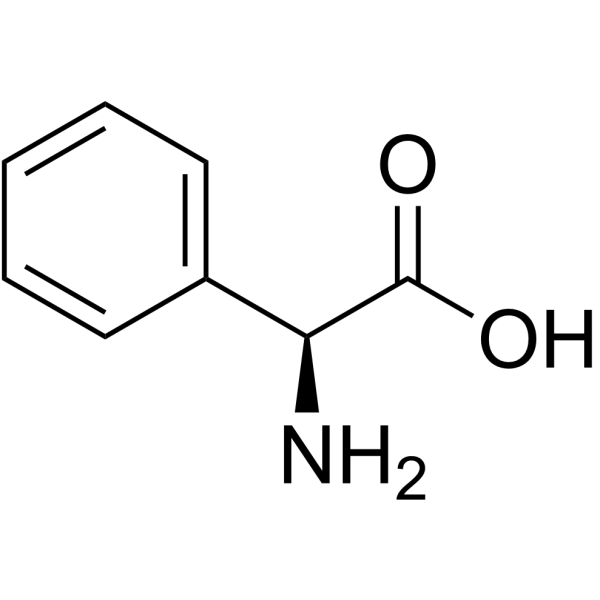
L-Threonine
While not a primary preservative, L-threonine can: Improve the stability of proteins and enzymes in processed foods, reducing degradation. Act as a precursor for antioxidant compounds (e.g., glutathione) in biological systems, though its direct antioxidant role in food is limited. Special Dietary and Functional Foods Dietary Supplements: Formulated as standalone supplements or in multi-amino acid blends for athletes, vegetarians, or individuals with dietary restrictions. Infant Formulas: Added to mimic the amino acid composition of human milk, ensuring proper infant nutrition. Low-Allergen Products: Used in hypoallergenic formulas or gluten-free foods to replace protein sources that may trigger allergies.
Другие товары поставщика
|
|
Precautions for the Use of Inositol |
Precautions for the Use of Inositol 1. Controlled dosage administration Follow the recommended daily dosage for oral use. Excessive long-term intak... |
|
|
Sucralose Partners, long-termCooperation |
Sucralose is currently a widely used high-potency sweetener globally. Its safety has been verified through decades of toxicological studies, animal... |
|
|
L-Tyrosine |
Potential Benefits ·Improves mental clarity and cognitive performance. ·Enhances stress resilience and energy levels. ·Support... |
|
|
L-leucine |
L-leucine has a wide range of applications in the fields of medicine, food, and cosmetics, among others. The details are as follows:1.Medical Field... |
|
|
L-proline |
During the transportation process of L-proline, its physical and chemical properties need to be comprehensively considered to ensure safe and effic... |
Все товары поставщика
Похожие товары