L-Threonine
While not a primary preservative, L-threonine can: Improve the stability of proteins and enzymes in processed foods, reducing degradation. Act as a precursor for antioxidant compounds (e.g., glutathione) in biological systems, though its direct antioxidant role in food is limited. Special Dietary and Functional Foods Dietary Supplements: Formulated as standalone supplements or in multi-amino acid blends for athletes, vegetarians, or individuals with dietary restrictions. Infant Formulas: Added to mimic the amino acid composition of human milk, ensuring proper infant nutrition. Low-Allergen Products: Used in hypoallergenic formulas or gluten-free foods to replace protein sources that may trigger allergies.
Other supplier products
|
|
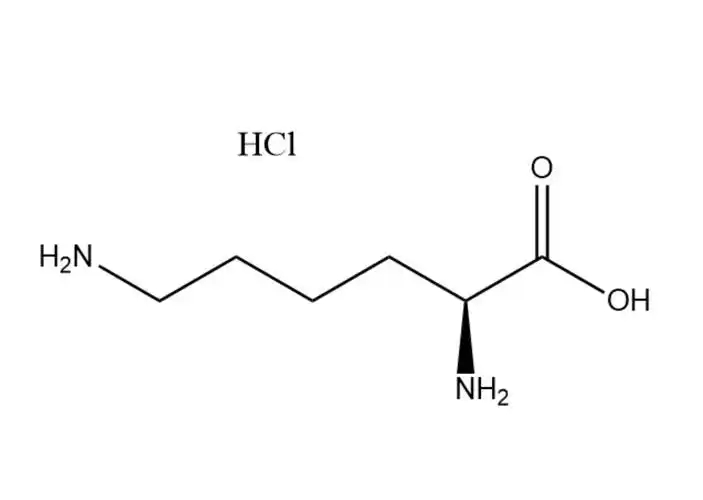
L-Lysine monohydrochloride |
Basic Molecular and Structural Characteristics
Molecular weight: 182.65 g/mol (free L-lysine: 146.19 g/mol; the hydrochloride moiety increas... |
|
|
L-proline |
Metabolism and Safety of L-prolineMetabolic pathway: Mainly metabolized in the liver and kidneys, it is converted into glutamate hemialdehyde throu... |
|
|
Inositol as an important nutritional fortifier in food |
Inositol is used as an important nutritional fortifier in food. As a natural vitamin‑like nutrient, it can supplement daily physiological nutrients... |
|
|
Glycine |
In the fields of industry and electroplating, glycine is an excellent complexing agent, buffer, and electroplating additive. In the electroplating ... |
|
|
L-proline |
The biological functions of L-prolineProtein structure maintenance: L-proline is one of the 20 common amino acids that make up proteins. Its cyclic... |
供应产品
Same products