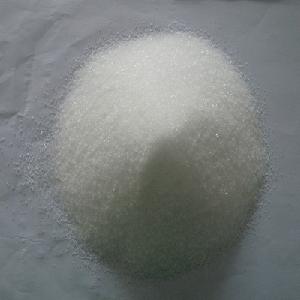
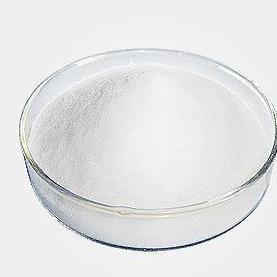
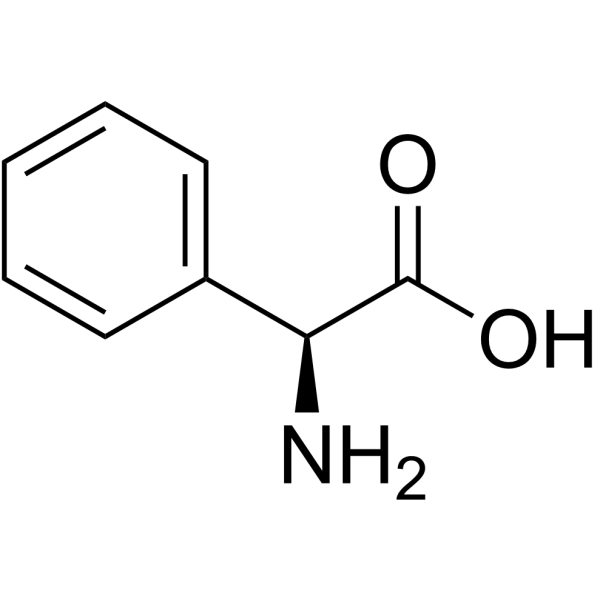
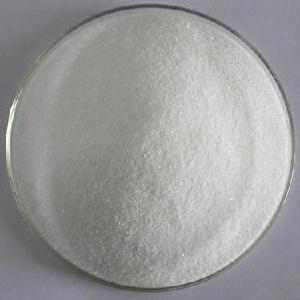
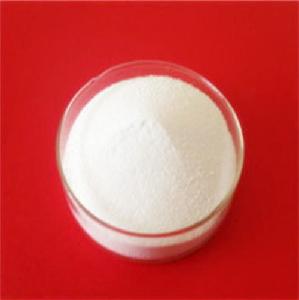
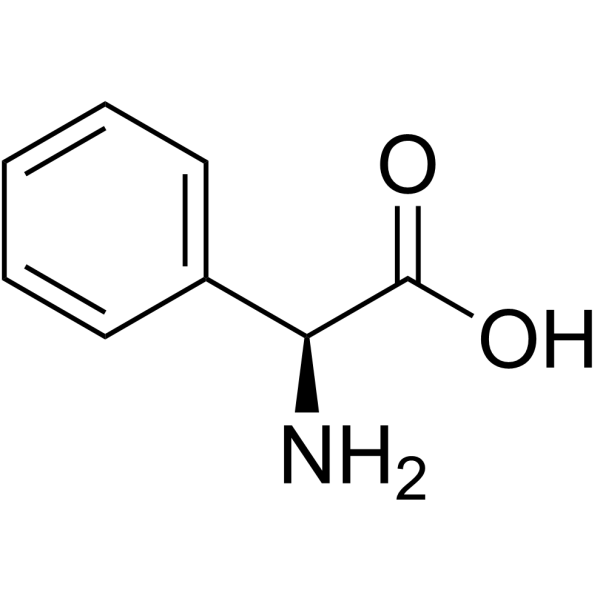
DL-Alanine Powder
Special Notes for Different Grades (Food-Grade vs. Industrial-Grade) Food-grade DL-Alanine: Strictly follow food safety storage standards (e.g., comply with FDA/EFSA guidelines for food additives). Ensure no cross-contamination with non-food substances, and use food-safe containers (e.g., BPA-free plastics, food-grade glass). Industrial-grade DL-Alanine: While purity requirements are lower than food-grade, storage conditions for temperature, humidity, and light remain the same to maintain its usability for industrial processes (e.g., polymer synthesis, feed additives). DL-Alanine can maintain its chemical stability, physical properties, and intended functionality for its entire shelf life, whether used in food, pharmaceuticals, or industrial applications.
Другие товары поставщика
|
|
Inositol 87-89-8 |
Inositol, also known as myo-inositol, is a six‑hydroxy cyclohexane derivative, traditionally classified as vitamin B8. It is a water‑soluble, vitam... |
|
|
L-proline |
The main properties of L-prolineSolubilityIt is readily soluble in water (about 162 g/L, 25°C), slightly soluble in ethanol, and insoluble in e... |
|
|
Glycine |
In the food and beverage industry, glycine is a legal and safe food additive, mainly used as a flavoring agent, flavor enhancer, buffer, and preser... |
|
|
Manufacturer |
Metabolism and Safety of L-Methionine L-Methionine is absorbed in the small intestine via amino acid transporters and metabolized primarily in the ... |
|
|
L-proline |
Storage and transportation of L-prolineStorage conditions: Store in a sealed container in a cool and dry place, away from moisture, high temperatur... |
Все товары поставщика
Похожие товары