Manufacturer

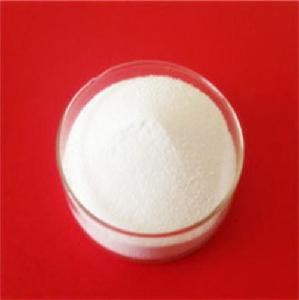
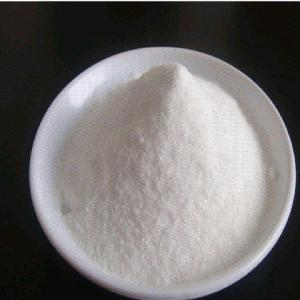
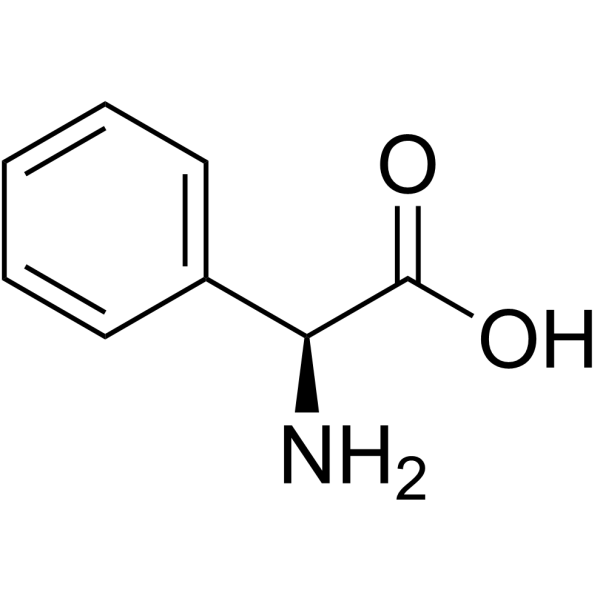
Metabolism and Safety of L-Methionine L-Methionine is absorbed in the small intestine via amino acid transporters and metabolized primarily in the liver. Its metabolic pathways include protein synthesis, transsulfuration (to cysteine and GSH), and remethylation (recycling to methionine). Excess methionine is catabolized to carbon dioxide, sulfuric acid, and urea, which are excreted from the body, with no significant accumulation under normal intake levels. In terms of safety, L-Methionine has a high margin of safety. The FAO/WHO recommends a daily intake of 13 mg/kg body weight for adults, and no adverse effects have been reported at doses within this range. However, excessive supplementation (exceeding 1000 mg/day for long periods) may lead to hyperhomocysteinemia, which is associated with increased cardiovascular risk, or gastrointestinal discomfort (e.g., nausea, diarrhea). Individuals with liver or kidney disorders should use it under medical supervision, as impaired organ function may affect methionine metabolism.
Другие товары поставщика
|
|
Sucralose Purchase price |
Sucralose, as a high-sweetness, calorie-free, and highly stable artificial sweetener, enjoys wide application in various fields such as food, bever... |
|
|
L-proline |
Storage and transportation of L-prolineStorage conditions: Store in a sealed container in a cool and dry place, away from moisture, high temperatur... |
|
|
High quality |
Beyond natural occurrence, L-tryptophan is sometimes added to fortified foods and functional products to enhance nutritional value or provide speci... |
|
|
Xanthan Gum |
1. Introduction Xanthan gum, also known as yellow gum, Hansheng gum, xanthomonas polysaccharide, is a kind of monosporous polysaccharide produced b... |
|
|
Glycine |
The main physiological functions of Glycine1. Synthesis of proteinsGlycine is one of the basic units that constitute the majority of proteins and i... |
Все товары поставщика
Похожие товары
|
|
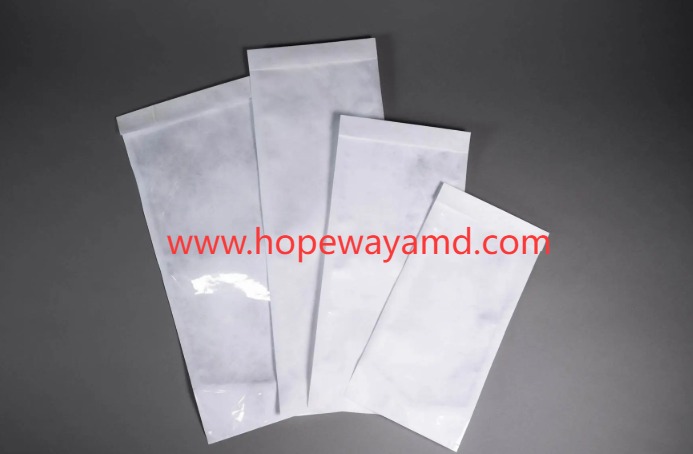
Heat Sealing Sterilization Pouch |
Продавец: Hopeway AMD |
Heat Sealing Sterilization Pouch is designed for secure medical instrument packaging, supporting ... |
|
|
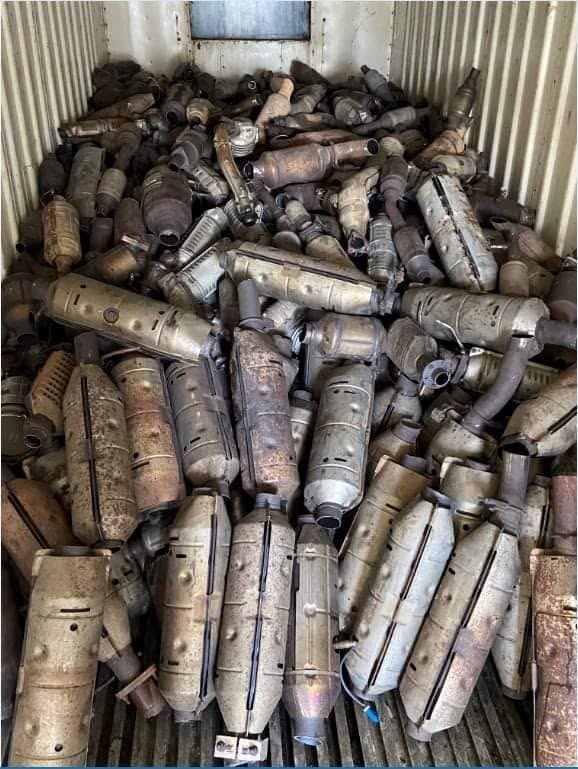
Catalytic Converter Scrap Supplier, Catalytic Converter Scrap for Sale, , Catalytic Converter Scrap, Catalytic Scrap for Sale, Catalytic Scrap Supplier, Scrap Catalytic Supplier |
Продавец: Trucont LLC |
В компании Trucont LLC мы постоянно предлагаем лом каталитических преобразователей для немедленно... |
|
|
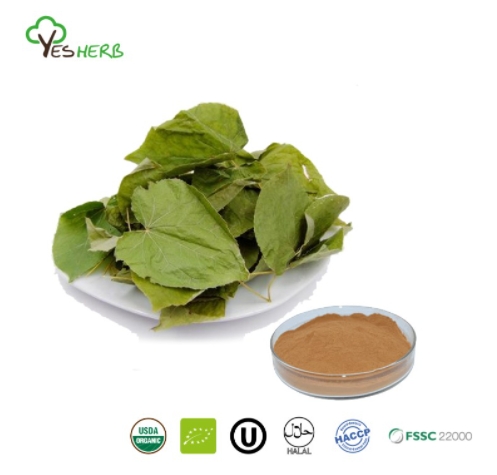
Epimedium Extract |
Продавец: Fruit Powder,Vegetable Powder |
Product Name: Epimedium ExtractLatin Name: Epimedium Sagittatum Maxim.Specification: Icariin 5%, ... |
|
|
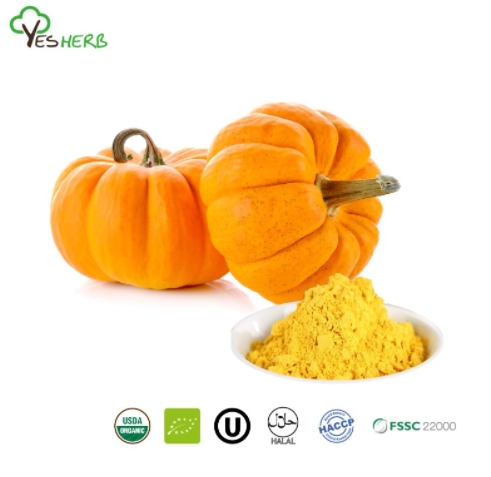
Pumpkin Powder |
Продавец: Fruit Powder,Vegetable Powder |
Product Name: Pumpkin PowderLatin Name: Cucurbita pepo L.Used Part: FruitAppearance: yellow fine ... |
|
|
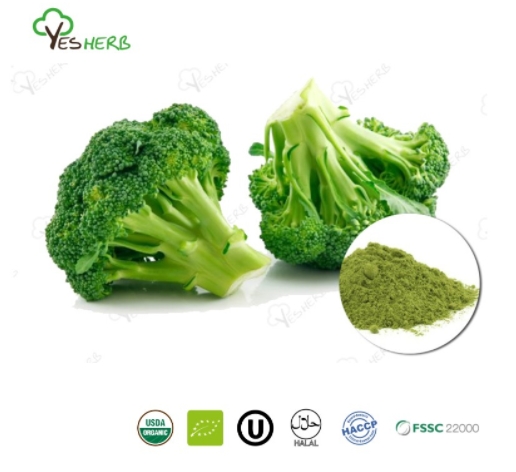
Broccoli Powder |
Продавец: Fruit Powder,Vegetable Powder |
Product Name: Broccoli powder
Latin Name: Brassica oleracea L.var.italic Planch.
Used Part: Who... |